
Moodbidri: Alvas Group organises 22nd grand iftar koota

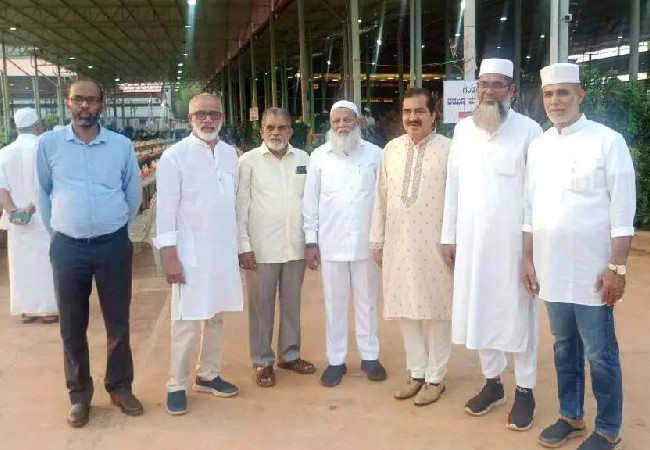
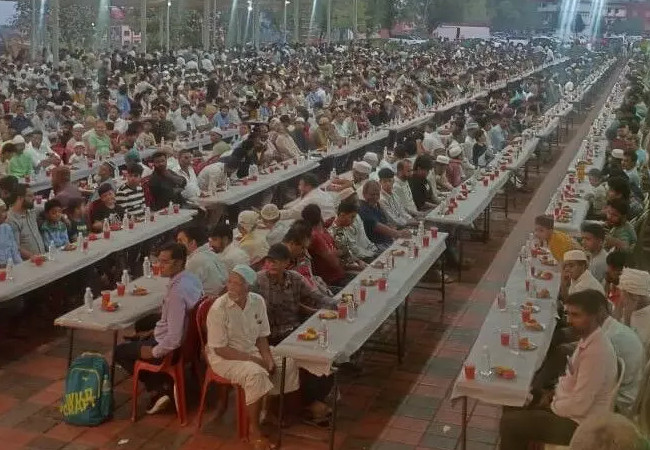
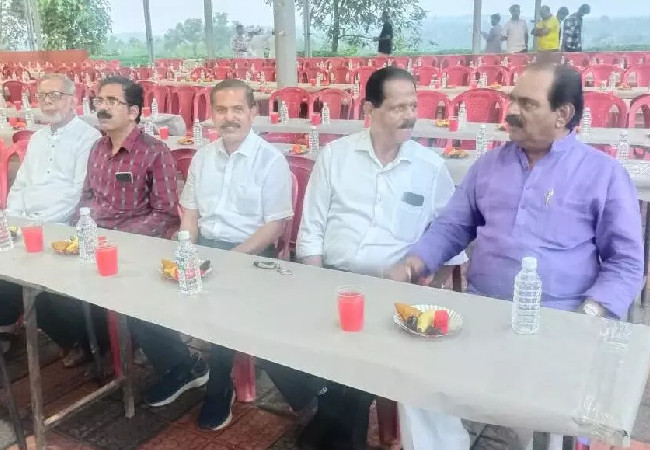
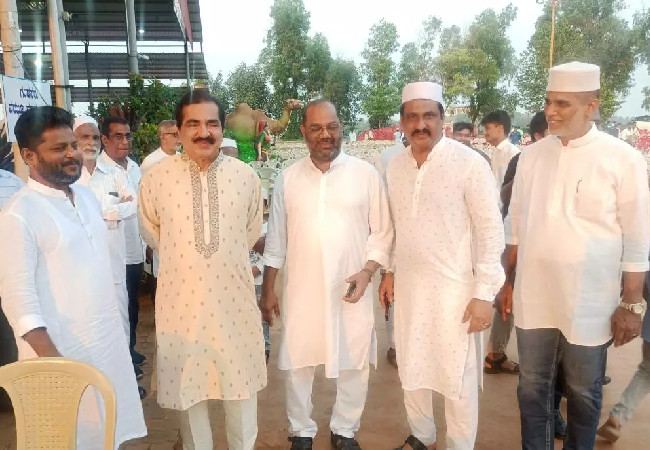
Moodbidri: The 22nd annual grand ‘Alvas Iftar Koota 2025’ hosted by the Alva's Education Foundation here was held at the Krishi Siri Vedike on Saturday, March 15.
Speaking on the occasion, Jamaat-e-Islami Hind State Secretary and Shanti Prakashan Manager Mohammad Kunhi emphasized the importance of spreading love over hatred in today's world. He praised the Alva’s Education Foundation, under the leadership of Dr. Mohan Alva, for organizing the event and fostering a spirit of inclusivity.
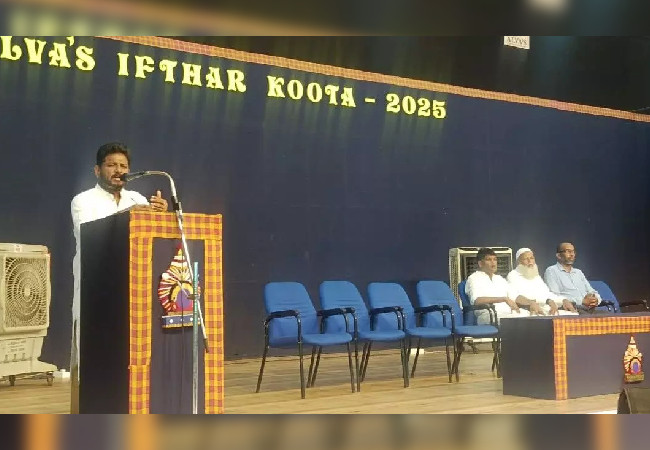
“It is impossible to overcome evil with evil. It should be overcome with a message of goodness and love. This Iftar gathering is a symbol of unity that delivers a powerful message to society," he added.
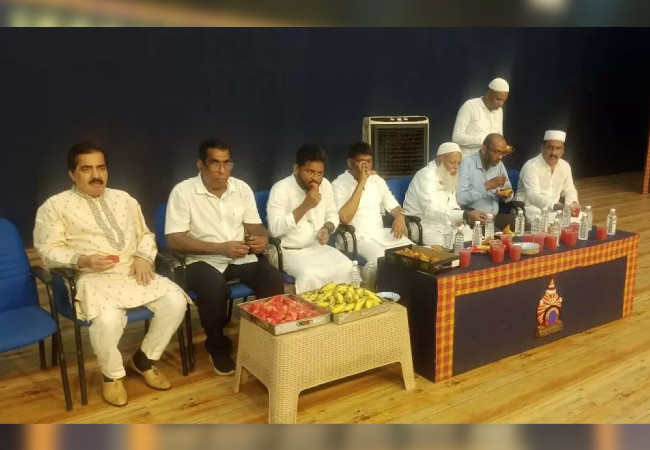
He also highlighted the importance of Ramadan stating that, “Ramadan is a worship that cleanses the mind of man. It is a worship that invites man from evil to good and leads him with good and curbs evil.”
Stressing the need for more such events, he added, "The pollution of the world is a result of the pollution of the human mind, and programs like these play a vital role in fostering friendship and understanding."
Dr. Abdul Qadeer, Chairman of Shaheen Educational Institutions, Bidar, graced the event as the chief guest and extended his wishes.
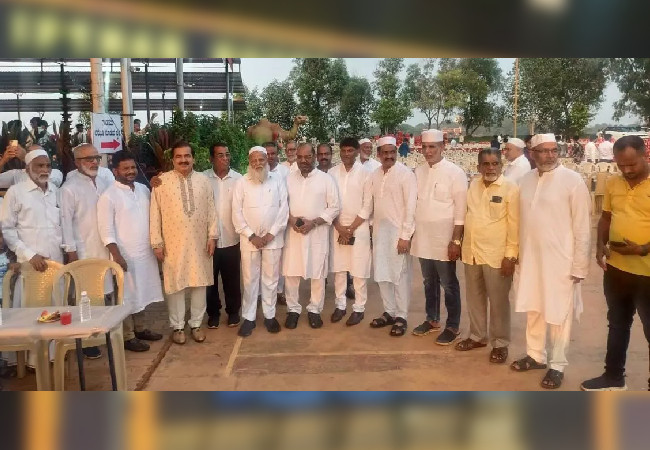
Dr. Mohan Alva, Bharat Mustafa, Vivek Alva, and others were present during the ceremony.
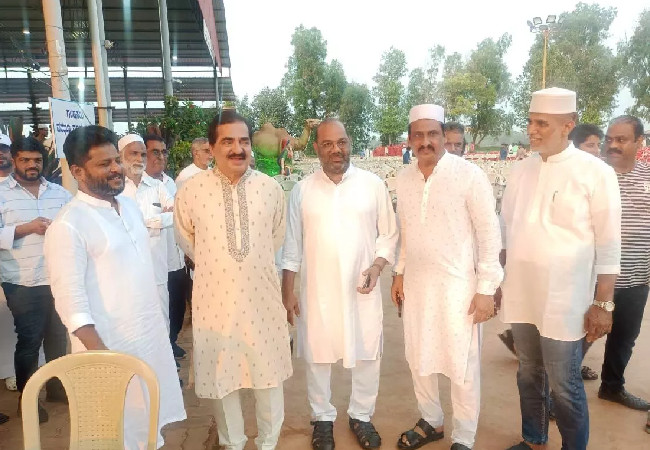
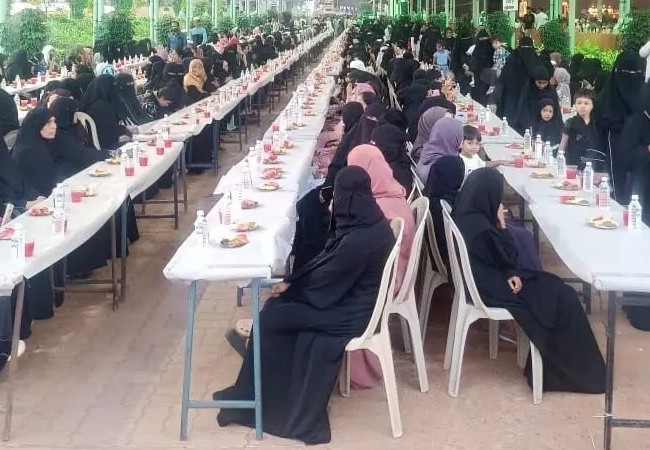
The program was compered by Abul Ala Puttige, and arrangements for Namaz were made after Iftar. The Iftar feast included fruits, samosas, sharbat, mutton biryani, chicken masala, chicken kebabs, and salads. Additionally, a separate space was arranged for women attendees.
Let the Truth be known. If you read VB and like VB, please be a VB Supporter and Help us deliver the Truth to one and all.
NEET student hangs self in Rajasthan's Sikar

Jaipur (PTI): A student preparing for the NEET examination allegedly committed suicide by hanging himself in a rented room in Rajasthan's Sikar on Friday, police said.
According to the police, the student allegedly hanged himself from a ceiling fan using his sister's scarf while one sister was attending coaching classes and the other was in the bathroom.
He had appeared in the NEET UG exam 2026, which was cancelled due to paper leak, they said.
Udyog Nagar SHO Rajesh Kumar said that the deceased, identified as Pradeep Meghwal, was a resident of Kanika ki Dhani village in Jhunjhunu's Gudha Gaudji area.
He had been living in a rented room in Sikar's Jaldhari Nagar area with his two sisters while preparing for NEET over the last three years.
His elder sister later found him hanging and informed the landlord and police after bringing him down, officials said.
The SHO said the body was kept at SK Hospital mortuary, and a postmortem had not been conducted.
The student's father, Rajesh Kumar Meghwal, told police that Pradeep's NEET examination had gone well and the family was expecting him to score around 650 marks.
Former Rajasthan deputy chief minister Sachin Pilot expressed grief over the incident and linked it to anxiety among students after reports of irregularities and paper leaks in NEET 2026.
Pilot said repeated paper leak incidents and cancellation of examinations were affecting students' mental health and demanded a time-bound investigation and strict action against those responsible.


