
When you speak uncomfortable truths, you pay with blood: Dr. Meena Kandasamy in Mangaluru
Fifth PP Gomathi Memorial Lecture held

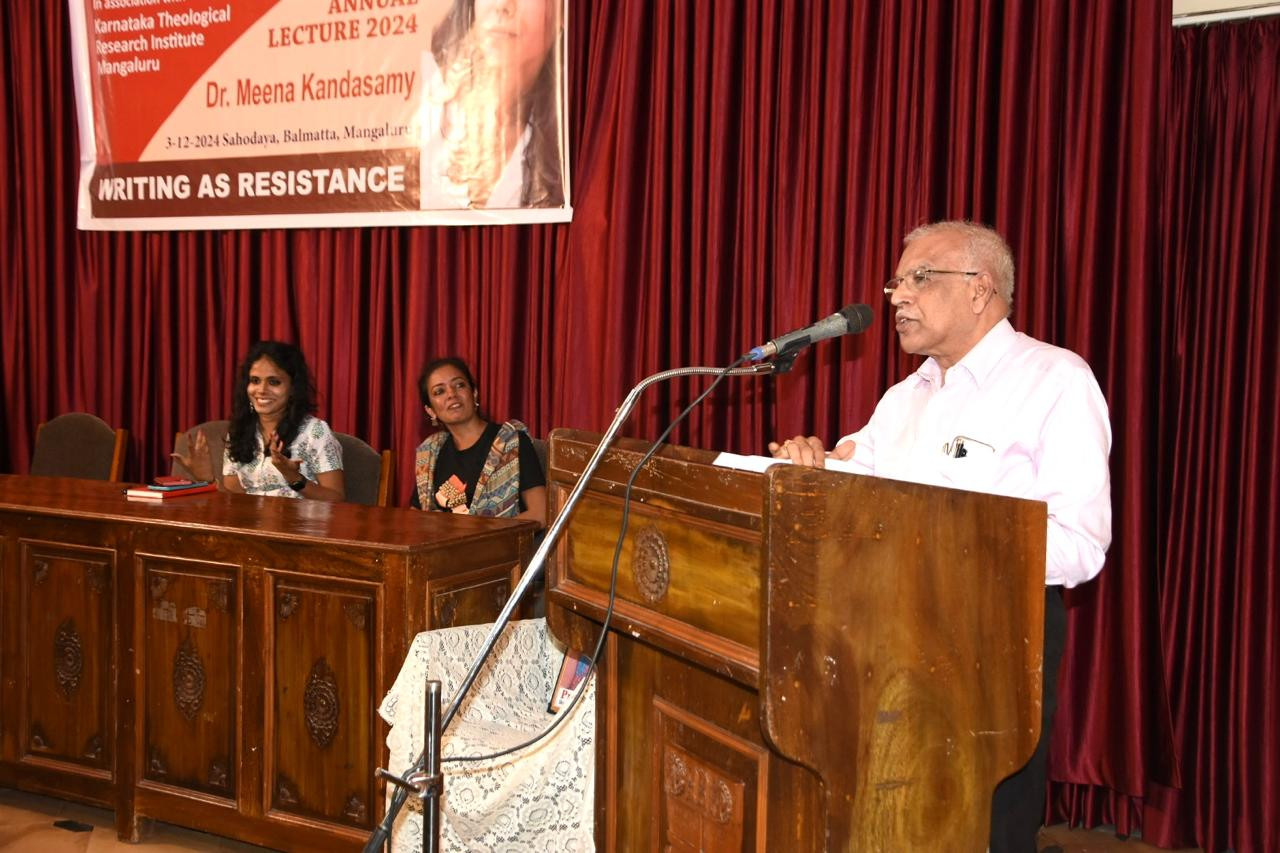
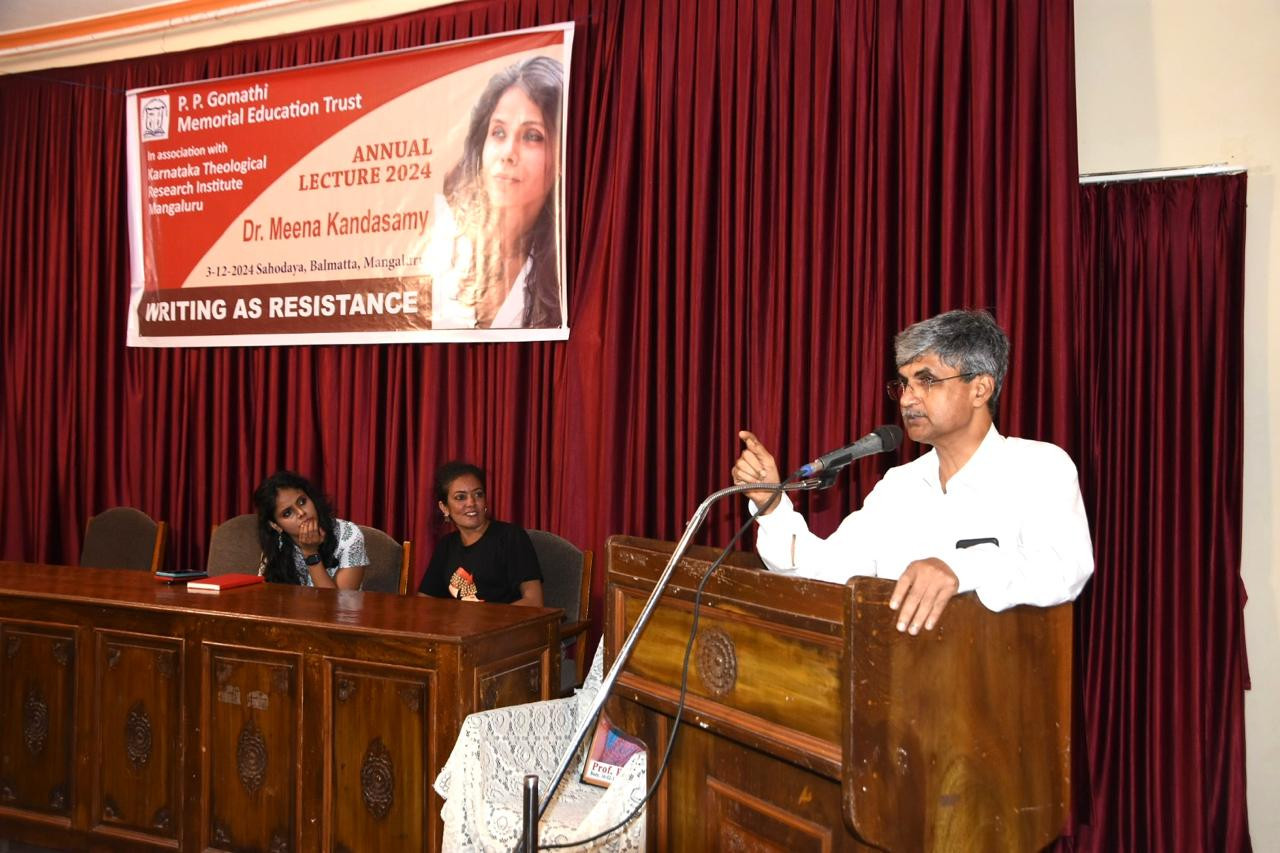
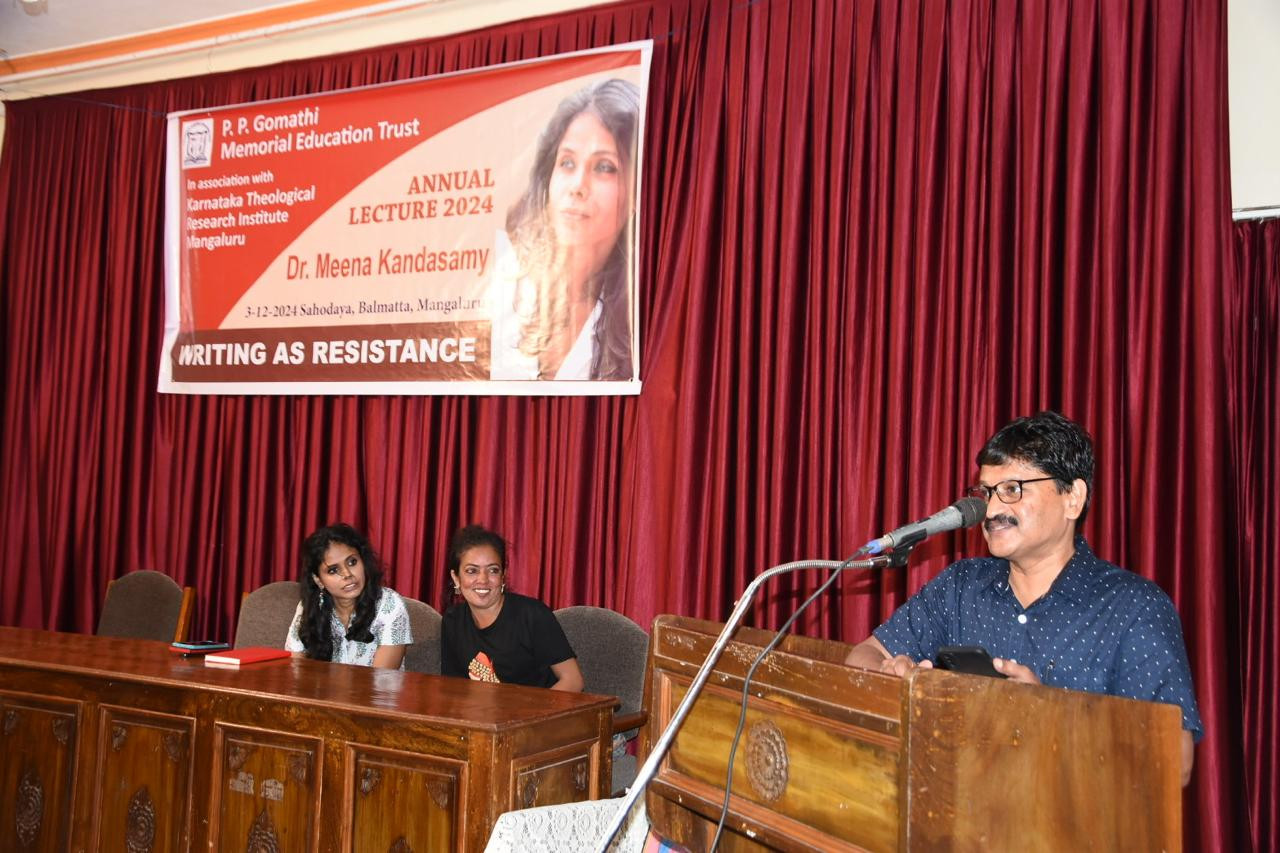
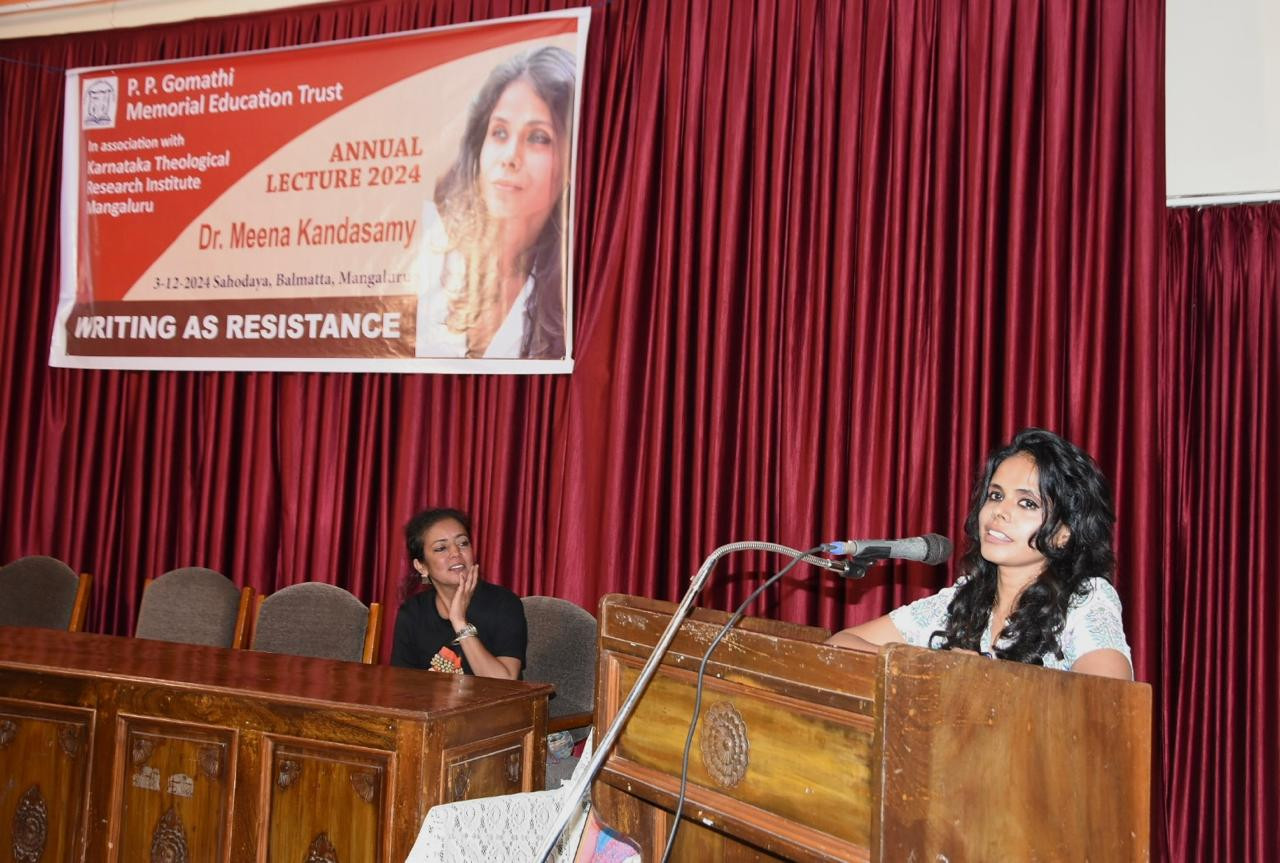
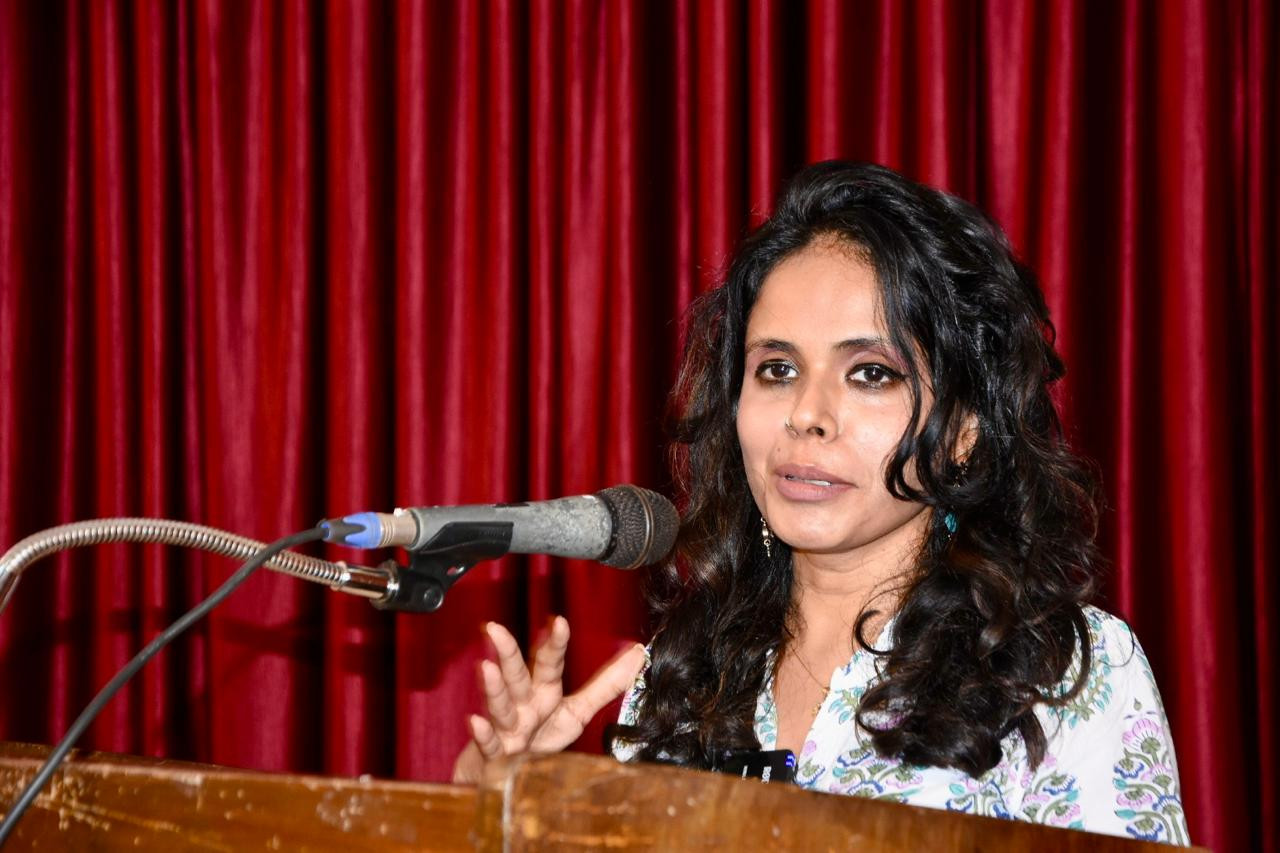
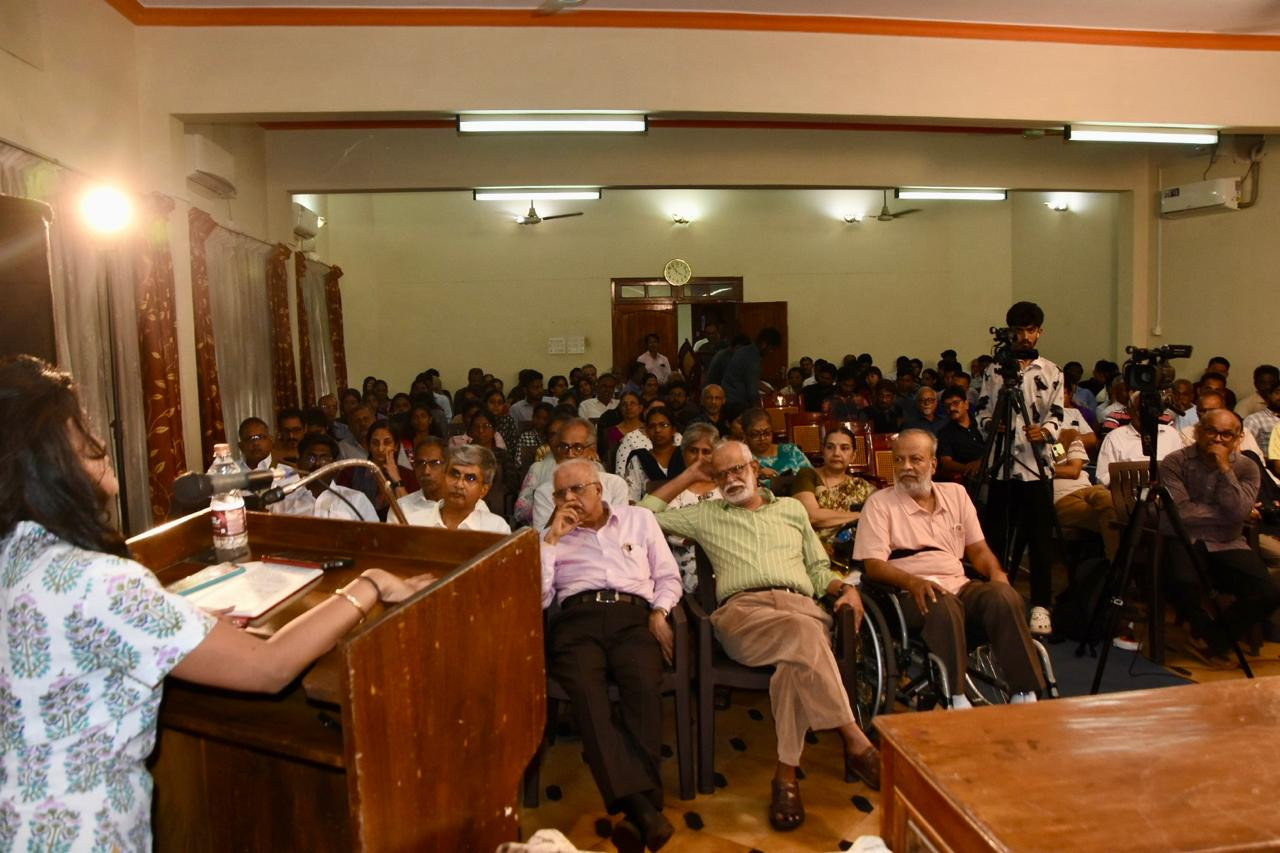
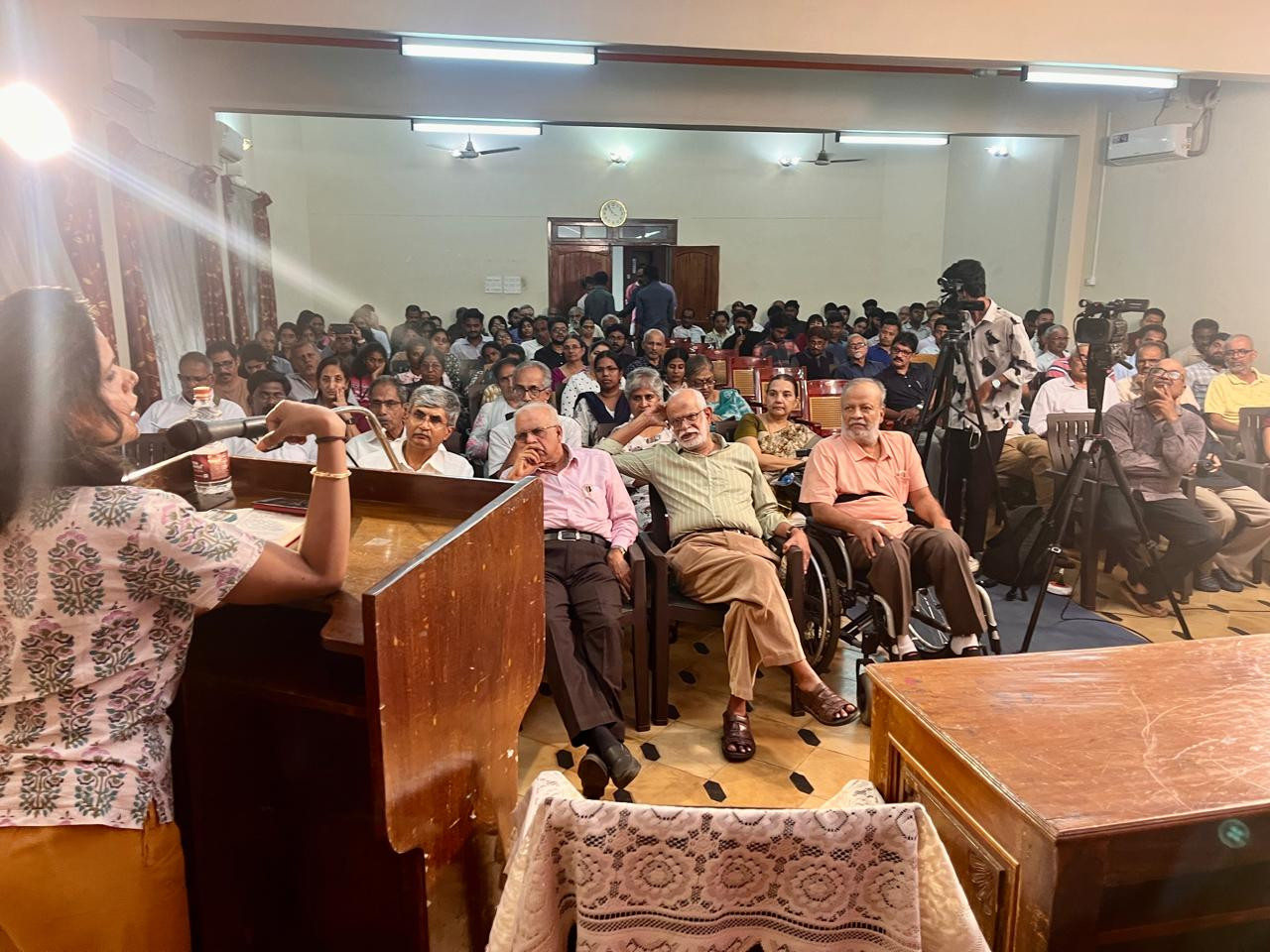
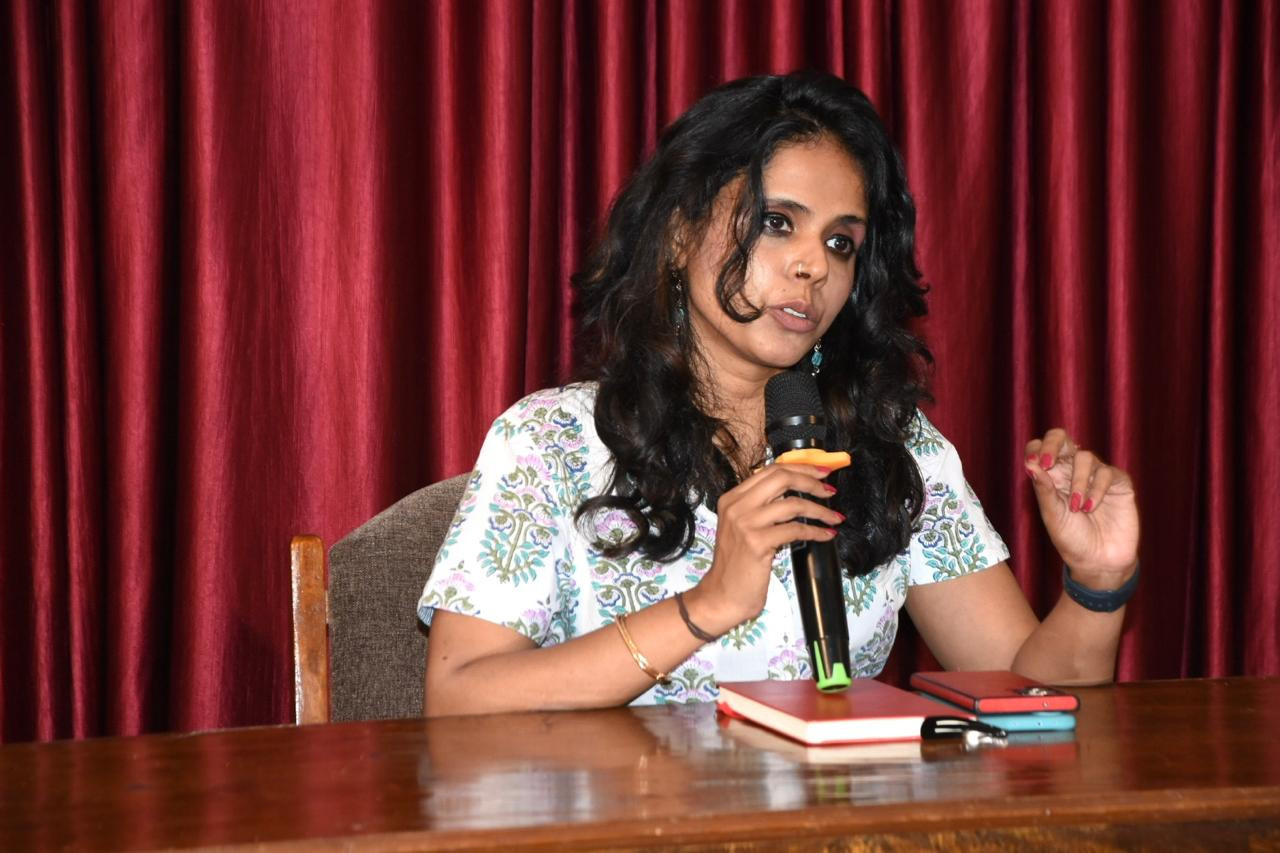
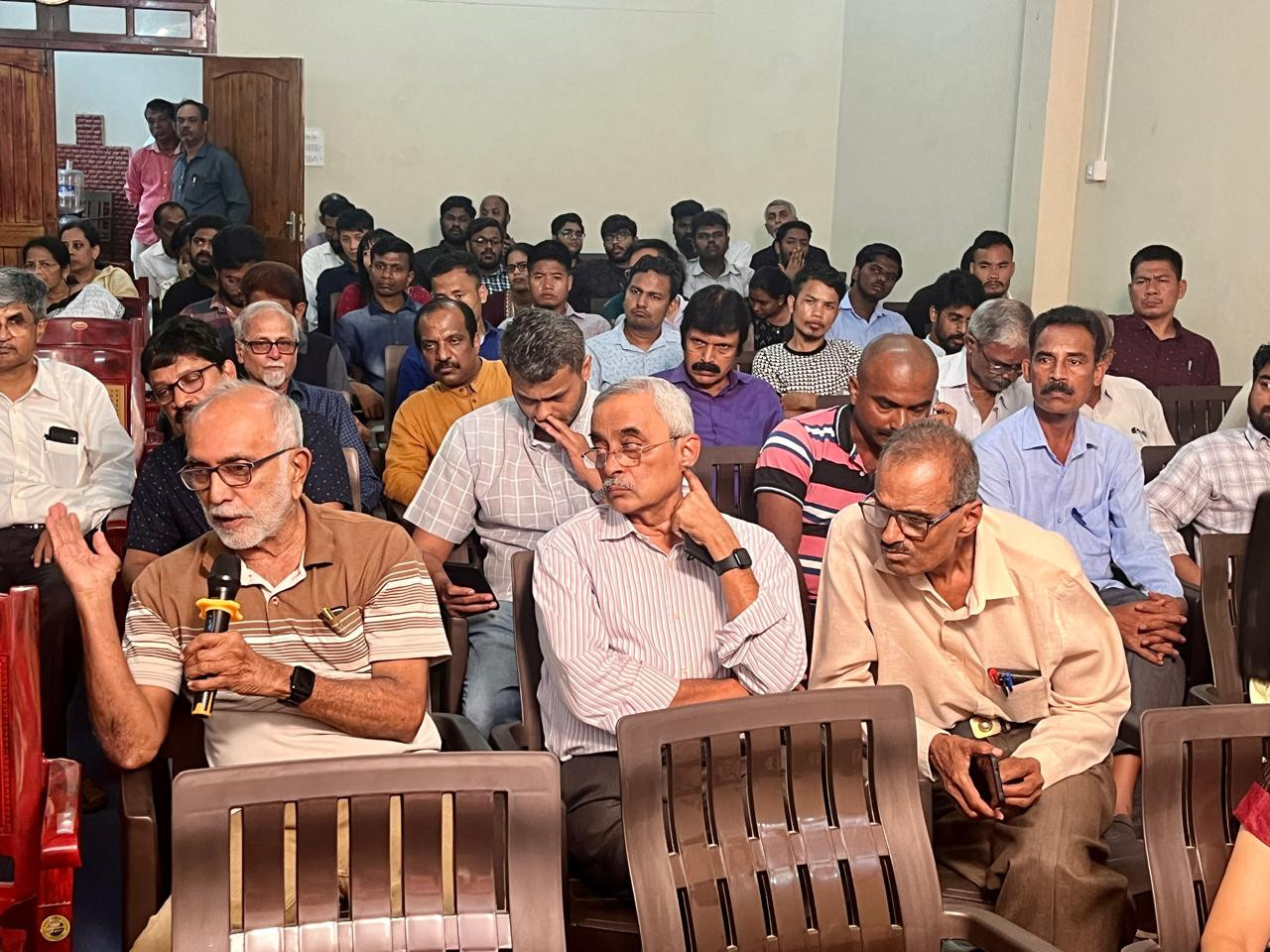
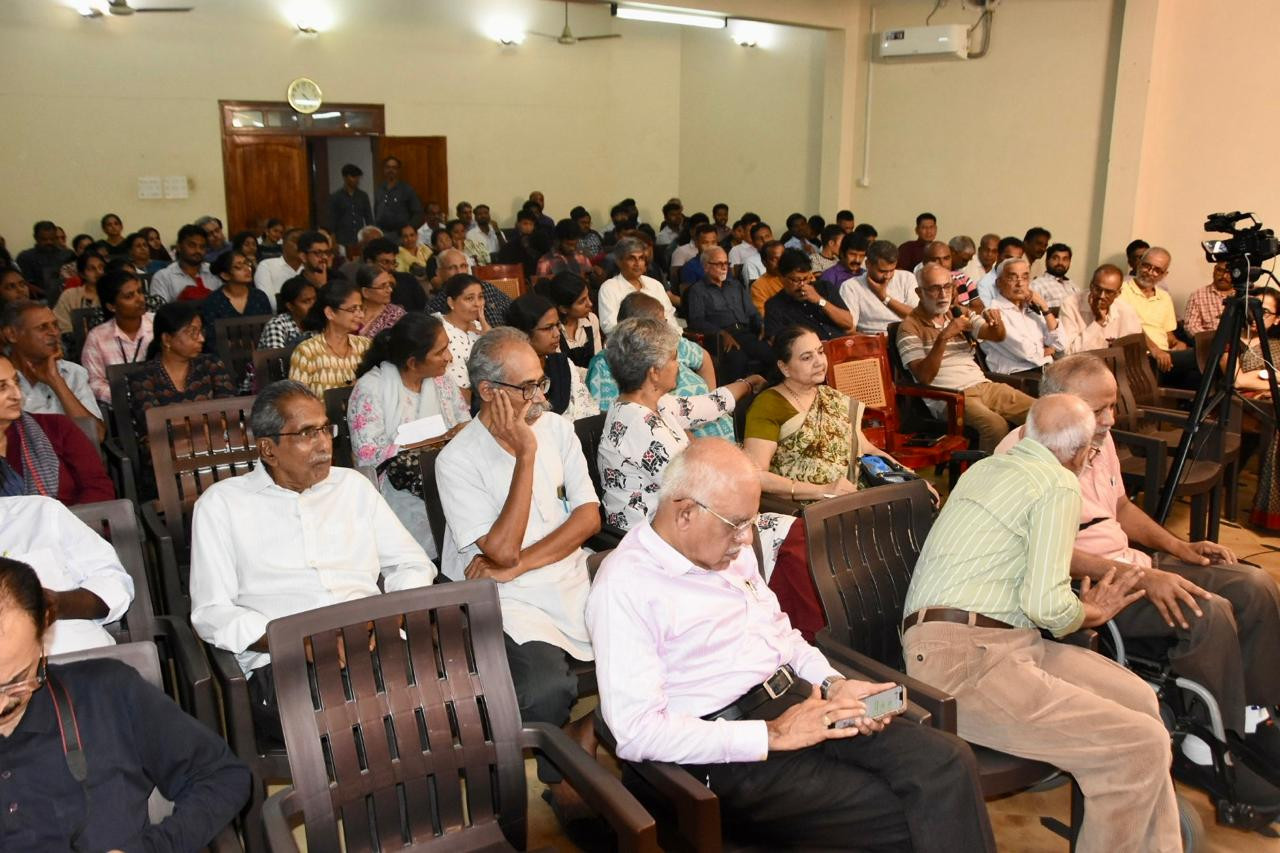
Mangaluru: Dr. Meena Kandasamy, a noted writer, poet, and anti-caste activist, delivered an incisive fifth PP Gomathi memorial lecture on ‘Writing for Resistance’ at Sahodaya, Mangaluru, on Tuesday. The event was organized by the PP Gomathi Memorial Education Trust in collaboration with the Karnataka Theological Research Institute. Addressing the audience, Dr. Kandasamy delved into the perilous intersection of writing, resistance, and censorship in contemporary India, drawing attention to the struggles faced by writers who dare to speak uncomfortable truths.
Dr. Kandasamy opened her speech by expressing gratitude to the organizers and acknowledging the sacrifices of late writers M.M. Kalburgi and Gauri Lankesh, both of whom were assassinated for their fearless expressions of dissent. “When you speak uncomfortable truths, you pay with blood,” she remarked, emphasizing the deadly consequences writers in India face for their boldness.
She lamented the current environment where dissent is stifled, and critical voices are labeled as threats to the nation. “Why is it that writers are either killed or imprisoned?” she asked, highlighting how the state equates the pens of activists and writers to the guns of insurgents by branding them as “Urban Naxals.” She warned that such comparisons legitimize the state’s persecution of dissenting voices.
Dr. Kandasamy further criticized the misuse of state machinery, such as the Enforcement Directorate (ED) and the Central Bureau of Investigation (CBI), to silence political figures and activists. She said these agencies, originally intended to uphold justice, have become tools of suppression, adding that writers increasingly find themselves victims of censorship.
Reflecting on the vital role of storytelling, she noted the heavy burden placed on individuals who protest against injustice. “When people are already burdened by protesting, why do we want to burden them further with the responsibility of telling their stories? That is where writers play a crucial role,” she said. According to her, storytelling is not just an act of resistance but a necessary means to expose injustices and amplify voices that often go unheard.
In a poignant observation, Dr. Kandasamy stated, “In this country, even reading is resistance, not just writing,” urging the audience to critically engage with literature in a time of widespread repression.
She cited the example of Mohammed Zubair, a journalist and fact-checker who has faced multiple legal challenges for exposing hate speech. She pointed out how he is being accused of compromising India’s sovereignty, unity, and integrity, epitomizing the growing trend of portraying truth-tellers as enemies of the state.
The lecture concluded with a call for resilience among writers and readers alike. Dr. Kandasamy expressed hope that those who speak the truth, expose injustices, and offer solace to the oppressed would be recognized as the true patriots.
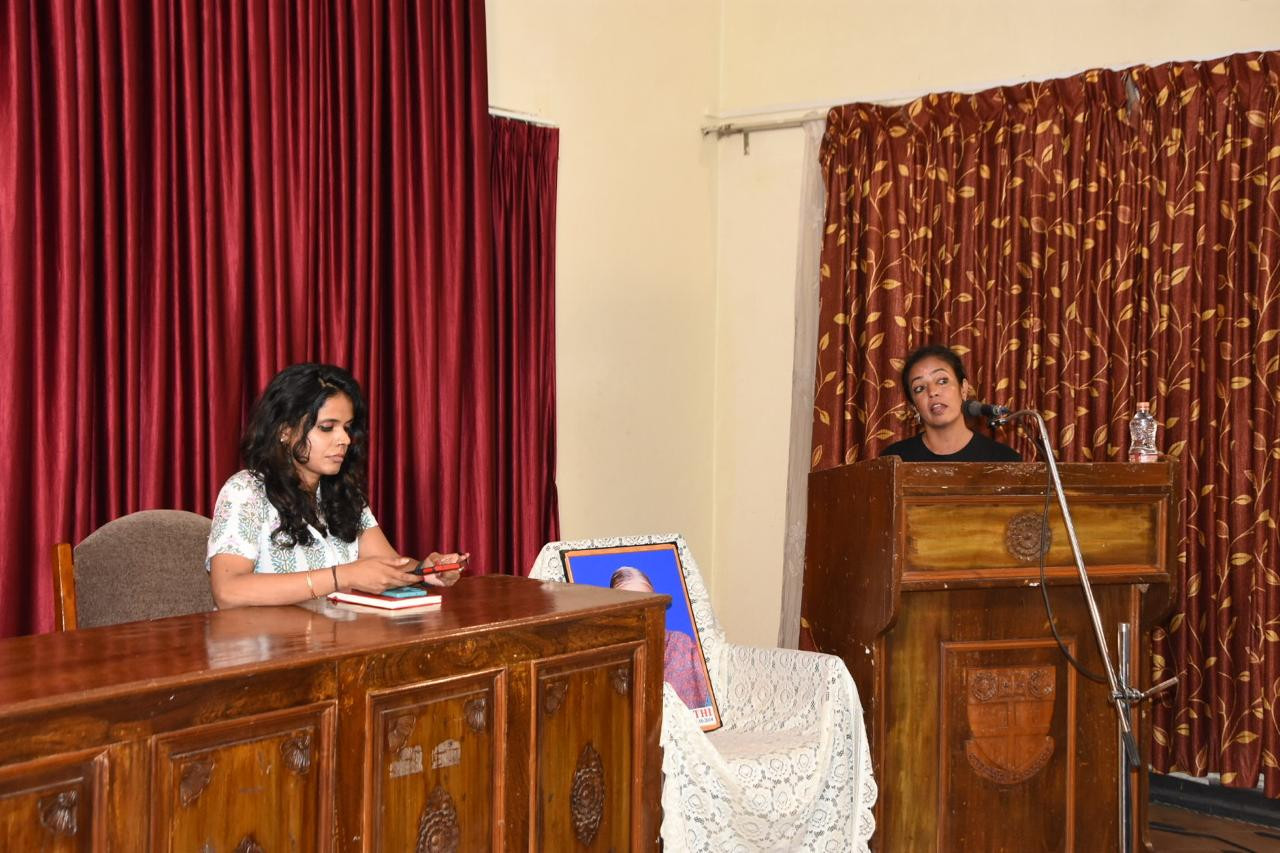
The event commenced with a welcome note by Prof. KP Vasudev, who introduced Dr. Kandasamy to the audience. Christopher George, Director of Karnataka Theological Research Institute, delivered the vote of thanks, expressing gratitude for the insightful session. Dr. B Srinivas Kakkilaya, coordinated the event while media scholar Sindhu Manjesh was also present on the dias.
Let the Truth be known. If you read VB and like VB, please be a VB Supporter and Help us deliver the Truth to one and all.
Man booked for duping 7 persons of Rs 91 lakh on promise of awarding govt works

Mumbai (PTI): The Mumbai police have registered a case against a man for allegedly duping seven persons of Rs 91 lakhs on the promise of awarding them works of different government departments, an official said on Tuesday.
The accused was identified as Satish Kadam, a resident of Nanded in Marathwada region, an official said.
A complaint was filed by Hanumant Vadje, who alleged that the accused cheated him and six others of around Rs 91 lakh by promising to give them various works of Urban Development and Social Justice Department, he said.
The fraud occurred between 2024 and 2026, with Kadam collecting money in cash and into his accounts, police said, adding he had returned some amount to them partially.
Multiple cheques issued by the accused bounced, prompting the victim to lodge a complaint at the Marine Drive police station. Based on the complaint, a case of cheating and criminal breach of trust was registered against him.
The case is under further investigation, the official said.


