
AP Governor S Abdul Nazeer visits Colaco family, offers condolences on passing of Alice Colaco

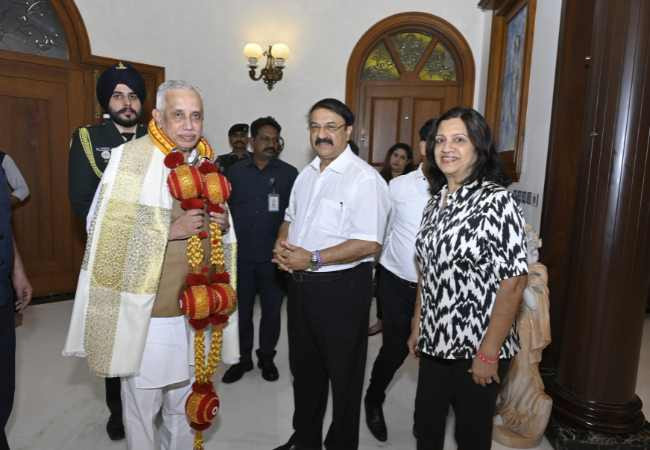
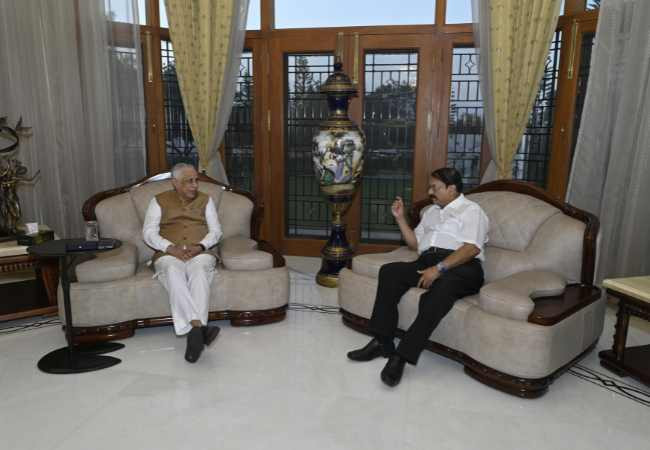
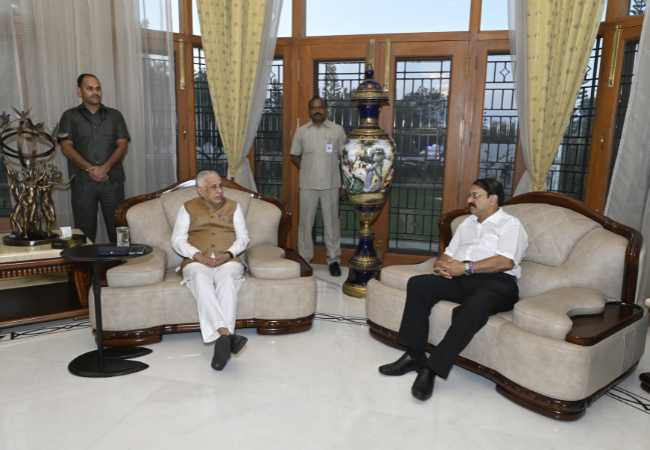
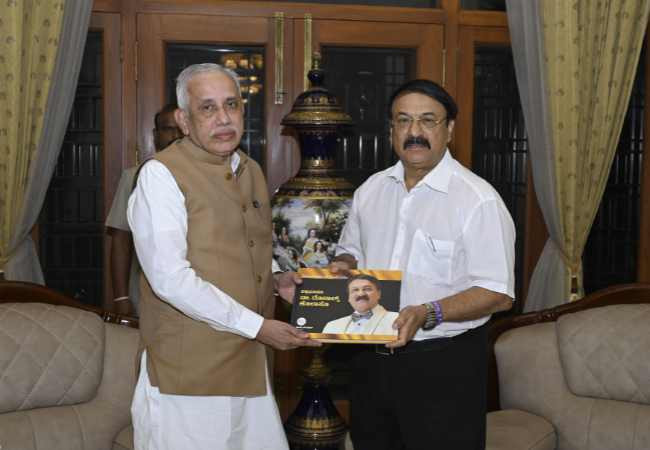
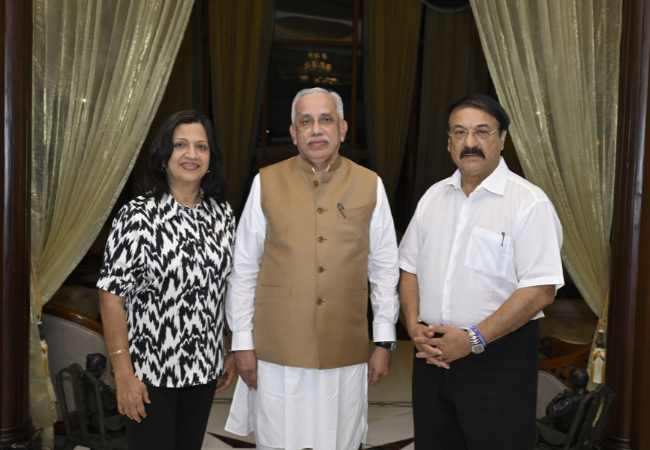
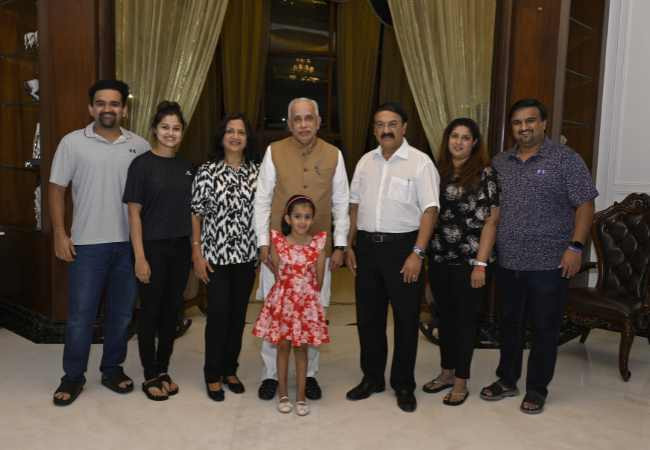
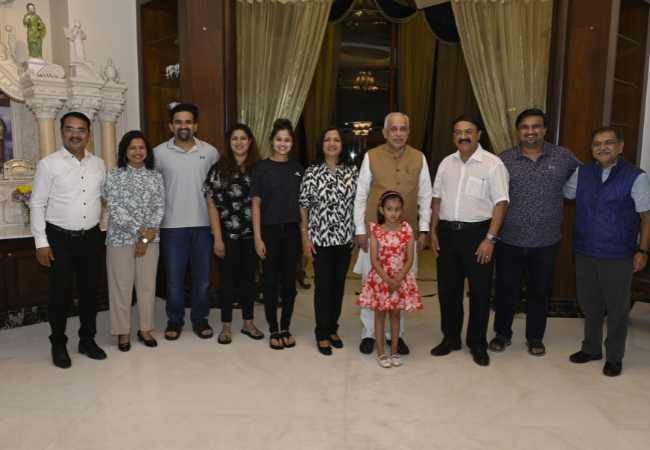
Bengaluru: Andhra Pradesh Governor S. Abdul Nazeer visited the residence of the Colaco family in Bengaluru to offer his condolences following the death of Alice Colaco, mother of NRI philanthropist Dr Ronald Colaco.
Alice Colaco, aged 97, passed away on 29 November 2025. She was the daughter of the late Santhan Pereira and the late Assis Pereira, and the wife of the late Fabian B. L. Colaco.
Governor Nazeer met members of the bereaved family and conveyed his sympathies, remembering the deceased as a respected elder and expressing support to the family during their time of grief.
The viewing of the mortal remains is scheduled at St. Patrick Church, Bengaluru, at 10 am on Tuesday, 2 December 2025, followed by Mass at 11 am and burial at St. Patrick’s Church Cemetery, Langford Town.
Earlier, Karnataka Assembly Speaker U. T. Khader and other dignitories had also visited or conveyed their condolences to the family.
Ronald Colaco, his wife Jean Colaco, Nigel Colaco and his wife Nikita Colaco, Randal Colaco and his wife Muriel Colaco, Denis D'Silva Mangalore and Gretta D'Silva Mangalore were present during Abdul Nazeer's visit to the family.
Let the Truth be known. If you read VB and like VB, please be a VB Supporter and Help us deliver the Truth to one and all.
Congress using hijab issue to pacify minority anger, alleges Karnataka LoP R Ashoka

Bengaluru: Leader of Opposition in the Assembly R. Ashoka has accused the Congress government of using the hijab issue to placate what he described as discontent among minority voters after the Davanagere by-election.
In a post on X on Wednesday, Ashoka alleged that the state government, instead of addressing issues such as price rise, corruption, farmers’ distress and law and order, was attempting to retain its minority vote base by reviving the hijab issue.
Referring to the 2022 dress code introduced by the BJP government, which prohibited hijab in schools and colleges, Ashoka said the Karnataka High Court had upheld the policy and emphasised the importance of discipline in educational institutions.
He questioned the Congress government’s move to revisit the issue and asked whether setting aside the court-backed policy to benefit one community could be described as secularism.
Ashoka further alleged that while the government was willing to permit hijab, it continued to prohibit saffron shawls.
He accused the government of dividing students on religious lines rather than treating schools and colleges as spaces of equality.
Drawing a comparison with Mamata Banerjee’s government in West Bengal, Ashoka claimed that excessive appeasement politics had harmed the state and warned that the Congress in Karnataka could face a similar political response.
He said voters in Karnataka would teach the Congress a lesson for what he termed “vote-bank politics” and for compromising constitutional and judicial principles.


