
APCR Karnataka Chapter gets new state executive body

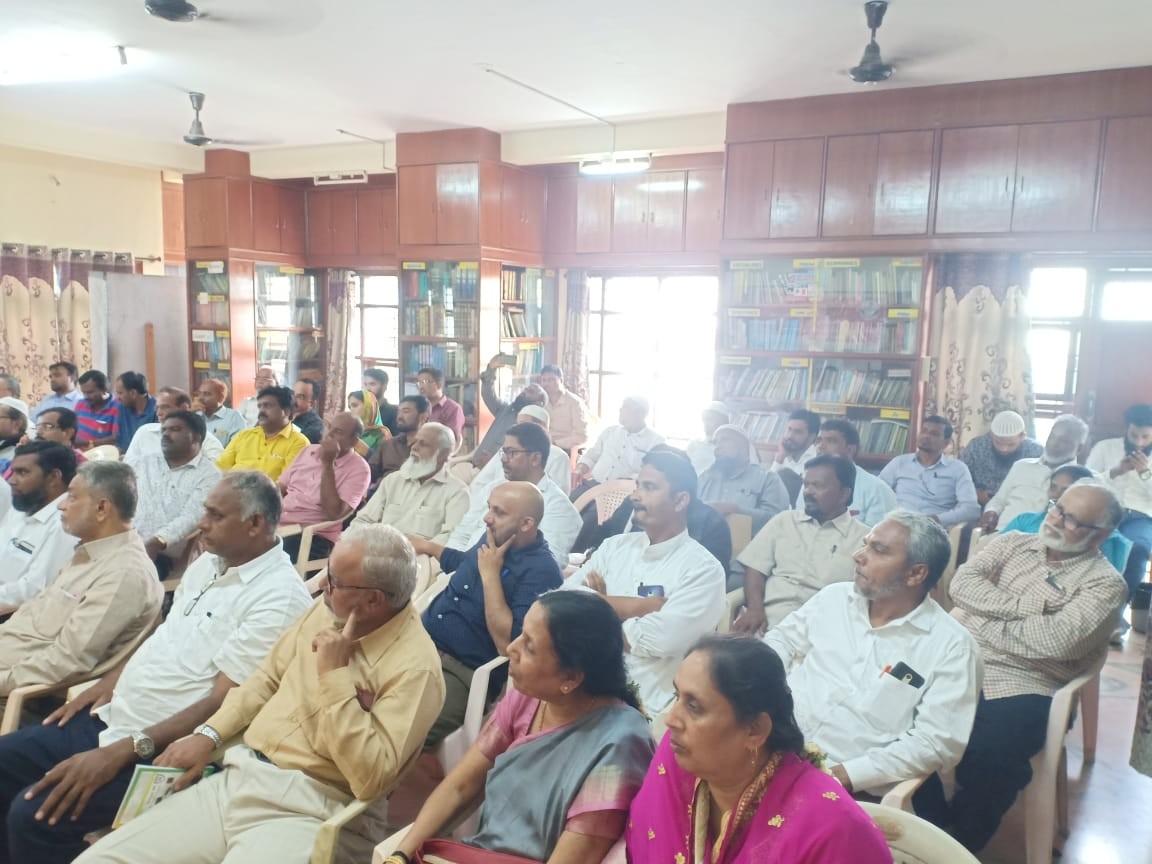
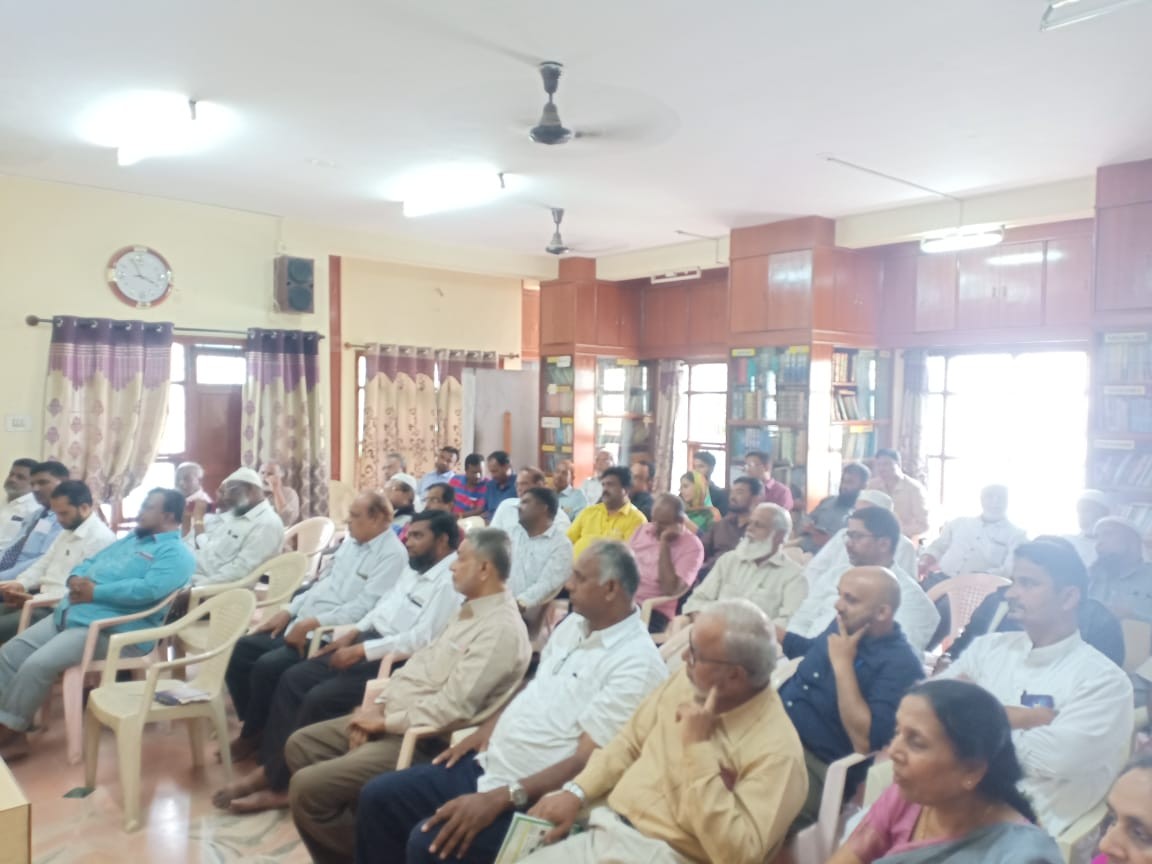
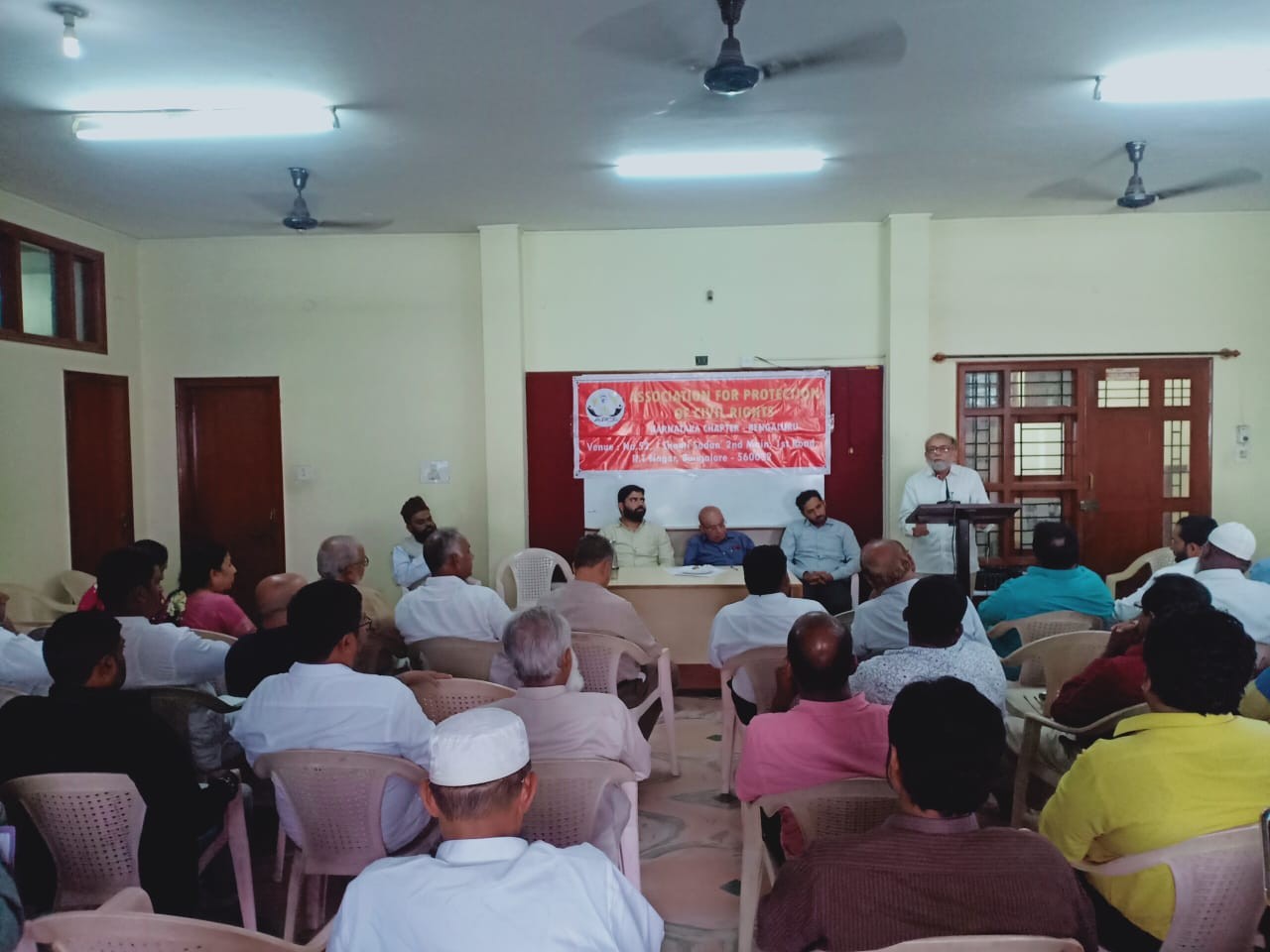
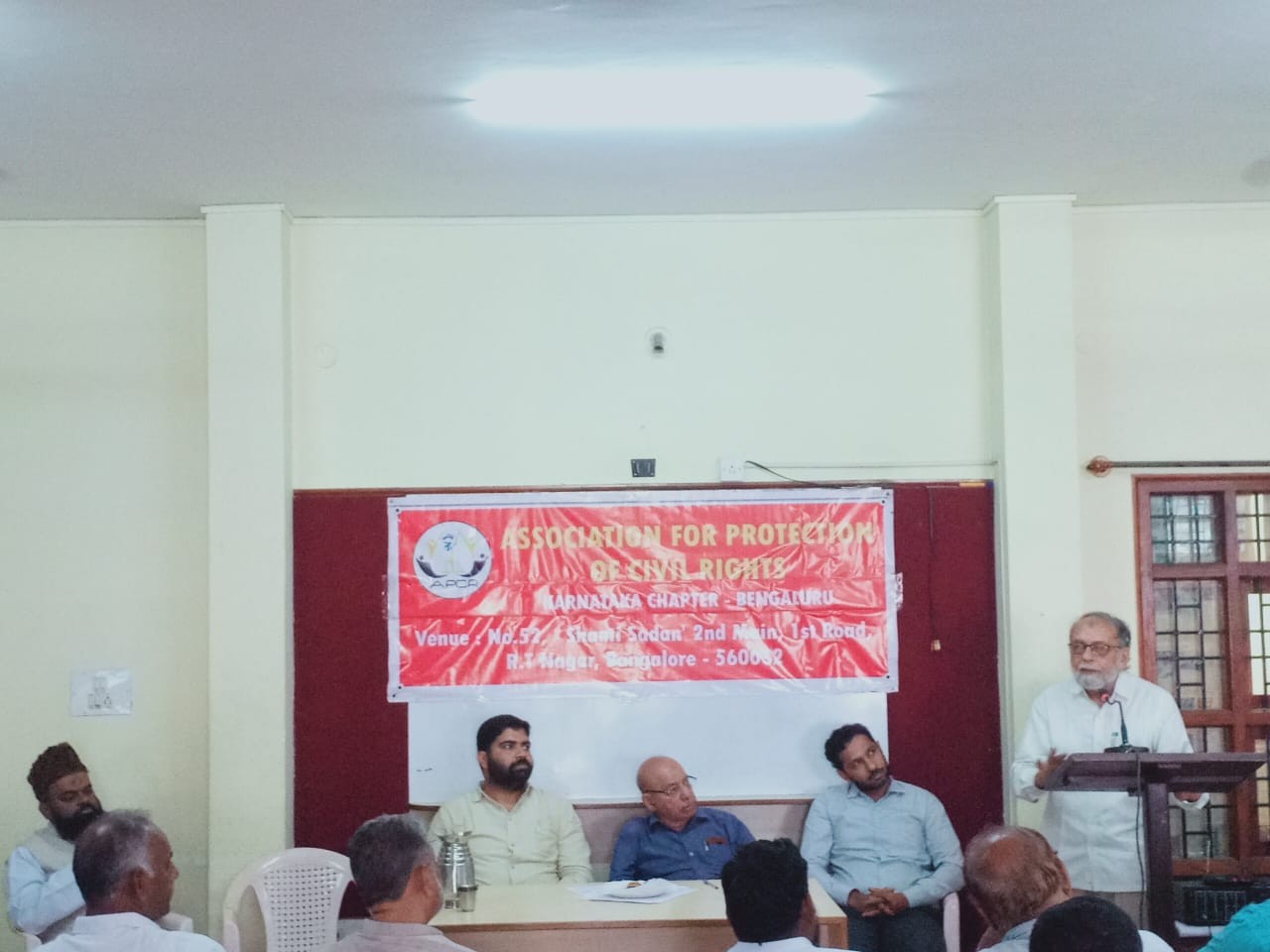
Bengaluru: Association for Protection of Civil Right (APCR) Karnataka Chapter on Sunday elected a new team of state executive members through election in the presence of organisation’s national convener and Supreme Court lawyer Abubaker Sabaq here in Bengaluru.
The new team of state executive members included the State General Secretary of the organisation Advocate Niyaz Ahmed of Bengaluru, noted RTI Activist of the state Shaikh Shafi Ahmed of Gulbarga, Founding member of the organisation Advocate Mahmood Qazi of Bijapur, Retd. DySP Ishaq of Chitradurga, Tajuddin Sharif of Tumkur, Advocate Abdul Salam of Bengaluru and Mohammed Fazal.
During the election it was also decided that the seven-member team will nominate four members to the executive body before electing the office bearers of the organisation for a term of four years.
National co-ordinator Abubaker Sabaq, during his address to the District office bearers and activists added that the organisation should aim to work on ground level, reach out to people and offer legal assistance to connect with the people and earn their trust.
“When you are working as activists, it is very important to connect with the problem and offer help to them. You have to reach out to them to earn their trust. You have to understand the political scenario of the state and country to become better activists” he advised activists and office bearers.
“In the current scenario, it is very important to safeguard civil rights of the people. As an activist you have to be on your toes and be of help to the victims irrespective of their caste, religion, color or any other ground” he further added.
APCR National Joint Secretary Rafeeq Ahmed, congratulated the newly elected state executive members and urged them to be committed to work for ensuring justice for the oppressed section or individuals of the society.
Mohammad Yousuf Kanni lauded the work being done in the state by the organisation and added that APCR has become the voice of voiceless people in the state, while also noting some of the remarkable work of the organisation in the state.
APCR State President Advocate Saduddin Saleh, who opted out of the election owing to his health issues, Karnataka APCR Patron Mohammad Yousuf Kanni, APCR National Joint Secretary Rafeeq Ahmed were also present during the event along with APCR office bearers, activists and District Representatives.
Association for Protection of Civil Rights (APCR) is a civil rights's group comprised of advocates, social activists and grassroots para- legal social workers dedicated to using the legal system to protect and advance the civil and human rights in India. APCR, a non- profit and governmental civil rights's group was set up in 2006 to defend the rights of the underprivileged sections of the society.

Let the Truth be known. If you read VB and like VB, please be a VB Supporter and Help us deliver the Truth to one and all.
Rupee falls 11 paise to 94.27 against US dollar in early trade

Mumbai (PTI): The rupee depreciated 11 paise to 94.27 against US dollar in early trade on Monday driven by persistent dollar demand and a broader shift toward safe-haven assets.
Forex traders said the Indian rupee has hit a rough patch, falling for five consecutive sessions, weighed down by a combination of factors such as the RBI loosening its grip on currency rules and rising oil prices caused by global tensions.
Moreover, investors are becoming cautious again, with foreign institutions pulling money out of the market after a brief period of buying amid rising geopolitical uncertainty.
At the interbank foreign exchange market the rupee opened at 94.25 against the US dollar, then lost some ground and touched 94.27 against the US dollar in initial trade, registering a fall of 11 paise over its previous close. On Friday, the rupee had settled at 94.16 against the American currency.
ALSO READ: Death toll in Mundathikode fireworks explosion rises to 16
Meanwhile, the dollar index, which gauges the greenback's strength against a basket of six currencies, was down 0.09 per cent at 98.44.
Brent crude, the global oil benchmark, was trading higher by 1.16 per cent at USD 106.55 per barrel in futures trade.
A mix of softer economic signals and renewed, even if fragile, hopes of diplomacy pulled the dollar lower again, CR Forex Advisors MD Amit Pabari said, adding that for Rupee, on one hand, a softer dollar offers relief. On the other, uncertainty remains the dominant force.
Meanwhile, India’s forex reserves have crossed USD 703 billion as of April 17, reflecting a consistent build-up of buffers.
"For now, the rupee continues to lean toward gradual weakness. Uncertainty remains the dominant force, shaping both global flows and local reactions," Pabari said.
He further noted that any dips are likely to be bought into, with the 92.80–93.20 zone acting as a strong support. On the upside, 93.50 to 94.50 is expected to define the near-term range.
On the domestic equity market front, the 30-share benchmark index Sensex was trading 518.96 points or 0.68 per cent higher at 77,183.17, while the broader Nifty was trading up 131.30 points or 0.55 per cent at 24,029.25.
Foreign Institutional Investors offloaded equities worth Rs 8,827.87 crore on Friday, according to exchange data.


