
CAT stays suspension of IAS officer who checked PM's copter

Bengaluru, Apr 25: The Central Administrative Tribunal (CAT) bench here Thursday stayed the Election Commission order suspending IAS officer Mohammed Mohsin for checking prime minister Narendra Modi's helicopter in Odisha.
The officer from Karnataka cadre, deployed in Odisha as a general observer, was suspended on April 17 for checking Modi's helicopter in Odisha's Sambalpur in "violation" of norms for dealing with SPG protectees and sent back to the state.
The CAT maintained that during an election process while reasonable assurances of protection and security must be made available to SPG protectees, it cannot be said "they are eligible for anything and everything."
The bench also ordered issue of notice to the EC and "four others" and posted the matter for further hearing on June 6.
Mohsin had tried to check some luggage in the convoy of the Prime Minister during his campaign visit and the EC had said he had acted in violation of its existing instructions.
In its order, CAT member (Judicial) Dr K B Suresh noted there was a circular regarding the SPG protectees that they are exempted from certain examinations on certain grounds.
"We will not go into the SPG protectees guidelines as per the bluebook right now, but the rule of law must prevail," he said.
The CAT also took note of the plea of the applicant's counsel who said there were news about heavy packages unloaded from prime minister's cavalcade being taken away in other vehicle.
Questions were raised but apparently no action followed, it said.
Noting that under the Constitutional process of federal structure, even though the EC has supervisory powers over the employees under its control at that moment of time, the CAT said once they are out of it, the commission's powers would cease.
The tribunal said: "Thereforethe suspension order issued by the election commission cannot, on the face of it, lie. It is hereby stayed."
However, the CAT said it would look into this matter afresh once it received the response from the EC.
The tribunal said the applicant will be eligible to rejoin his former position under the Karnataka government "without any further ado about it".
Following the suspension, an EC source had said: "It has been laid down that SPG protectees are exempted from checking.
He (the officer) should have known the instruction being an observer. The reason for suspension is dereliction of duty."
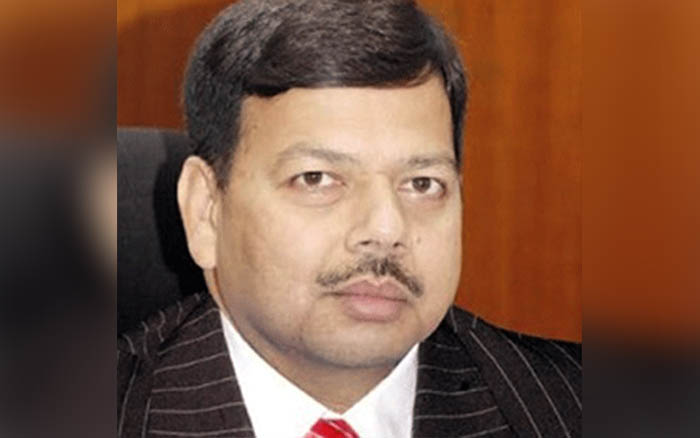
IAS officer Mohammed Mohsin
Let the Truth be known. If you read VB and like VB, please be a VB Supporter and Help us deliver the Truth to one and all.
Trump says he ‘hasn’t even thought about’ continuing Iran ceasefire

Washington: US President Donald Trump has said he has not yet considered whether he would continue the ceasefire involving Iran, while also claiming the United States holds the advantage in negotiations.
Speaking to reporters, Trump said he was prepared to make a deal with “whoever is running the show” in Iran.
“They are fighting with each other, there’s tremendous infighting. They’re probably fighting for leadership in many cases. I think they’re fighting not to be leader because we knocked out two levels of leaders,” he said.
Trump added, “When they want they can call me. We have all the cards, we’ve won everything.”
Referring to ongoing negotiations, he said, “They gave us a paper that should’ve been better. And, interestingly, immediately when I cancelled it [envoy trip to Pakistan], within 10 minutes we got a new paper that was much better.”
“We talked about they will not have a nuclear weapon, very simple … They offered a lot, but not enough,” he added.
When asked whether he would continue the ceasefire, Trump replied, “I haven’t even thought about it.”
The remarks come as uncertainty remains over the future of the temporary truce and broader negotiations between Washington and Tehran.


