Carlos Alcaraz beats Novak Djokovic in five sets to win Wimbledon for his second major trophy

Wimbledon, Jul 16: Carlos Alcaraz said he wanted another shot at Novak Djokovic. Said it would make winning a Wimbledon championship more special. Well, Alcaraz got his chance to face Djokovic. And he beat him.
Alcaraz put aside a poor start and surged down the stretch to end Djokovic's 34-match winning streak at the All England Club by edging him 1-6, 7-6 (6), 6-1, 3-6, 6-4 in an engaging, back-and-forth final on Sunday, claiming his first championship at Wimbledon second Grand Slam trophy overall.
The No. 1-ranked Alcaraz prevented Djokovic from what would have been a record-tying eighth title, and fifth in a row, at the grass-court tournament. Djokovic also was kept from claiming his 24th career major.
Instead of Djokovic, a 36-year-old from Serbia, becoming the oldest male champion at Wimbledon in the Open era, Alcaraz, a 20-year-old from Spain, became the third-youngest. The age gap between the two was the widest in any men's Slam final since 1974.
So Alcaraz had youth on his side, which he also did, of course, when they met at the French Open last month. That one was extraordinary for two sets before Alcaraz cramped up and faded. This time, he had the stamina and the strokes to get past Djokovic.
Alcaraz is faster and capable of more power serves topping 130 mph, forehands topping 100 mph but Djokovic is equipped with an abundance of talents and so much muscle memory. He's been there, and done that, in ways Alcaraz, for now, can only dream of.
But if this victory on a windy and cloudy day at Centre Court, where Djokovic last lost in the 2013 final, was any indication, Alcaraz is on his way to achieving quite a bit himself.
Still, this is all relatively new to him: Djokovic's record 35th Grand Slam final was Alcaraz's second.
Yet it was Alcaraz who won a 32-point, 25-minute mini-masterpiece of a game on the way to taking the third set. And it was Alcaraz who moved out front for good by breaking to go up 2-1 in the fifth with a backhand passing winner. Djokovic, who fell during the point but quickly popped back up, reacted by slamming his racket into the net post, letting go on impact. He destroyed his equipment and earned a code violation from chair umpire Fergus Murphy.
They would play on for another 24 minutes, bringing the total to more than 4 1/2 hours, but Alcaraz never relented, never gave way. And it was Alcaraz, not Djokovic, receiving the trophy in the evening.
Let the Truth be known. If you read VB and like VB, please be a VB Supporter and Help us deliver the Truth to one and all.
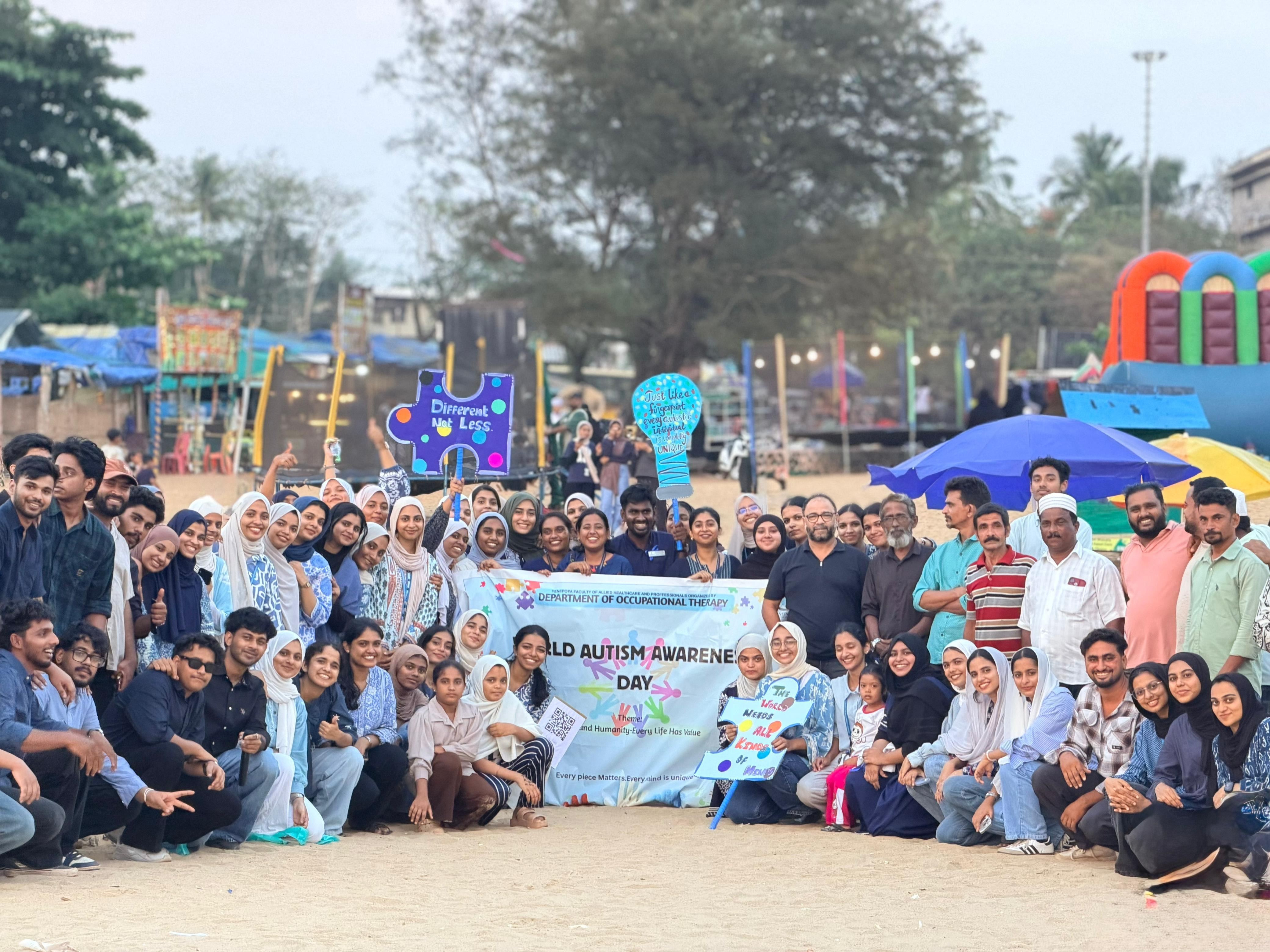
Yenepoya University conducts autism awareness campaign in Mangaluru

Mangaluru: The Department of Occupational Therapy at Yenepoya (Deemed to be University) conducted a community-based Autism Awareness Campaign at Fiza Mall and Ullal Beach in the city.
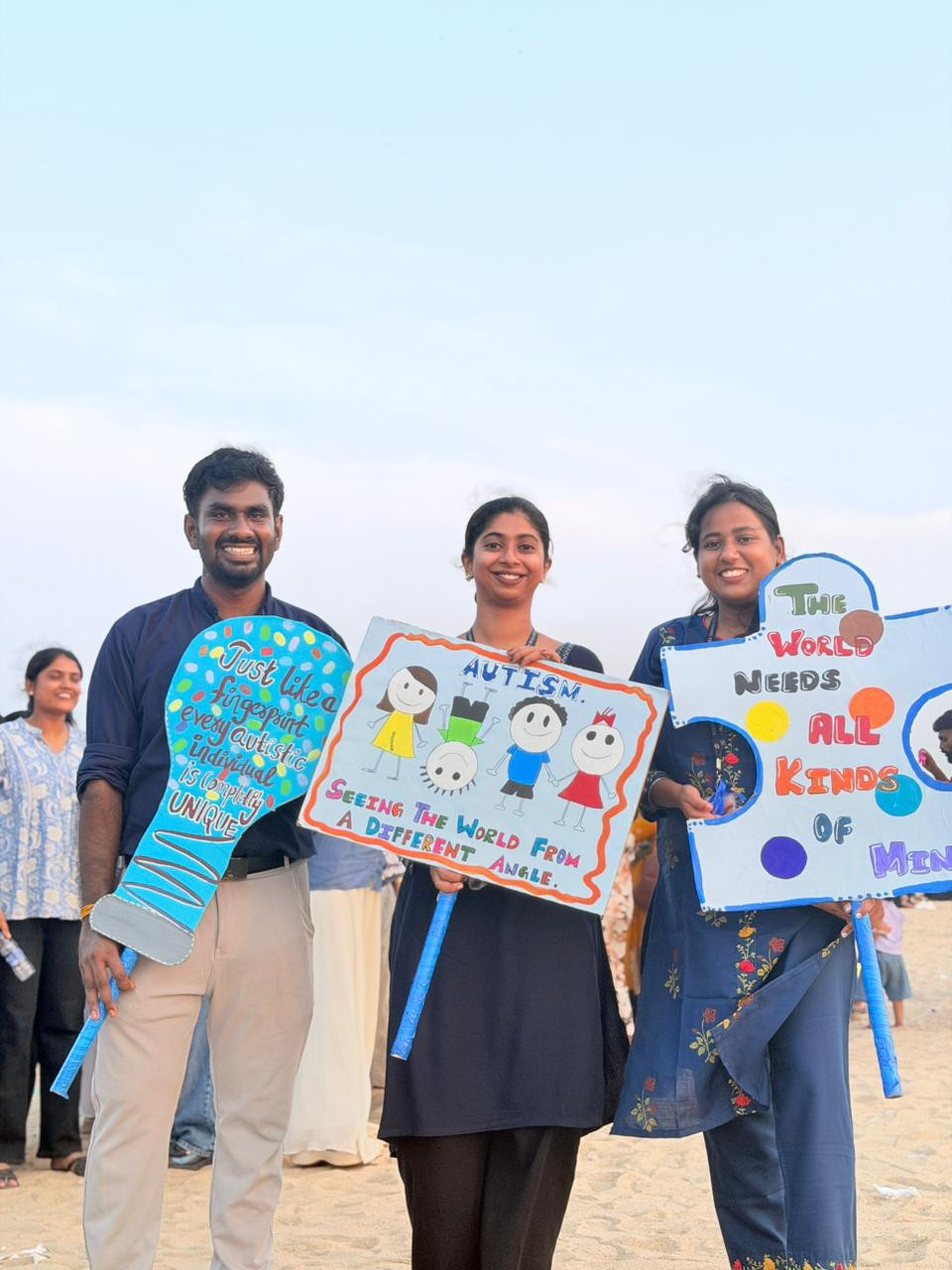
The campaign was aimed at promoting awareness, inclusion, and early identification of autism, in line with the global theme, “Autism and Humanity – Every Life Has Value.”
The programme was led by Dr. Dhayanithi K and Dr. Ananya Jana as organising chairpersons, with Dr. Anas, Dr. Amanda S. Phillip, and Dr. Ansu V. David served as organising members.
Students of the Bachelor of Occupational Therapy (BOT) programme participated in conducting the campaign.
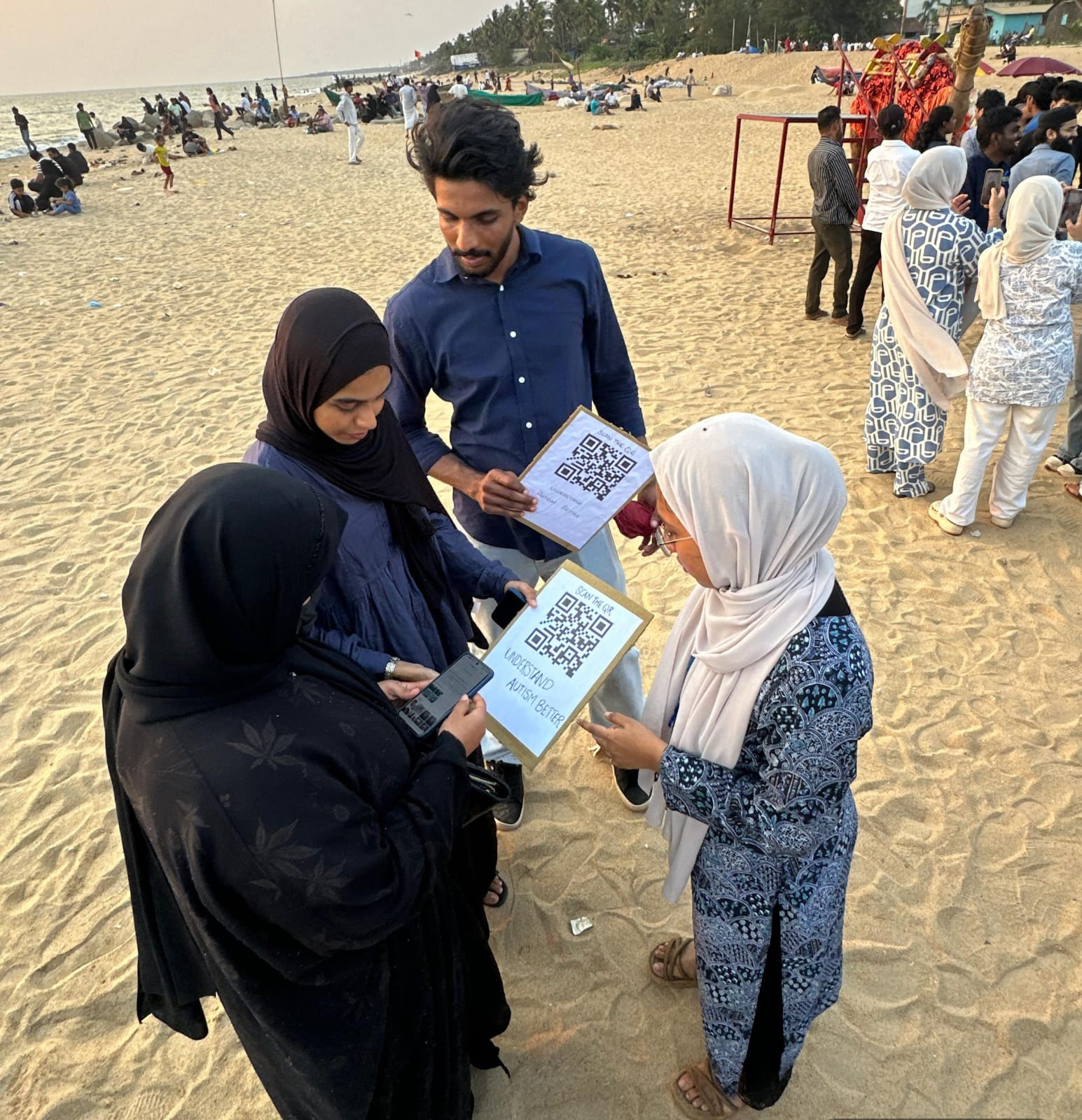
The event included activities such as flash mobs, street plays, face painting, mehendi, and direct interaction with the public.
These activities focused on highlighting early signs of autism, the need for early intervention, and the importance of inclusion and acceptance of individuals with autism.
The campaign reached around 300 to 500 members of the public. It also provided students with practical exposure to community-based rehabilitation and public health education.
As part of the initiative, QR-based digital resources were introduced to help the public access reliable information on autism.
“Awareness is the first step towards inclusion, and early intervention can significantly improve outcomes,” the organising team said.
The department thanked the university for its support in organising the campaign. It also acknowledged the cooperation of the management of Fiza Mall and the Ullal Beach Police Department in facilitating the event.