100 children die of encephalitis in 16 days in Bihar
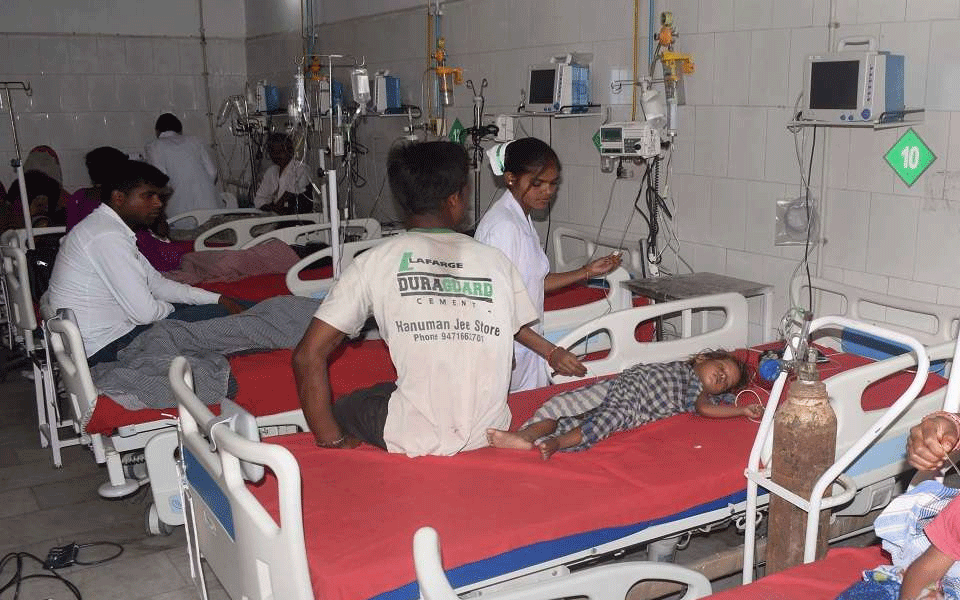
PATNA: Acute Encephalitis Syndrome has claimed the lives of 100 children in Bihar's Muzaffarpur in the last 16 days. Nearly 300 children have been admitted to the Intensive Care Units of the two local hospitals. According to official data, 83 children have died at Sri Krishna Medical College and Hospital (SKMCH), while 17 have lost their lives in Kejriwal Hospital in the city.
Acute Encephalitis Syndrome (AES) is a viral disease that causes mild flu-like symptoms such as high fever, convulsions and headaches. The state health department has cited hypoglycemia, a condition caused by very low level of blood sugar, as one of the main reasons for the deaths.
Dr SK Shahi, the Medical Superintendent at SKMC, told NDTV that only monsoon can bring respite from the deadly disease.
Union Health Minister Harsh Vardhan visited Muzaffarpur on Sunday to take stock of the situation. After his review, the minister said he had talked to "every concerned individual about this issue".
"Despite all problems and considering the seriousness of this disease, I appreciate the efforts put in by the doctors to ensure efficient treatment to everyone," he added.
Chief Minister Nitish Kumar earlier expressed grief over the deaths and announced "an ex gratia payment of Rs. 4 lakh to the next of the kin of those who have died". The Chief Minister also said there is a lack of awareness on how to tackle this disease.
Bihar health officials have also been struggling with a heatwave that killed over 40 people on Saturday. Most of those deaths were reported from Aurangabad, Gaya and Nawada, with 27 dying in Aurangabad alone.
Dr Surendra Prasad Singh, a doctor at one of Aurangabad's state-run hospital, said number of deaths in the district is likely to rise.
Union Health Minister Harsh Vardhan called the deaths in Gaya "unfortunate" and advised people against leaving their homes during peak hours.
courtesy: ndtv.com
Let the Truth be known. If you read VB and like VB, please be a VB Supporter and Help us deliver the Truth to one and all.
Bengaluru jail introduces biometric tracking system for prisoners
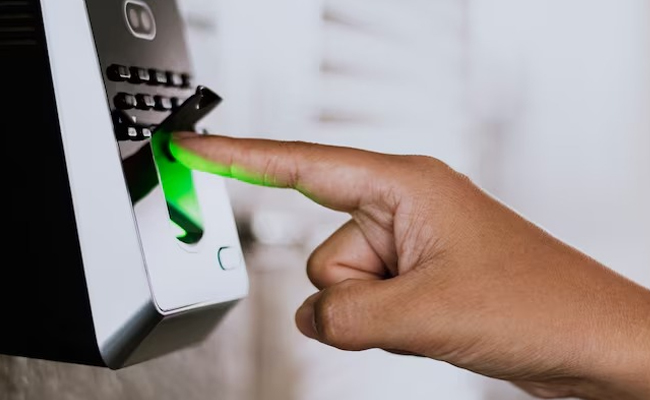
Bengaluru: In a bid to curb misconduct and illegal activities inside Parappana Agrahara Central Prison, prison authorities have introduced a new ‘Prisoners Tracking Movement System’ under which inmates will have to undergo biometric verification while entering every barrack.
According to jail officials, biometric systems have been installed across all major sections of the prison, including barracks, visitor rooms, hospital, canteen, kitchen, library, playground, handicraft units and bakery sections. Staff members have also been deployed at these locations.
Officials said inmates visiting the visitors’ room must now obtain a digital token after biometric verification. Details such as the prisoner’s name, identification number and entry time will be updated in the prison software system. This will help authorities maintain a complete digital record of inmates visiting and returning from meeting rooms.
Similar systems have also been introduced at entry points of the hospital, library and other barracks accessed for work-related purposes. Officials said the system will help identify prisoners involved in suspicious or illegal activities with other inmates and enable authorities to track how much time a prisoner spends at different locations inside the prison.
Authorities stated that AI-powered cameras were already being used inside the prison to monitor inmates as well as prison staff. Along with this, digital tracking of prisoner phone calls and a digital token system for visitor meetings have now been added to strengthen surveillance over inmate movement. Officials said the project has been implemented at a cost of around Rs 2.25 crore.
The prison department has also introduced a canteen usage tracking system to monitor prisoners’ spending patterns. Instead of direct cash payments, inmates can purchase bakery items and snacks using wallets or coupons issued within the prison system.
Officials said the digital system will record details including the buyer’s name, items purchased, quantity, date, time and remaining wallet balance. This will allow prison authorities to maintain complete expenditure records of inmates.