111 New Helicopters To Be Bought For Navy For Rs.21,000 Crore
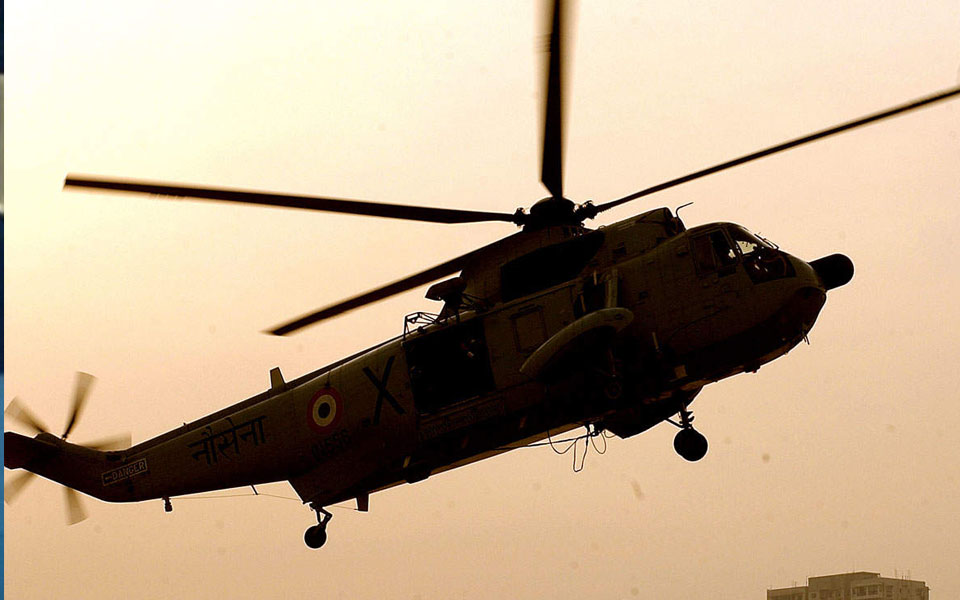
New Delhi, Aug 25 : The Defence Acquisition Council (DAC) met on Saturday and approved procurement proposals worth about Rs 46,000 crore, including that of 111 utility helicopters for the Indian Navy at a cost of over Rs 21,000 crore under the Strategic Partnership (SP) Model.
The meeting was chaired by Defence Minister Nirmala Sitharaman.
"The DAC, in a landmark decision today, approved procurement of 111 Utility Helicopters for the Indian Navy at a cost of over Rs 21,000 crore. This is the first project under the MoD's prestigious Strategic Partnership model that aims at providing significant fillip to the government's ‘Make in India' programme," an official release said.
The SP model envisages indigenous manufacturing of major defence platforms by an Indian Strategic Partner, who will collaborate with foreign original equipment manufacturer, acquire niche technologies and set up production facilities in the country.
The SP model has a long-term vision of promoting India as a manufacturing hub for defence equipment thus enhancing self-sufficiency and establishing an industrial and research and development (R&D) ecosystem, capable of meeting the future requirements of the armed forces, the release said.
"The contract when finalised would result in a vibrant and wide-spread defence industrial eco-system in the Indian aviation sector with the private industry and MSMEs as major stakeholders," it said.
Other proposals cleared by the DAC include procurement of 150 indigenously designed and developed 155 mm advanced towed artillery gun systems for the Indian Army at an approximate cost of Rs 3,364.78 crores.
These guns have been indigenously designed and developed by DRDO and will be manufactured by production agencies nominated by DRDO. They are likely to be the mainstay of artillery in the near future.
The DAC also approved procurement of anti-submarine capable 24 Multi Role Helicopters (MRH), which are an integral part of the frontline warships like aircraft carriers, destroyers, frigates and corvettes.
"Availability of MRH with the Navy would plug the existing capability gap," the release said.
Procurement of 14 Vertically Launched Short Range Missile Systems was also cleared by the DAC. Of these, 10 systems will be indigenously developed.
These systems will boost the self-defence capability of ships against anti-ship missiles.
Let the Truth be known. If you read VB and like VB, please be a VB Supporter and Help us deliver the Truth to one and all.
Maharashtra sets up state vaccination task force to strengthen immunisation programme
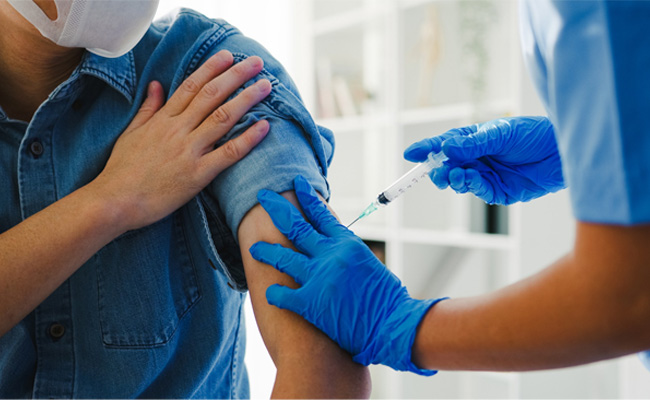
Mumbai (PTI): The Maharashtra government has set up a State Vaccination Task Force to strengthen the regular immunisation programme and review the progress of related campaigns, a health department official said on Monday.
The State Vaccination Task Force will comprise at least 29 members and will be headed by the administrative head of the health department, he informed.
The government has also constituted separate district-level and municipal vaccination task forces to improve implementation and address challenges at the grassroots level, he said.
Municipal task forces, chaired by respective civic commissioners, have been constituted in view of the vast urban population in Maharashtra and the role of civic bodies in implementing different health programmes.
The district-level task forces will function under the chairmanship of collectors.
"Complete immunisation of children at the appropriate age is an extremely simple, cost-effective and highly effective measure to reduce child mortality and the prevalence of diseases among kids. Immunisation is a powerful tool for reducing illness in children," maintained the official.
To ensure full vaccination of all children, the state government implements various campaigns from time to time as per the central government guidelines, he pointed out.
"Active participation and cooperation of other relevant government departments are essential (in making these campaigns successful)," according to the official.
The state-level body will review the regular immunisation programme, associated campaigns and vaccine-preventable diseases in detail. It will also conduct focused assessments of high-risk districts and municipal corporations, including vacancies at district, municipal and sub-district levels, availability of cold chain equipment, resource gaps and training requirements, he noted.
The state task force will review allocation and utilisation of funds for immunisation and ensure timely action by officers concerned based on reports from district and municipal task forces and state-level monitoring mechanisms, the official said.
It will also ensure active coordination and participation of other government departments in immunisation drives, while district and municipal task forces will carry out similar functions at their respective levels, the official added.