12 Congress MLAs join TRS, seek merger of Congress Legislature Party
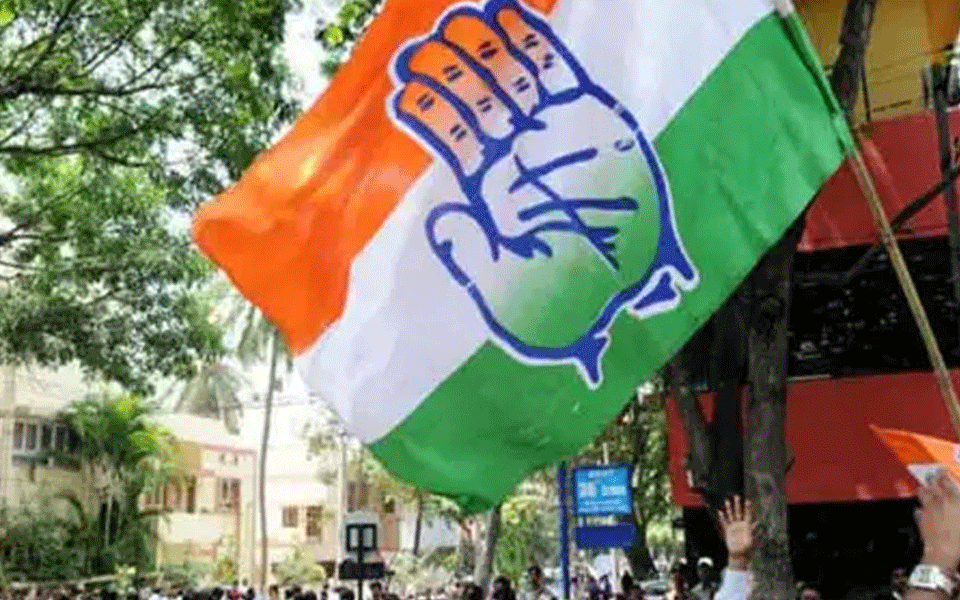
Hyderabad: In a huge setback for the Congress in Telangana, 12 of its MLAs Thursday met Assembly Speaker P Srinivas Reddy and gave him a representation to merge the Congress Legislature Party with the ruling Telangana Rashtra Samithi.
The Congress's strength in the 119-member House came down to 18 after the party's Telangana state unit chief Uttam Kumar Reddy tendered his resignation from the Assembly Thursday after being elected to Lok Sabha from Nalgonda.
In a dramatic turn of events, Tandoor Congress MLA Rohith Reddy met TRS Working President and Chief Minister K Chandrasekhar Rao's son KT Rama Rao and pledged his loyalty to the ruling outfit.
In March, 11 Congress MLAs had announced that they would join the TRS.
Senior Congress legislator Gandra Venkata Ramana Reddy said the 12 MLAs decided to work with the chief minister for the development of the state.
He further confirmed that they gave a representation to the Speaker requesting him to merge them with the TRS.
"We held a special meeting of the Congress Legislature Party. The 12 members supported the leadership of Chief Minister KCR and wanted to work with him. We gave a representation to the Speaker and requested him to merge us with the TRS," Reddy said.
As 12 MLAs account for two-third of the Congress Legislature Party, which has an effective strength of 18, they will not attract provisions of the anti-defection law, officials said.
If the Speaker accepts their request, the Congress may lose the Opposition party status as its strength will come down to just six.
The AIMIM led by Hyderabad Lok Sabha member Asaduddin Owaisi has seven members in the Assembly, while the BJP has just one. The TRS won 88 seats in the Assembly polls held in December last year.
Let the Truth be known. If you read VB and like VB, please be a VB Supporter and Help us deliver the Truth to one and all.
Defamatory post against Dharmasthala Veerendra Heggade: Case registered against Girish Mattannavar
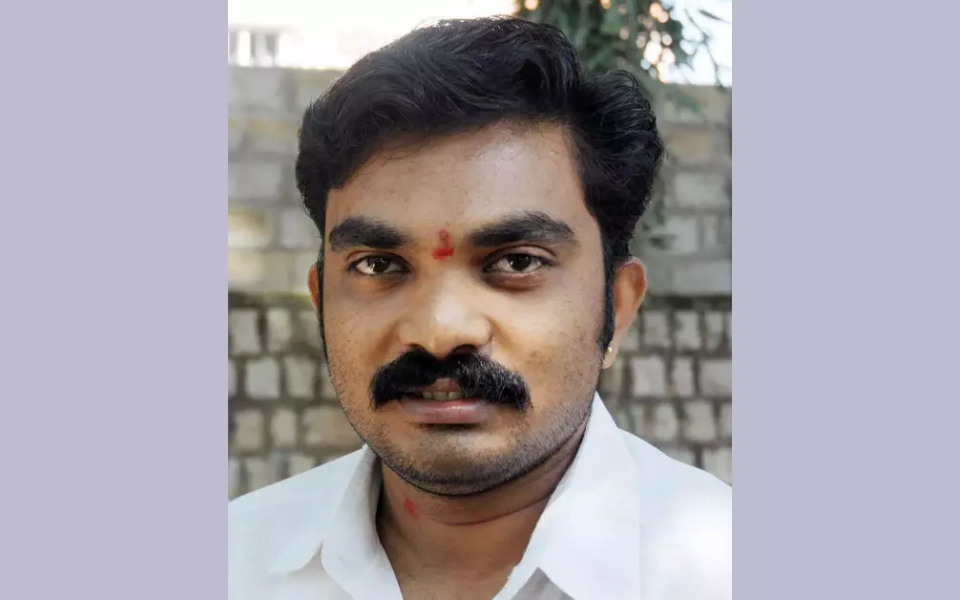
Belthangady: A case has been registered at Dharmasthala police station against Girish Mattannavar over a complaint regarding alleged defamatory posts on social media against Dr. D. Veerendra Heggade, Dharmadhikari of Sri Kshetra Dharmasthala.
The complaint was filed by Subrahmanya Prasad, a resident of Dharmasthala.
The complainant stated that Mattannavar posted content on Instagram making allegations against Dr. Heggade and allegedly affecting his reputation.
Based on the complaint, a case was registered under Section 353(2) of the Bharatiya Nyaya Sanhita (BNS), which is related to spreading false information, rumours, or alarming news, on April 18, and the investigation is in progress.
Following information about Mattannavar’s appearance at the SIT office on May 7, a police officer from Dharmasthala police station issued a notice directing him to appear at the station within a week.