12,431 men got benefits under government’s flagship scheme for women in Maharashtra: Report
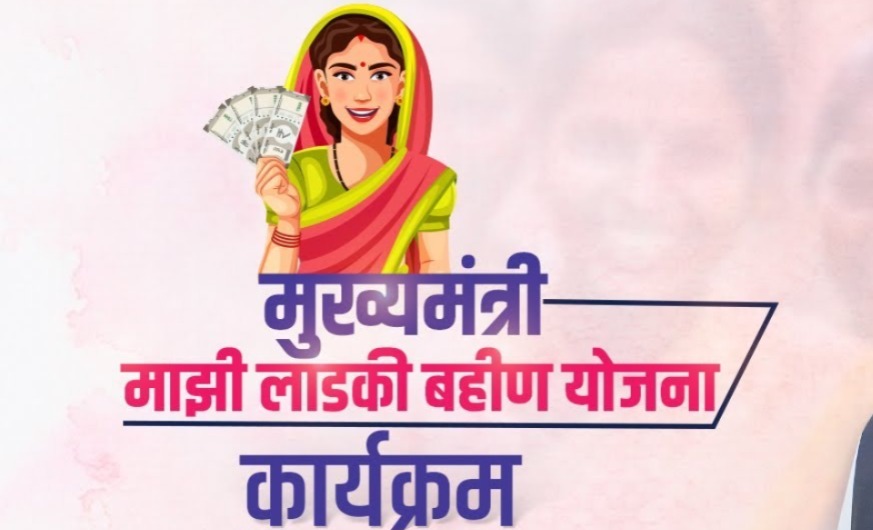
Mumbai: The Maharashtra government has reportedly found that at least 12,431 men received benefits under the Mukhyamantri Majhi Ladki Bahin Yojana, a scheme intended exclusively for women aged 21 to 65 from families with an annual income below Rs 2.5 lakh, which provides Rs 1,500 per month.
According to data obtained by The Indian Express through a Right to Information (RTI) request, 12,431 men and 77,980 women were wrongly disbursed Rs 1,500 for 13 months and 12 months, respectively, under the scheme. The erroneous payments amount to approximately Rs 24.24 crore for men, Rs 140.28 crore for women, and at least Rs 164.52 crore in total.
In its response to RTI queries from the newspaper, the Women and Child Development (WCD) department, which runs the scheme, stated that all 12,431 men and 77,980 women identified as ineligible have been removed from the list of beneficiaries following a verification process.
In a separate RTI response, the WCD department revealed that at least 2,400 government employees, including men, had availed undue benefits under the scheme, and disciplinary proceedings had been initiated against them. However, the department also confirmed that no action or recovery process has been initiated so far in any of the cases involving wrongful disbursement, the report added.
When asked about the RTI data, a state government official described the irregularity as the “tip of the iceberg”. “We are yet to calculate the total amount paid to these ineligible accounts. These figures may rise as verification continues,” TIE quoted the official as saying.
The official also mentioned that disbursement of funds to 26.34 lakh suspect accounts was suspended in June-July 2025 pending verification.
Officials further pointed out that the “irregularities” were uncovered during a verification exercise, which primarily found that the misuse of the scheme was due to the submission of incorrect data and misrepresentation of income and asset details by the beneficiaries.
“Some beneficiaries were availing multiple government schemes at the same time. In several households, more than two members were receiving benefits. Thousands of government staffers were found taking benefits despite being ineligible. Some had annual incomes exceeding Rs 2.5 lakh,” TIE quoted an official as saying.
The official added that, to prevent further misuse of the scheme, a statewide e-KYC verification drive has been launched for all existing and new beneficiaries, and the process is expected to be completed soon.
Let the Truth be known. If you read VB and like VB, please be a VB Supporter and Help us deliver the Truth to one and all.
Trump says he ‘hasn’t even thought about’ continuing Iran ceasefire
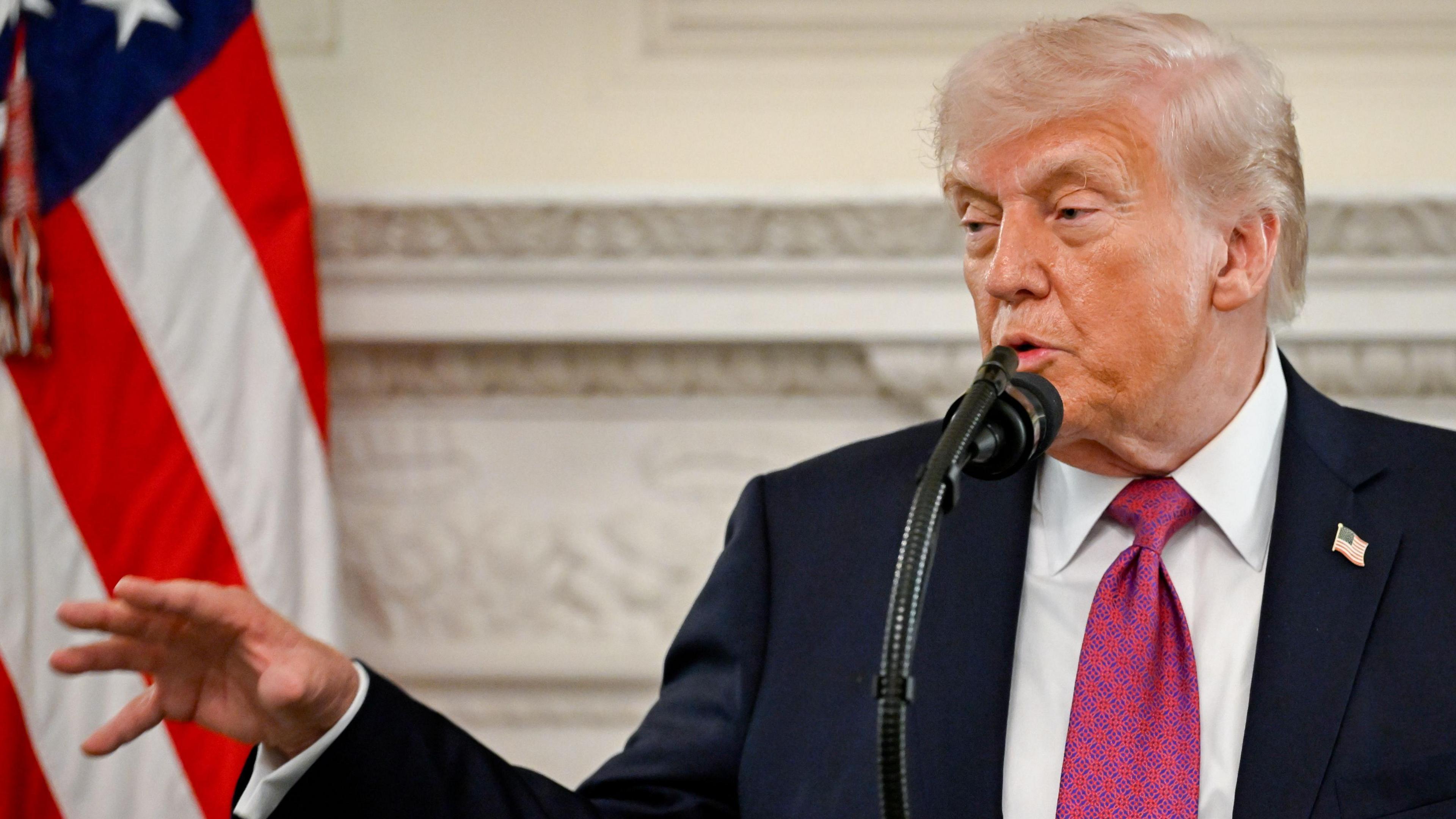
Washington: US President Donald Trump has said he has not yet considered whether he would continue the ceasefire involving Iran, while also claiming the United States holds the advantage in negotiations.
Speaking to reporters, Trump said he was prepared to make a deal with “whoever is running the show” in Iran.
“They are fighting with each other, there’s tremendous infighting. They’re probably fighting for leadership in many cases. I think they’re fighting not to be leader because we knocked out two levels of leaders,” he said.
Trump added, “When they want they can call me. We have all the cards, we’ve won everything.”
Referring to ongoing negotiations, he said, “They gave us a paper that should’ve been better. And, interestingly, immediately when I cancelled it [envoy trip to Pakistan], within 10 minutes we got a new paper that was much better.”
“We talked about they will not have a nuclear weapon, very simple … They offered a lot, but not enough,” he added.
When asked whether he would continue the ceasefire, Trump replied, “I haven’t even thought about it.”
The remarks come as uncertainty remains over the future of the temporary truce and broader negotiations between Washington and Tehran.