14 children contract Hepatitis, HIV infections during blood transfusions in UP hospital
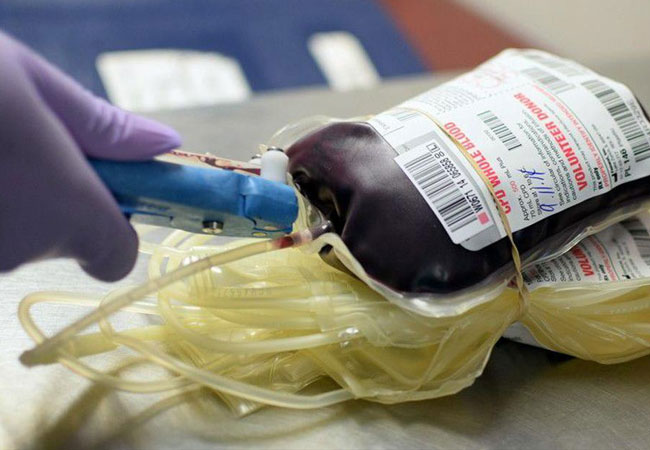
Kanpur: In a concerning incident, fourteen children undergoing blood transfusions for Thalassemia at the government-run Lala Lajpat Rai (LLR) Hospital in Kanpur, Uttar Pradesh, have tested positive for infections including Hepatitis B, Hepatitis C, and HIV, according to doctors. The incident has raised alarm among medical professionals, as the minors now face heightened health risks in addition to their existing Thalassemia condition.
Dr. Arun Arya, the head of the paediatrics department at LLR Hospital and the nodal officer for the centre, expressed concern over the situation, highlighting the inherent risks associated with blood transfusions. He indicated that ineffective tests for viruses on donated blood might be the cause of the infections.
Currently, 180 Thalassemia patients receive blood transfusions at the centre, with each patient screened every six months for viral diseases. The 14 affected children had received blood transfusions at private and district hospitals, and in some cases, locally, when urgent medical intervention was necessary.
Dr. Arya emphasized that the blood transfusions had taken place during the "window period," a period after someone is infected when the virus may not be detected by standard tests. He noted that doctors should have vaccinated the children against Hepatitis B at the time of transfusion.
Among the infected children, seven tested positive for Hepatitis B, five for Hepatitis C, and two for HIV. The children, aged between 6 and 16, hail from different parts of the state, including Kanpur City, Dehat, Farrukhabad, Auraiya, Etawah, and Kannauj.
District-level officials are investigating the source of the infections under the Viral Hepatitis Control Programme. The team is tasked with tracing the origin of the infections, both for Hepatitis and HIV, ensuring a thorough examination of the circumstances surrounding this concerning incident.
Let the Truth be known. If you read VB and like VB, please be a VB Supporter and Help us deliver the Truth to one and all.
Sakleshpur: Man on way to his pre-wedding shoot dies on spot as car hits tree
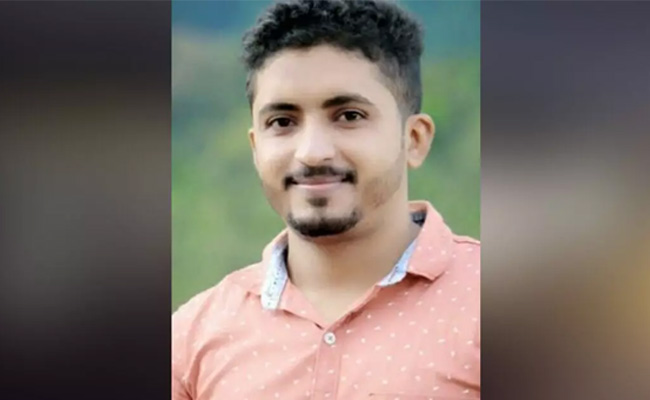
Sakleshpur: In a tragic incident reported from the taluk, a 28-year-old man who was on the way to his pre-wedding shoot died as his car rammed into a roadside tree.
The deceased groom, identified as Manu LN, was a resident of Darbarpet in Lakkunda village, Belur taluk, and was to get married on May 10.
Manu was traveling in his car to get his bride for the shoot when he lost control over the car near Moogali of Sakleshpur taluk and the vehicle hit a tree beside the road.
Manu is learned to have died on the spot due to the impact of the collision.