14,000 people, who are over 100 years old, will vote this time in Bihar
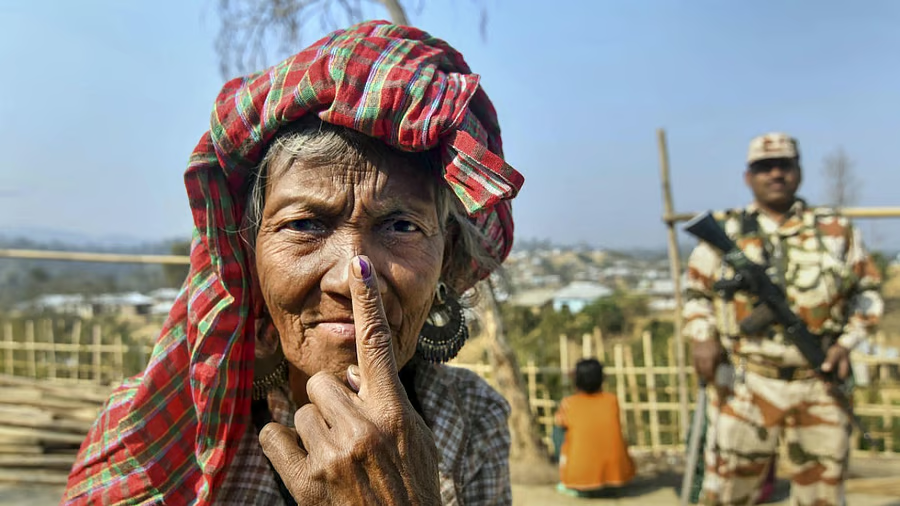
Patna (PTI): There are about 14,000 voters, who are more than 100 years old, in Bihar, according to data shared by the Election Commission.
However, the number of voters in the 'very senior citizens' category -- those aged 85 and above -- saw a sharp decline after the Special Intensive Revision (SIR) of electoral rolls.
According to data, there were 16,07,527 voters aged above 85 on January 1, which dropped to 4,03,985, following the SIR.
The number of female voters also reduced from 3.72 crore on January 1 to 3.49 crore after the SIR. The count for male voters fell from 4.07 crore to 3.92 crore. The number of voters belonging to the third gender category also reduced from 2,104 to 1,725.
Elections to the 243-member Bihar assembly will be held in two phases, on November 6 and 11.
The EC did not share district-wise age data or details of voters removed due to death.
Before the revision exercise began, Bihar had 7.89 crore voters. During the process, 65 lakh names were deleted, and the draft rolls published on August 1 listed 7.24 crore electors.
Subsequently, 3.66 lakh ineligible voters were removed and 21.53 lakh new ones added through Form 6 applications, taking the final figure to 7.43 crore.
Let the Truth be known. If you read VB and like VB, please be a VB Supporter and Help us deliver the Truth to one and all.
Accept Congress decision appointing V D Satheesan as Kerala CM: K C Venugopal
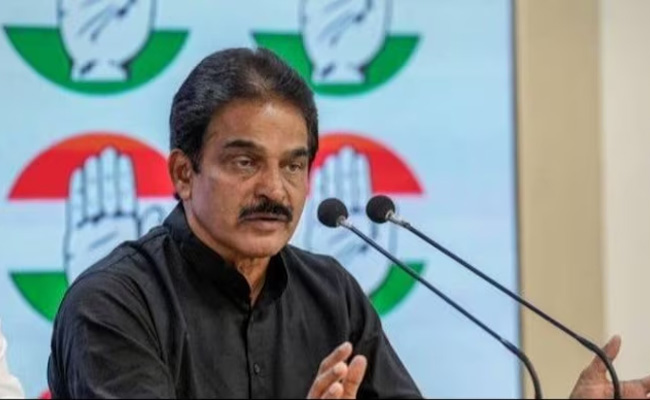
Thiruvananthapuram/New Delhi (PTI): Congress general secretary (organisation) K C Venugopal on Thursday accepted the party decision to select V D Satheesan as the chief minister of Kerala and congratulated him.
Speaking to reporters in New Delhi, Venugopal, who was one of the three persons being considered for the post, said he will provide all support to the CM and the UDF government in Kerala.
The decision comes more than 10 days after the results of the April Assembly polls in Kerala were declared.
The Congress-led UDF secured a more than two-thirds majority in the Kerala Assembly elections, but the party has been unable to decide its chief ministerial face due to lobbying by different camps and protests by workers at the ground level.
Besides, Satheesan and Venugopal, senior Congress leader Ramesh Chennithala was also in the race for the CM post.