15th generation descendants set to unite at Chammanad Mahinka family get-together in Mangaluru
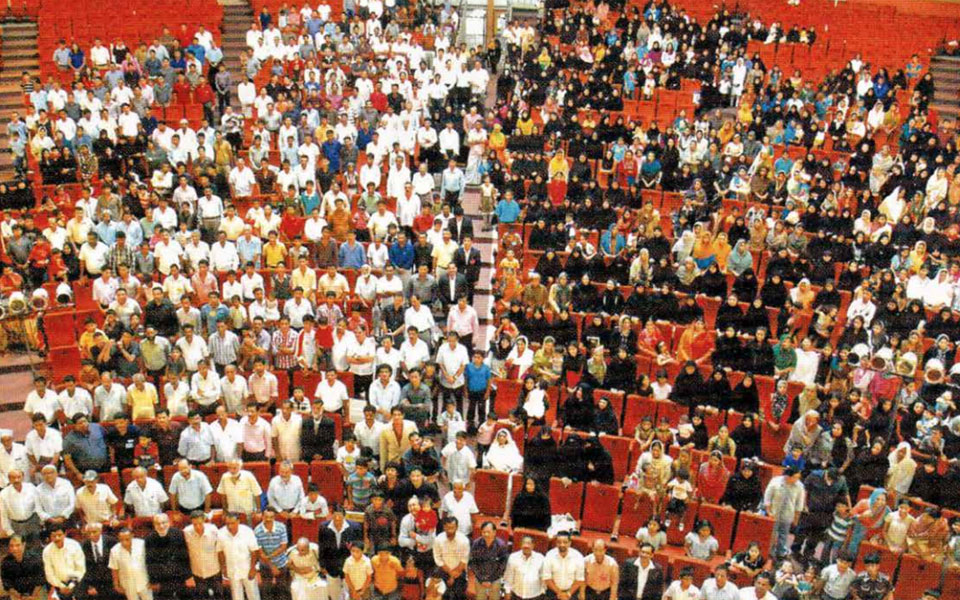
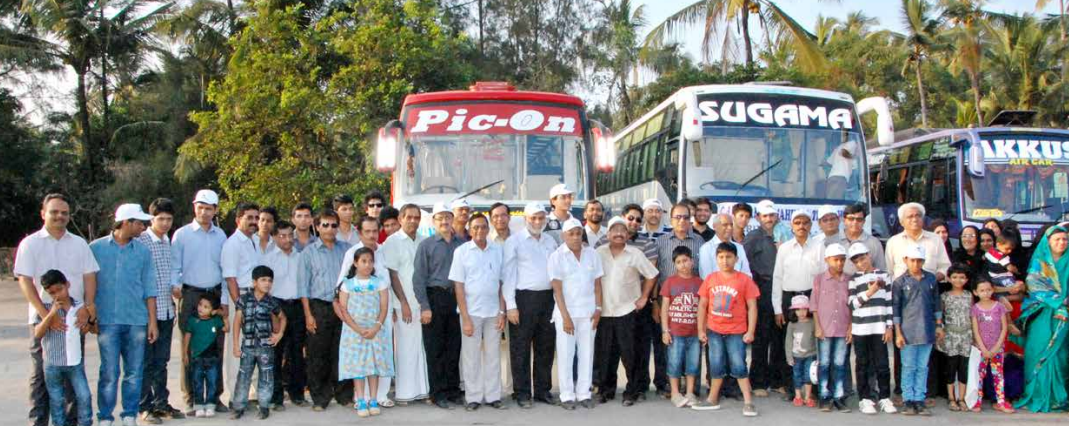
In what is set to become a remarkable testament to the enduring bonds of family and the preservation of cultural heritage, the Chammanad Mahinka lineage is set to host a grand family get-together on Sunday, January 28, 2024, at the Unity Academy Campus in Ashok Nagar, Mangaluru. This reunion holds particular significance as the family, which boasts a staggering count of over 20,000 registered descendants, has successfully spread its roots across various corners of the globe.
Chammanad Mahinka family is gearing up for a grand get-together, bringing together the 15th generation of descendants. What sets this gathering apart is not just its historical significance but also the unique opportunity it presents to connect with family roots and celebrate the enduring legacy of Chammanad Mahinka. Unlike the frequent get-togethers that punctuate family life, this event serves as a rare convergence of generations spanning centuries, offering a platform for shared stories, cultural exchange, and the passing down of familial traditions.
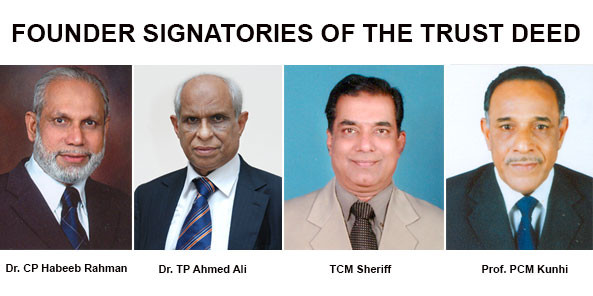
Behind the scenes, there's a trust that looks after the family's rich history. The trust was founded by Dr. CP Habeeb Rahman, Dr. TP Ahmed Ali, TCM Sheriff, and Prof. PCM Kunhi. Dr. CP Habeeb Rahman, the chairman of this trust, is excited about the upcoming gathering. The trust's primary objectives are twofold: firstly, to affirm the lineage's historical contributions in the domain of faith, practice, mercantile pursuits, ethical values, and services to religious, educational, and socio-economic development over the last two and a half centuries. Secondly, the trust aims to lay a strong foundation for consolidating these heritage elements, with the overarching goal of contributing to the spiritual, intellectual, and material growth of society.
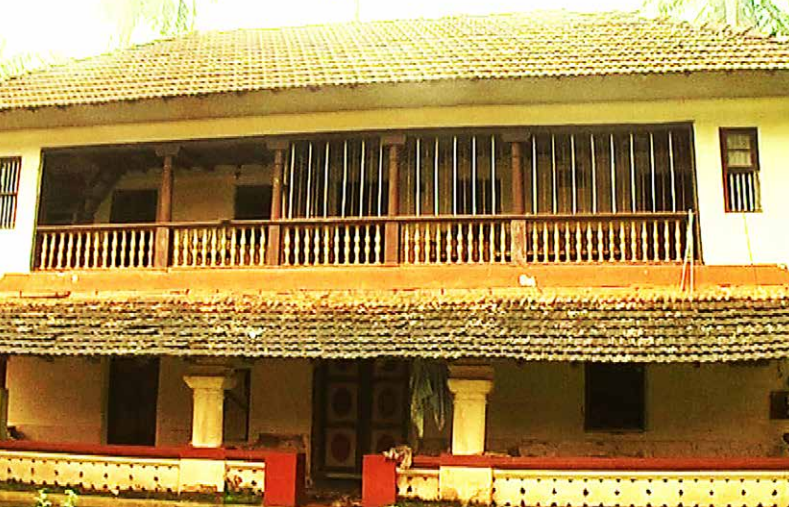
(Chammanad Mahinka ancestral home known as Maliga)
Anticipation is running high for the upcoming family gathering, with Dr. CP Habeeb Rahman expressing his eagerness to welcome nearly a thousand family members to the Unity Academy Campus. As the founding trustee, he envisions this reunion as an opportunity to not only celebrate familial ties but also to reinforce the shared commitment to the values that have shaped the Chammanad Mahinka lineage over generations.
Dr. CP Habeeb Rahman, the visionary behind the Chammanad Mahinka Trust, shared the diverse initiatives undertaken by the trust to fulfill its objectives. Among the notable initiatives, the trust is actively involved in sponsoring academic scholarships and merit awards to encourage education and career growth. Additionally, it provides valuable career counseling and placement assistance to students, ensuring they are well-equipped for the professional world.
Another important facet of the trust's work is its commitment to building strong alliances within the community. By creating avenues for parents to promote good marital alliances for their children, the trust aims to create a supportive network within the Tharawad. Furthermore, the trust seeks to perpetuate the memory of Chammanad Mahinka and other distinguished Tharawad members through various activities and programs.
In line with its broader societal goals, the trust is dedicated to promoting general awareness on significant issues affecting society. This includes pursuing academic, literary, sports, and game programs, as well as initiating social service activities and supporting poverty alleviation programs. Dr. CP Habeeb Rahman emphasized the trust's dedication to propagating spiritual, moral, and ethical values, along with principles of religion and faith.
As narrated by Dr. CP Habeeb Rahman, the tale of Chammanad Mahinka unfolds during the era of the formidable Mysore rulers, Hyder Ali and Tipu Sultan, who held sway over the Canara region from 1766 to 1792. Chammanad Mahinka, a young and enterprising individual, emerged as a key figure during this period of historical significance. His diligence and entrepreneurial spirit earned him the prestigious position of a royal merchant, appointed directly by the rulers. Notably, he had the honor of being received at the Durbar of Tipu Sultan at Sriranga Pattanam.
One enduring legacy of Chammanad Mahinka's philanthropy is the Chemnad Juma Masjid, a landmark reflecting his commitment to community welfare. Additionally, the renowned Tharawad house at Chemnad, known as Maliga, stands as a testament to his vision and contributions to the local infrastructure during those times.
Born in the year 1750 to Kumbol Hassan Musliyar, a respected Arabic and Islamic scholar residing in Kumbol, Chammanad Mahinka's roots were embedded in a vibrant trading hub of the period. Kumbol, known for its bustling trade and strategic importance due to the fort built by the Ikkery rulers, provided the initial backdrop for his journey. Hyder Ali had previously utilized this fort for military purposes.
Initiating his mercantile pursuits in this fertile environment, Chammanad Mahinka ascended to become one of the prominent merchants of his time. His strategic acumen led him to secure the role of the royal contractor for civil supplies. Choosing Chammanad, one of the largest paddy-growing villages in the Bekal Taluk, as the center of his operations, he fostered connections with the Bekal Fort administration, which was evolving into a significant military cantonment under the Mysore rulers.
In the early years of his career, he undertook a daily journey on foot from Kumbol to Chammanad, covering a distance of approximately 15 kilometers and crossing three rivers. His open-minded approach facilitated strong relationships with prominent landlords and merchants in the region. Notably, Kannan Karnawar, also known as Achambar, the head of the renowned Mavila Tharawad, emerged as his closest friend and trading associate.
The alliance between Chammanad Mahinka and Achambar went beyond business, as Achambar played a key role in arranging Chammanad's marriage to Beefathumma Vallapoth, the daughter of Vallapoth Vaidyar, a distinguished member of an eminent Muslim family in Chemnad.
“Chammanad Mahinka and Beefathumma Vallapoth were blessed with seven children, comprising four sons and three daughters, each contributing to the flourishing legacy of the Chammanad Mahinka Tharawad. The names of their children stand as testaments to the rich cultural and familial ties that continue to shape the narrative of this remarkable lineage,” Dr. CP Habeeb Rahman said.
Mahinka's strategic alliances through marital unions significantly expanded the family's influence and connections with distinguished families of his time. His eldest son, Hassan Kutty, married Puthur Beefathumma, whose lineage included the eminent Puttur Ahmed and the illustrious Kumbol Mahi Fakhi, both belonging to respected landlord families. Notably, Beefathumma's sisters formed alliances with Cherangai Soopikutty and Padoor Beeran, further integrating two prominent local families into the Tharawad of Chammanad Mahinka.
“Mahinka's daughters also played a role in extending the family network, as two of them entered into marriages with the merchant family of Kottikulam. Beeyathumma married Kottikulam-Edakkad Bappan Kutty Haji, while Khadeeja became the wife of Kottikulam-Edakkad Bava. These marital ties with a family traditionally from Edakkad in North Malabar bolstered business connections for the Mahinka family,” Dr. CP Habeeb Rahman said.
Hassan Kutty Haji, Mahinka's most prosperous son, continued to strengthen the family's reach by forging alliances with prominent families even farther away. His son Zainuddin married into the Valia Peedika family of Kaikodkadavu, Trikarpur, and his daughter Pakrichumma married Edakkavu Arabi Haji of Nileshwar. The subsequent generations sustained these influential connections, establishing relationships with notable families such as Menath Mahin, Povval Kombanthan Kunhahmad, and the Khaje Vamanjoor family of Manjeshwar. In a relatively short span of time, the Mahinka Tharawad successfully solidified its prominence in and around Kasargod Taluk of South Canara.
Within a century since Mahinka's birth in 1750, the Tharawad expanded its reach from the Nethravathi River to the Kavvayi River, covering nearly 100 kilometers of coastal belt and fallow lands in the Bekal Taluk of Canara. Evolving into wealthy landlords and recognized village leaders, the family engaged in extensive charitable works encompassing spiritual, educational, and humanitarian activities. The construction and renovation of mosques at various locations, including Chemnad, Thekkil, Kaikotkadav, Angadi Mogar, Povval, Baykare, and Adhoor, showcased the family's commitment to religious centers for the community.
“The Mahinka family also contributed to education by establishing schools in various villages. Moreover, during the month of Karkkadakkam, when agricultural activities slowed due to heavy monsoon rains, the affluent households of the Tharawad initiated public kitchen services to assist the poor and needy. A portion of the annual paddy yields was dedicated to Zakaat, strictly distributed among deserving families. This philanthropic model was sustained through the Waqaf, where large portions of land were set aside as endowments, and their produce funded the family's charitable endeavors,” Dr. CP Rahman shared.
Functioning as indigenous courts for dispute resolution and grievance redressal, the main Tharawad houses played a crucial role in local administration. Referred to collectively as Kachodakkar, a mark of honor, family members took on the responsibilities of Potails during the British rule. This hereditary position, an integral part of the three-tier revenue administrative system introduced by Tipu Sultan and continued by the British, made them community leaders. However, with the establishment of the Kerala State in 1956, the system of hereditary Potailship was abolished.
By the third generation of Chammanad Mahinka's descendants, the family had established a considerable presence in the then Bekal Taluk, now known as Kasargod District, stretching from Trikarpur to Manjeshwar. As time progressed, the family's reach expanded, and by the seventh generation, they had spread across Kerala, Dakshina Kannada, and even reached a few cities in other South Indian states. Remarkably, the family's influence reached beyond national borders, with members settling in Sri Lanka and other overseas locations.
The early generations received their education under the guidance of renowned Arabic and Islamic scholars of the time. Notably, arrangements were made for the education of women within the family, reflecting a progressive approach. The tradition of performing the Hajj pilgrimage was followed by many family members, including women.
“The Chammanad Mahinka family has been a prolific producer of prominent citizens, contributing to various fields such as social work, academics, spirituality, politics, and bureaucracy. The family's notable figures include thinkers, spiritual scholars, academicians, social workers, freedom fighters, political leaders, and bureaucrats, showcasing the diverse talents within the Tharawad,” Dr. CP Habeeb Rahman said.
“The endeavor to document the family's genealogy began with Mammunhi Musaliyar, a son of Bappankutty Musaliyar of Kottikulum. He, along with other contributors like Chemmad Andru Musaliyar, Chekkarankode Hassan Kutty Musliyar of Kalanad, and Mr. Mahin Schemnad, a retired police inspector and former M.L.A. of Madras Assembly, initiated the first known effort to compile the genealogical data of the Chammanad Mahinka family. This historical work, completed in 1930 AD (1352 H.), was prepared in Arabic and covered five generations of descendants,” he added.
“In later years, Ahmed Kutty Sherule, a scholar and researcher, along with AQ Schemnad, translated the Arabic document into Malayalam. Following A.Q. Schemnad's demise, a comprehensive family chart of the Tharawad was produced in two manuscript volumes, containing approximately 2500 names of seven generations of descendants,” Dr. CP Habeeb Rahman said.
.jpg)
A Q. Schemnad's passing in 1999 led to the continuation of the genealogical efforts by a group of academically inclined descendants. The task of updating the records became more challenging as the family reached the 14th generation of Chammanad Mahinka's lineage. Presently, it is estimated that about 50,000 living descendants, scattered across the globe, need to be incorporated to bring the genealogical records up to date.
In response to this challenge, the Chammanad Mahinka Family Foundation has taken a proactive approach to streamline the task of collating family data. The foundation employs electronic processing for data compilation, validation, and dissemination. With machinery in place for fieldwork, a dedicated website, personal contacts, and a combination of print and digital media, the foundation aims to preserve and share the rich genealogical history of the Chammanad Mahinka family.
"Chammanad Mahinka Tharawad family has a well documented and authenticated history of 250 years. Presently estimated to be approximately 50,000 members dispersed into different parts of the world. Every generation has left a legacy. The primary success of the family was their religious faith and practices, involvement in education, agriculture and trading. Recently the family has spread into tens of thousands of people dispersed all over the world. We, the trustees have taken considerable interest to renew this family tree and maintain its heritage. The younger generation has awakened to the family values and I am happy to know that they are actively involved in promoting the family legacy," Dr C P Habeeb Rehman, Chairman, Chammanad Mahinka Trust.
Let the Truth be known. If you read VB and like VB, please be a VB Supporter and Help us deliver the Truth to one and all.
EC role, Hindu vote consolidation among factors for BJP win in Bengal polls: J-K CM Omar
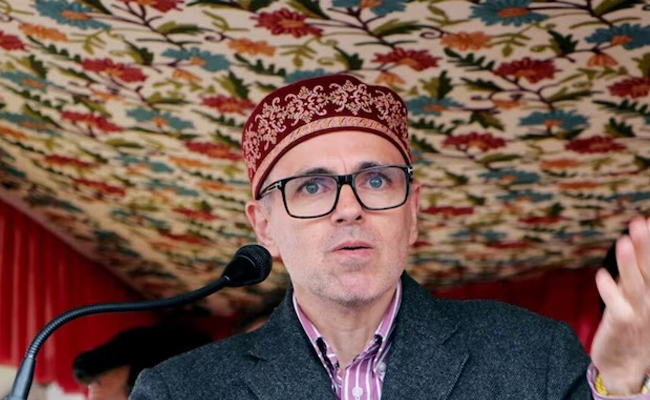
Srinagar (PTI): Jammu and Kashmir Chief Minister Omar Abdullah on Tuesday attributed the BJP's West Bengal win to a "significant role" played by the Election Commission (EC), alongside a consolidation of Hindu votes and a fractured minority mandate.
Abdullah also said the INDIA bloc needs to define its role in the political landscape of the country and make it clear whether the opposition alliance was limited to the parliamentary elections or extended to the state elections as well.
Talking to PTI Videos, Abdullah hinted that the EC has compromised its neutrality by conducting the Special Intensive Revision (SIR) in West Bengal and linked it to the BJP's gains in the state, claiming large-scale deletion of legitimate voters.
On the performance of the BJP in the just concluded assembly elections, Abdullah said the saffron party has almost nothing to show in southern states.
"So then you look at West Bengal and Assam. Yes, the BJP improved its tally in Assam. There are various reasons for that. You know as well as I do, what those are. West Bengal, I think we need to look at the results very carefully," he said.
"The easiest explanation for the West Bengal result is the serious curtailing of voter list," Abdullah said.
"Voters found their names deleted. People who served in uniform and fought for this country on the borders, who were considered Indian citizens all their lives, were suddenly held to a higher standard and not allowed to vote. Something is not right," he said.
While alleging that the EC played a "significant part" in the results, the chief minister admitted the outcome was multifaceted and noted a consolidation of over 60 per cent of the Hindu vote towards the BJP and a "significant fracture" in the minority vote, particularly in seats where Muslims constitute over 50 per cent of the population.
"There is no doubt that the role of the Election Commission played a significant part in the results but we will also have to look at the other factors," he said.
He said the results of West Bengal cannot be compared to those in other states. "The situation was unique to West Bengal. The SIR that was done, the way in which the voter lists were changed, the sort of minute scrutiny that the Election Commission subjected West Bengal to, the role of the central investigative agencies.
"All of these are situations that at least in recent electoral history of India are unique to West Bengal. So to suggest that we can learn lessons from West Bengal and implement them in other parts of the country, I think would not be correct," he said.
Abdullah had recently said that if the West Bengal results throw a surprise, the role of EC will come under scrutiny.
However, during Tuesday's interview, the chief minister said he still maintains that electronic voting machines (EVMs) do not lead to vote theft.
"What we saw in West Bengal...I know there are a lot of people who believe that the EVMs themselves are flawed. I am not a proponent of that conspiracy theory.
"But I do believe that the Election Commission has done itself no favours in the way in which it has gone about both the process of delimitation and the process of finalisation of electoral rolls," he said and cited the example of delimitation exercise in Jammu and Kashmir or Assam.
"These are clear examples of how the process was done to benefit one party or in the case of Jammu and Kashmir, one party and its allies. And the results speak for themselves. You created seven new seats in Jammu and Kashmir and out of those six seats were won by the BJP. You redrew assembly constituencies to benefit one particular party or its allies. And the same is true for West Bengal as well," he said.
Referring to the INIDA bloc, he said the election results were no new message for the alliance.
"We need to decide what the INDIA bloc is for. Is it only for Parliament or for state elections as well?" he asked.
"What happened in West Bengal is unfortunate. The Congress and TMC fought against each other. Now the Congress agrees with Mamata Banerjee that 100 seats were stolen, but the fact is they fought each other," he said.
Despite the friction, Abdullah reaffirmed the "pre-eminent position" of the Congress within the opposition alliance, dismissing the idea of any other party assuming the mantle.
"The Congress is the only party other than the BJP with a pan-India presence. All of us acknowledge this," he stated.
"To suggest someone else can assume a leadership role would be incorrect. Kharge Sahib is the president of the Congress, and by virtue of that, he assumes leadership of the INDIA bloc meetings. That is the way it should be," the chief minister said.
Abdullah said any 'Common Minimum Programme' would depend on whether the opposition alliance decides to fight state assembly elections collectively, noting that he would share his specific views with the bloc internally rather than through the media.