
2002 Gujarat riots: Nanavati panel gives clean chit to Ex-CM Modi
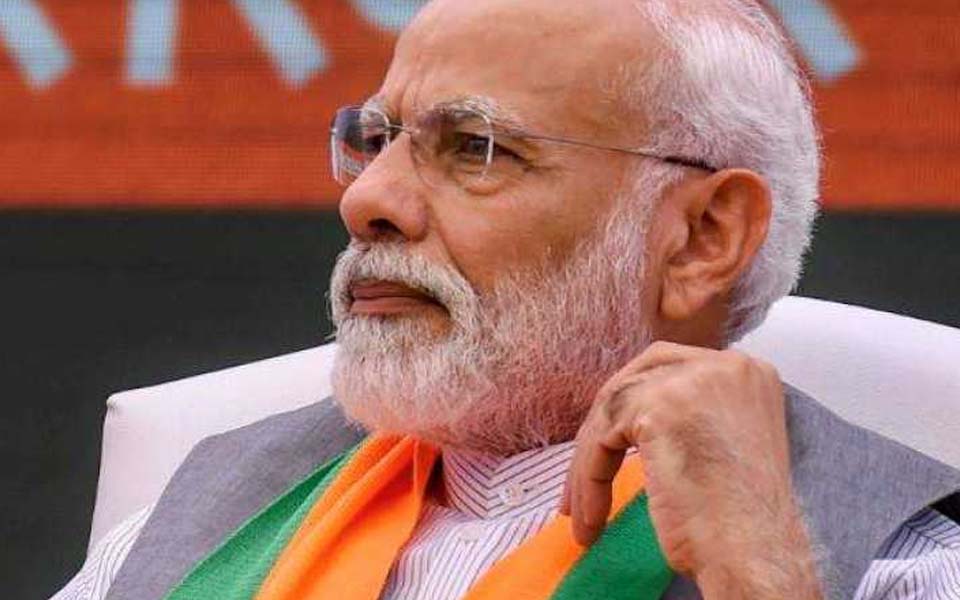
Gandhinagar, Dec 11: The Nanavati Commission has given a clean chit to the then Gujarat chief minister Narendra Modi-led government in the 2002 riots in the state where over 1,000 people, mostly of the minority community, were killed.
The commission's report was tabled in the Gujarat Legislative Assembly by Minister of State for Home Pradeepsinh Jadeja on Wednesday, five years after it was submitted to the then state government.
"There is no evidence to show that these attacks were either inspired or instigated or abated by any minister of the state," the commission said in its report, which runs into over 1,500 pages and is compiled in nine volumes.
It said the police at some places were ineffective in controlling the mob because of their inadequate numbers or because they were not properly armed.
On some communal riot incidents in Ahmedabad city, the commission said, "The police had not shown their competence and eagerness which was necessary."
The commission has recommended inquiry or action against the erring police officers.
Former Supreme Court Justice G T Nanavati (retd) and ex-Gujarat High Court Justice Akshay Mehta (retd) had in 2014 submitted their final report on the 2002 riots to the then state chief minister Anandiben Patel.
The commission was appointed in 2002 by the then state chief minister Narendra Modi to probe the riots, that took place after the burning of two coaches of the Sabarmati Express train near Godhra railway station, in which 59 'karsevaks' were killed.
Let the Truth be known. If you read VB and like VB, please be a VB Supporter and Help us deliver the Truth to one and all.
Karnataka issues nutrition advisory for govt events; recommends millets, healthier options
_vb_61.jpeg)
Bengaluru (PTI): The Karnataka government on Monday issued a nutrition advisory recommending healthier food and beverage options at meetings, functions, and other official gatherings held in the state.
The advisory has been issued by the Department of Karnataka Health and Family Welfare Services to promote healthy dietary and nutritional habits among officials and staff, noting that food, refreshments and beverages served in government offices and official programmes are "often not aligned with nutrition standards."
The advisory recommends serving snacks such as millet-based, low-fat and low-sugar foods, fresh fruits, vegetable salads, sprouts, roasted nuts and seeds during in-house office meetings and breaks.
Beverages such as green tea, low-fat buttermilk, and locally filtered or boiled water served in glass bottles or steel flasks have also been suggested.
According to the advisory, for larger government events, conferences and exhibitions, departments have been advised to include at least one millet-based item during snacks and a minimum of two millet dishes in meals, along with local cuisine and at least one regional recipe.
It also recommends the use of brown rice instead of white rice, freshly prepared vegetable salads, and fresh fruits or low-sugar fruit juices.
If non-vegetarian food is served, it should consist of well-cooked lean or white meat, the advisory stated.
In eateries operating within government office campuses, the department has recommended millet-based foods, fresh vegetable salads, boiled pulses such as horse gram or chickpeas, and low-fat beverages.
It suggests serving food using reusable metal plates and glasses.
The advisory also recommends avoiding microwave-heated food, industrially processed food, fried snacks, high-fat or heavily spiced dishes, carbonated drinks, high-sugar fruit juices, and alcoholic beverages.
It further discourages serving milk-based tea or coffee and plastic-bottled water during official events.
“Overall, hygiene and cleanliness should be maintained while serving food and water. Local cottage industries, self-help groups, prison kitchens, nutri-gardens and others should be preferred for placing food and beverage orders,” the advisory added.
_vb_54.jpeg)
_vb_07.jpeg)
_vb_34.jpeg)