2020 Delhi Riots: No compensation for Muslim victims even after five years
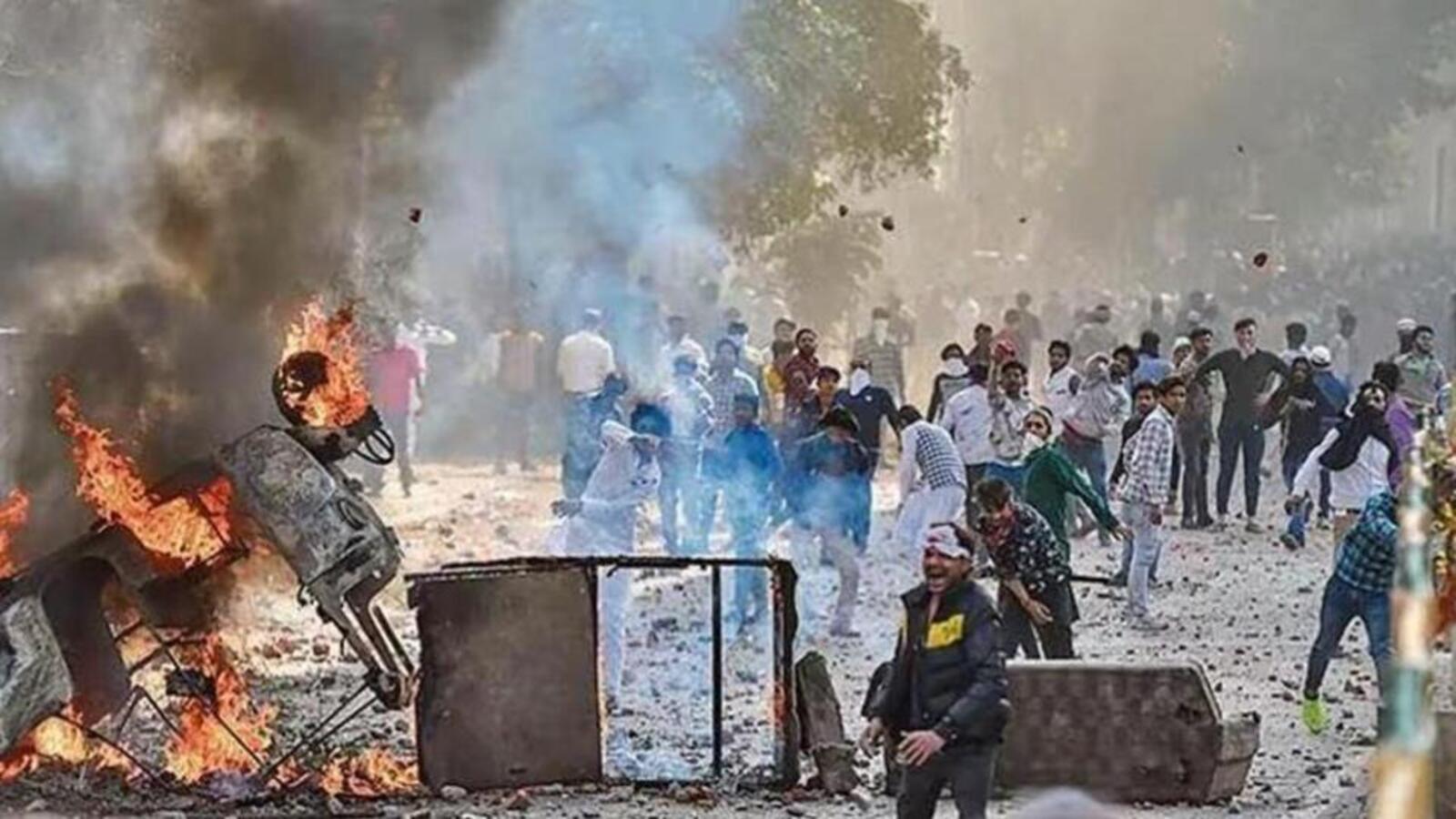
New Delhi: Five years after the 2020 Delhi riots, a report by Karwan-e-Mohabbat has revealed that survivors, predominantly Muslims, have not received adequate compensation, despite multiple approvals by the North East Delhi Riots Claims Commission (NEDRCC). The report, The Absent State: Comprehensive State Denial of Reparation and Recompense to the Survivors of the 2020 Delhi Pogrom, highlights systemic failures by both the state and Union governments.
According to the report, Muslims were the most affected community in the riots, with 114 cases of property damage, 25 injuries, and a total of 139 cases recorded. In contrast, only five cases—three of property damage and two of injuries—were reported from other communities. Despite the Delhi government initially requesting ₹153 crore for relief, only ₹21 crore was sanctioned, and no compensation has been disbursed.
The commission, established to assess property losses, has neither conducted public hearings nor engaged with survivors. Many victims who submitted claims were not given receipts, leaving them uncertain about the status of their applications. An RTI filed by Karwan-e-Mohabbat seeking details on evaluation procedures received no response. Of the 146 documented cases for compensation, 81% involved property damage and 18% physical injuries, yet none resulted in payments.
The report also criticised the Delhi government's approach, noting that no dedicated relief camps were set up initially, and pre-existing homeless shelters were repurposed instead. Compensation amounts for riot victims were significantly lower than those given after the 1984 anti-Sikh violence, with the Delhi government transferring the responsibility to NEDRCC via the High Court instead of addressing it directly.
Muslims, who suffered the most, continue to face financial hardships, medical emergencies, and disruptions in education. Many remain unaware of compensation procedures due to poor communication and shifting deadlines. The report further notes that while police investigations led to the arrest of Muslim activists, politicians who made incendiary speeches remain unpunished.
Bureaucratic delays and government inaction have prolonged the distress of survivors, leaving them without justice or financial support even five years after the violence.
Let the Truth be known. If you read VB and like VB, please be a VB Supporter and Help us deliver the Truth to one and all.
Sujit Nair raises concerns over speculation of DMK-AIADMK understanding to block TVK
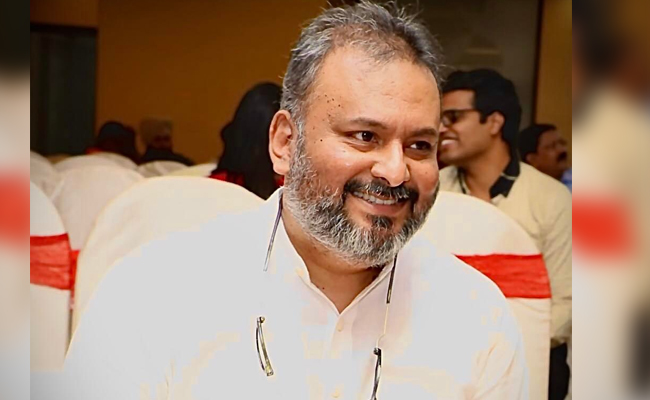
Chennai: Journalist and political commentator Sujit Nair has expressed concern over speculation that the Dravida Munnetra Kazhagam and the All India Anna Dravida Munnetra Kazhagam could explore a post-poll understanding to prevent Vijay-led Tamilaga Vettri Kazhagam from forming the government in Tamil Nadu.
In a social media post, Sujit Nair said the election verdict in Tamil Nadu reflected a clear public demand for political change and argued that the mandate should be respected irrespective of political preferences.
Referring to reports and political discussions surrounding a possible understanding between the DMK and AIADMK, he said he hoped such developments remained only speculative conversations and did not turn into reality.
Nair stated that if such an alliance were to take shape, it would raise serious questions about ideological politics in the country. He said TVK had emerged through a democratic electoral process and that the legitimacy to govern in a parliamentary democracy comes from the people’s verdict.
According to him, attempts to prevent an electoral winner from forming the government through unexpected political arrangements may be constitutionally valid, but many people could view them as politically opportunistic.
He further said that such a move could particularly affect the political image of the DMK, which has historically projected itself around ideology, social justice and opposition politics. Nair said that in ideological terms, the DMK appeared closer to TVK than to the AIADMK, and joining hands with its long-time political rival only to remain in power could weaken its broader political narrative.
He added that the same questions would apply to the AIADMK as well, as the party had spent decades positioning itself against the DMK and such an arrangement could create discomfort among its cadre and supporters.
Drawing a comparison with Maharashtra politics in 2019, Nair said he had expressed similar views when the Shiv Sena formed an alliance with the Indian National Congress and the Nationalist Congress Party after the Assembly elections.
He said post-poll alliances between long-standing political rivals often create a public perception that ideology and electoral mandates become secondary when political power equations come into play.
Nair also said such developments increase public cynicism towards politics and reinforce the belief among voters that ideology is often sidelined after elections.
He maintained that the Tamil Nadu verdict was emphatic and said respecting both the spirit and substance of the mandate was important for the credibility of democratic politics.