21 river sites in severe flood, 33 above normal across India: CWC
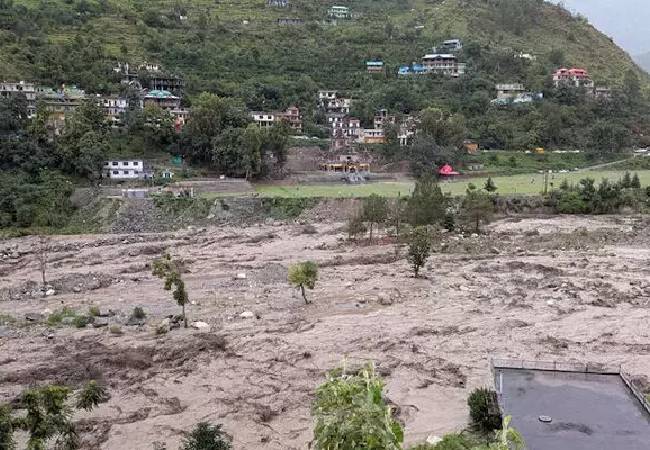
New Delhi (PTI): Twenty-one monitoring stations, including one in Delhi, have reported rivers in "severe flood situation," while 33 others are flowing above the normal level, the Central Water Commission (CWC) said on Wednesday.
The nationwide flood alert comes amid heavy rainfall forecasts for several states in the coming days.
Of the 21 severe flood locations, nine are in Bihar, eight in Uttar Pradesh and one each in Delhi, Jammu and Kashmir, West Bengal, and Jharkhand.
The 33 above-normal sites are spread across Uttar Pradesh (9), Bihar (7), Assam (7), Uttarakhand (2), Odisha (2), Telangana (2), and one each in Andhra Pradesh, Maharashtra, Rajasthan and West Bengal.
In Delhi, the Yamuna at the railway bridge site is in severe flood conditions.
Northern hill states remain on high alert.
Himachal Pradesh and Uttarakhand are set to receive very heavy to extremely heavy rain, with sudden water level rises expected in the Beas, Sutlej, Chenab, Ravi, Alaknanda and Bhagirathi rivers.
In Jammu and Kashmir, flooding risks are high in the Chenab, Tawi, Jhelum and Indus basins, particularly in Kishtwar, Doda, Kathua, Anantnag, and Pulwama districts.
Punjab and Haryana are bracing for inflows in the Ravi, Beas, Sutlej, Ghaggar and Yamuna rivers, while in Uttar Pradesh, the Ganga, Yamuna, Ghagra, Ramganga, and Sharda rivers are expected to continue rising in multiple districts.
In Bihar, several stretches of the Ganga, Kosi, Gandak, and Burhi Gandak remain in severe flood, particularly in Bhagalpur, Patna, Khagaria, and Siwan.
Assam is witnessing above-normal to severe conditions in the Buridehing and Beki, while Jharkhand has reported a severe flood in the Ganga at Sahibganj.
Madhya Pradesh, Maharashtra, Gujarat, and Chhattisgarh are reporting rising levels in the Tapi, Narmada, Mahi, Krishna, and Mahanadi basins.
Major reservoirs such as Ukai, Sardar Sarovar, Tehri, Hathnikund, Koyna, and Hirakud are expected to receive above-threshold inflows.
In the south, dams in the Cauvery basin, including Mettur, Kabini, Hemavathi and Krishnarajasagar, are nearly full, raising concerns of downstream flooding if heavy rainfall persists.
Let the Truth be known. If you read VB and like VB, please be a VB Supporter and Help us deliver the Truth to one and all.
Karnataka School Edu Dept prohibits children from being made to dance to obscene songs
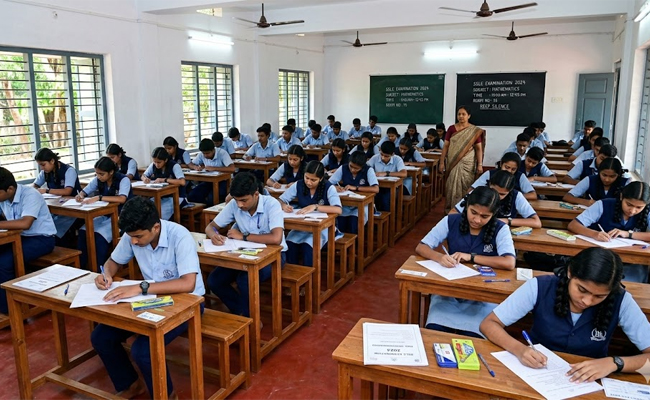
Bengaluru (PTI): The Karnataka School Education Department has issued a circular strictly prohibiting children from being made to dance to obscene songs in educational and cultural programmes.
It stated that such dances would negatively impact students' mental health and moral values. It will create indiscipline and harm the sanctity of education.
"All the Deputy Directors (Administration) of the state's School Education Department have been asked to take strict measures to prevent children or students from dancing to obscene songs in all government, aided and unaided schools in the state," the office of the commissioner of the School Education Department said in a recent circular.
"If it is found that children are being made to dance to obscene songs, appropriate action will be taken against the headmaster or management of such school," it added.
The department also listed certain measures in this regard, which include: strictly prohibiting children from being made to dance to obscene songs during educational and cultural programmes; selecting songs that are inspiring, positive, instilling national pride in children and reflecting the greatness, dignity, values, culture, and morality of the state.
Stating that the school headmaster and management are responsible for selecting songs and dances for cultural programmes, it said, they should also ensure that students wear decent clothes in dance or cultural programmes.