210 Maoists surrender in Chhattisgarh; CM Sai calls it a 'historic day'
Jagdalpur (PTI): As many as 210 Maoist cadres, including one Central Committee member, surrendered before authorities in Chhattisgarh’s Jagdalpur on Friday, making it the largest mass surrender in the history of anti-Naxal operations in the state, officials said.
With this, a total of 238 Naxalites have quit the path of violence and joined the mainstream in the state in the last three days as 28 others had surrendered on Wednesday.
Hailing the development, Chief Minister Vishnu Deo Sai said it was a historic day not only for Bastar but for Chhattisgarh and the entire nation
According to officials, Friday's mass surrender - the largest in the history of anti-Naxal operations in the state - marks a decisive turning point in the government's ongoing campaign to eliminate Left-Wing Extremism.
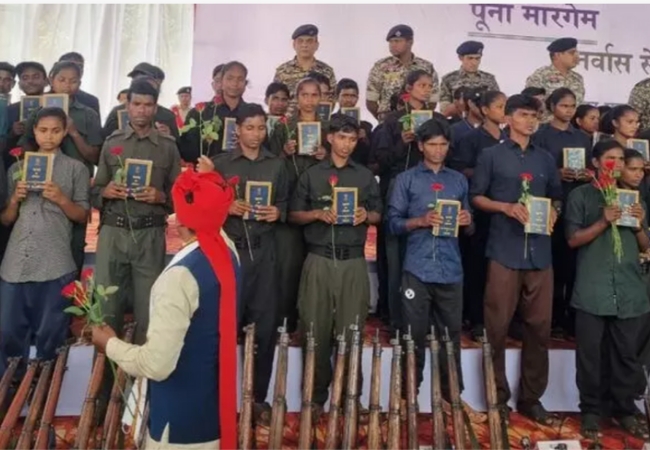
All the cadres, who surrendered before the police and paramilitary officials in Jagdalpur, the headquarters of the Bastar district, were formally welcomed into the mainstream by tribal community leaders and priests who greeted them with red roses, symbolising love, peace and a new beginning.
The surrendered cadres, senior police and paramilitary officials and tribal community leaders later posed for photographs.
The banner behind the stage, where cadres posed for photograph, read 'Poona Margem - Punarwas se Punarjeevan- Maoist cadres rejoining the mainstream'.
Poona Margem is a rehabilitation initiative launched by Bastar Range police for Naxalites.
Addressing a press conference later, CM Sai said 210 brothers and sisters who were misguided and detached from society rejoined the mainstream today, showing faith in the Constitution, the path of non-violence as shown by Mahatma Gandhi, and the state's rehabilitation policy.
The surrendered cadres include top-rung leaders to lower-rung members, he said, congratulating and wishing them well for their future.
The state's Surrender and Rehabilitation policy has multiple provisions, including financial assistance, land benefits, benefits in the new Industrial policy and linking them with employment, he added.
The historic event is seen as a result of the central and state governments' comprehensive anti-Naxal strategy, supported by sustained efforts from the police, security forces, local administration, and the active participation of aware and vigilant communities, he said.
Senior Maoist leaders who surrendered include Rupesh alias Satish, a Central Committee member; Bhaskar alias Rajman Mandavi, Ranita, Raju Salam, Dhannu Vetti alias Santu - all four Dandakaranya Special Zonal Committee (DKSZC) members, and Ratan Elam, a Regional Committee Member, officials said.
The surrendered Maoists handed over 153 weapons, including 19 AK-47 rifles, 17 Self-Loading Rifles, 23 INSAS rifles, an INSAS LMG (light machine gun), thirty six .303 rifle, four Carbine and 11 Barrel Grenade Launcher (BGL), a police official said.
On October 2 , as many as 103 Naxalites, 49 of them carrying a collective bounty of more than Rs 1.06 crore, had surrendered in Bijapur district of Bastar region.
Union Home Minister Amit Shah has repeatedly underlined the government's resolve to eradicate Naxalism, largely concentrated in Chhattisgarh's Bastar region, by March 31, 2026.
On Thursday, Shah declared two worst-hit regions of Chhattisgarh, Abujhmarh and North Bastar, free from Naxal terror and made it clear that those willing to surrender are welcome, but those who continue to wield guns will face the wrath of security forces.
Let the Truth be known. If you read VB and like VB, please be a VB Supporter and Help us deliver the Truth to one and all.
Trump says suspect was armed with multiple weapons at WH correspondents' dinner
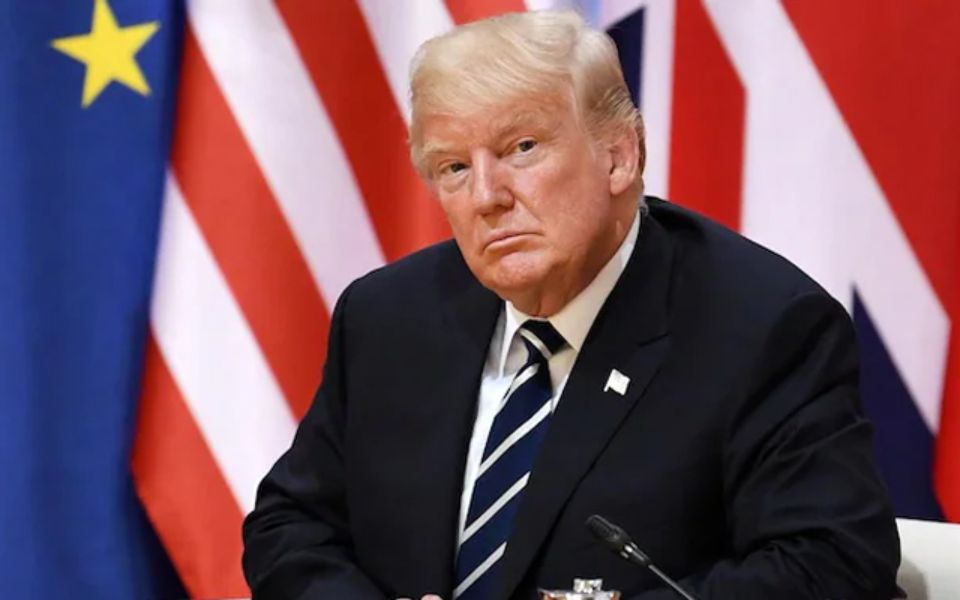
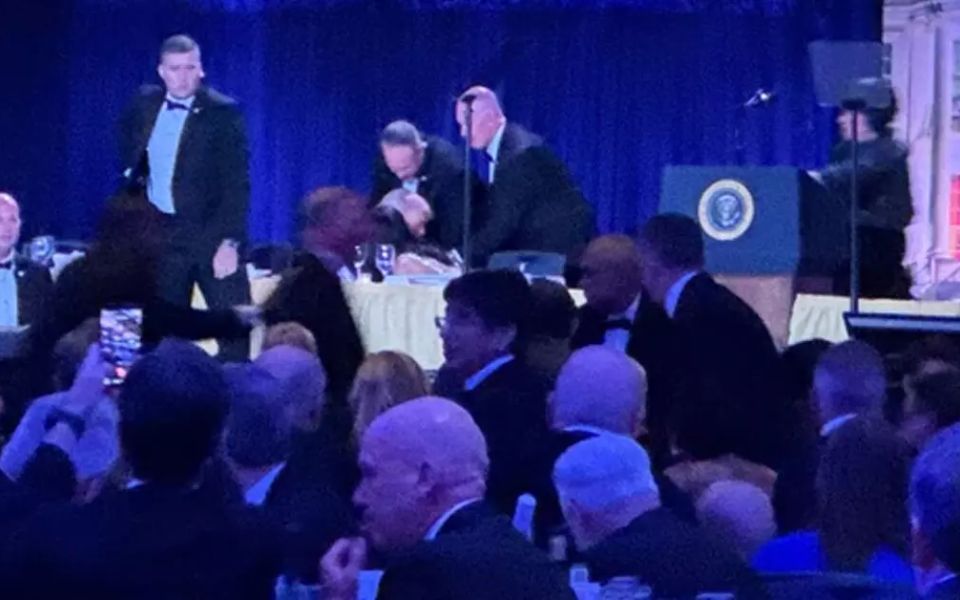
Washington (PTI): President Donald Trump is addressing reporters at the White House after he and other top leaders of the United States were evacuated from an annual dinner of White House correspondents on Saturday night after a shooting incident outside the ballroom.
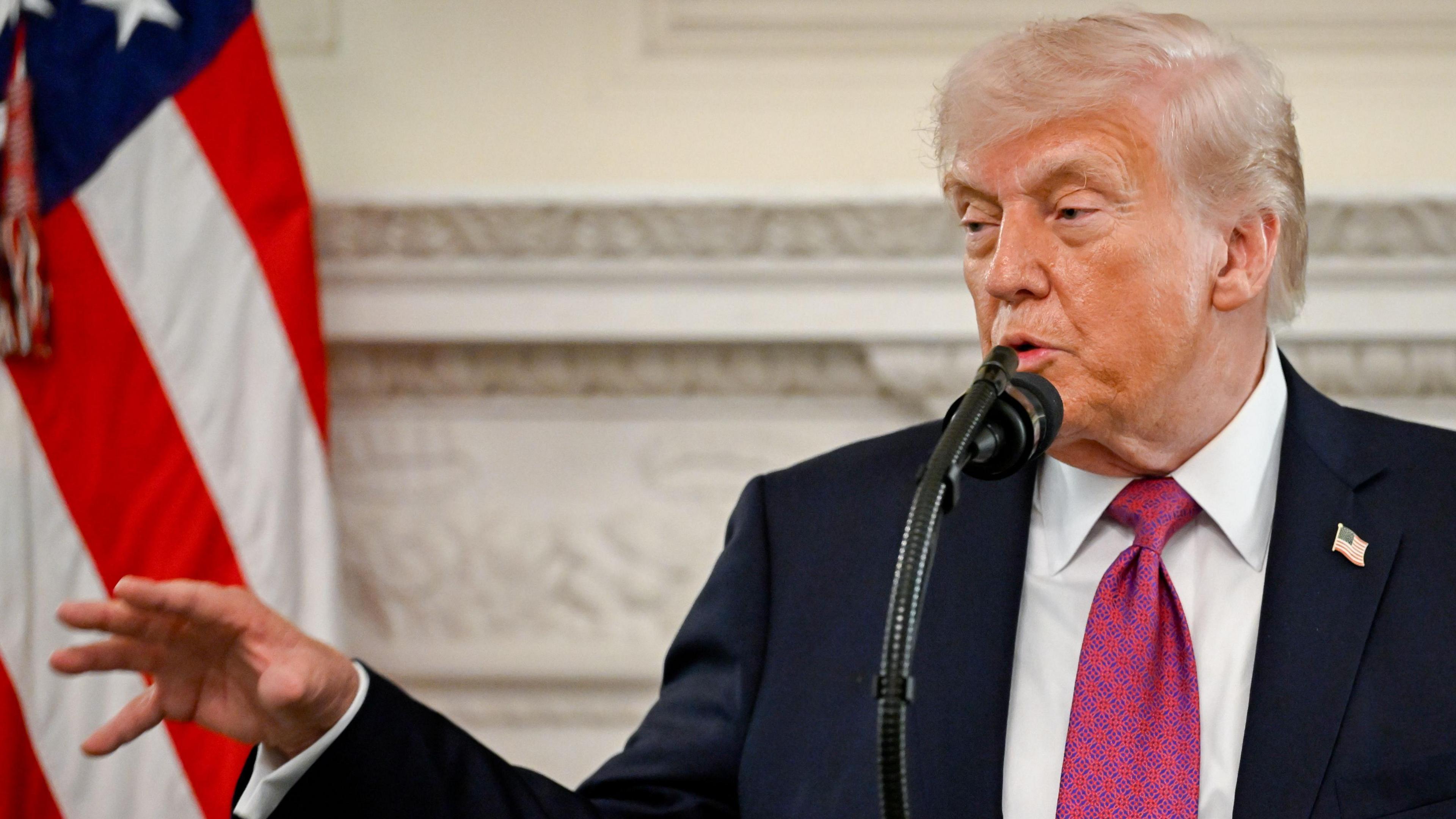
Trump said the suspect was armed with multiple weapons before stopped by Secret Service. One officer was shot, but he was protected by a bulletproof vest.
“He was shot from very close distance with a very powerful gun, and the vest did the job,” Trump said.