40% of chief ministers face criminal cases: ADR

New Delhi, Aug 22 (PTI): Of the 30 chief ministers in the country, 12 of them, or 40 per cent, declared criminal cases against themselves, according to a new report by poll rights body ADR.
Telangana CM Revanth Reddy has declared 89 cases against him, the highest, followed by Tamil Nadu CM M K Stalin, who declared 47.
Andhra Pradesh CM Chandrababu Naidu declared 19, Karnataka CM Siddaramaiah declared 13, and Jharkhand CM Hemant Soren declared five cases.
Maharashtra and Himachal Pradesh chief ministers Devendra Fadnavis and Sukhvinder Singh declared four cases each, Kerala CM Pinarayi Vijayan declared two, and Punjab CM Bhagwant Mann declared one case.
The report comes as the government brings three bills that seek the removal of the prime minister, chief ministers, and ministers arrested for 30 days on serious criminal charges.
According to the report by the Association for Democratic Reforms, 10, or 33 per cent, of the chief ministers have declared serious criminal cases, including cases related to attempt to murder, kidnapping, bribery, and criminal intimidation against them.
The ADR said it analysed the self-sworn affidavits of all 30 sitting chief ministers in state Assemblies and Union Territories.
This data is from affidavits they filed prior to contesting their last elections.
Let the Truth be known. If you read VB and like VB, please be a VB Supporter and Help us deliver the Truth to one and all.
Yenepoya University conducts autism awareness campaign in Mangaluru
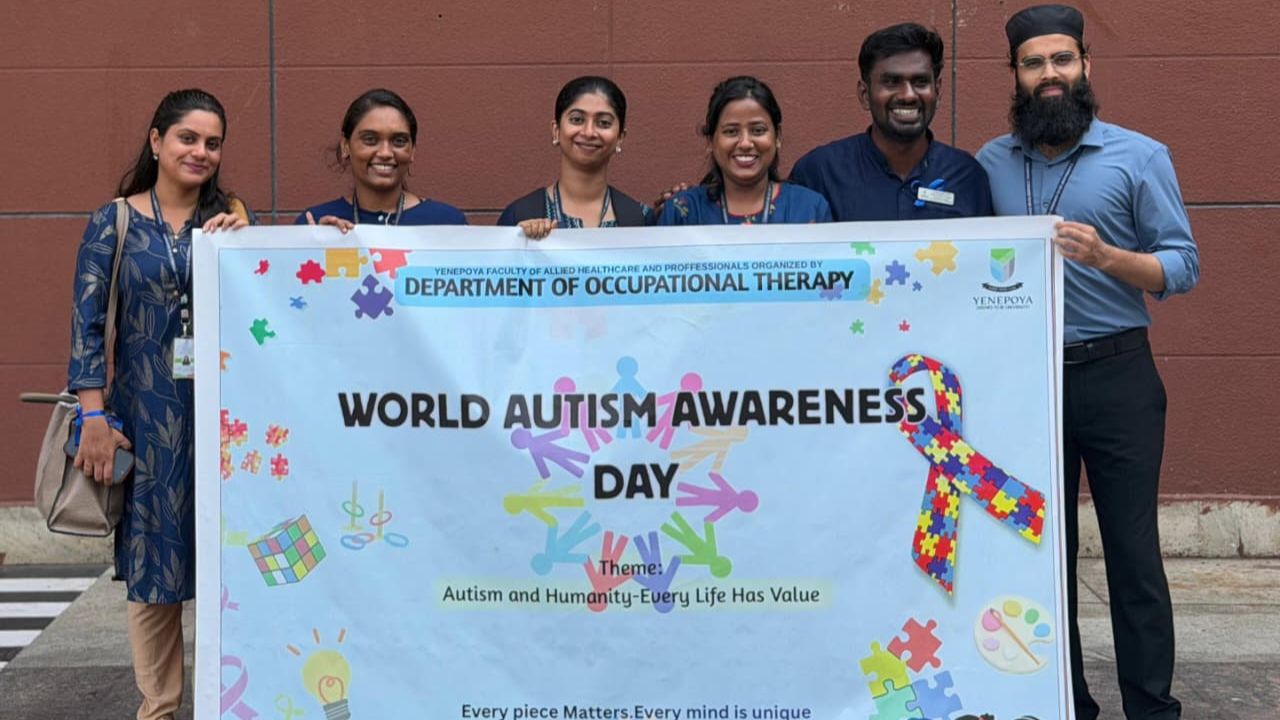
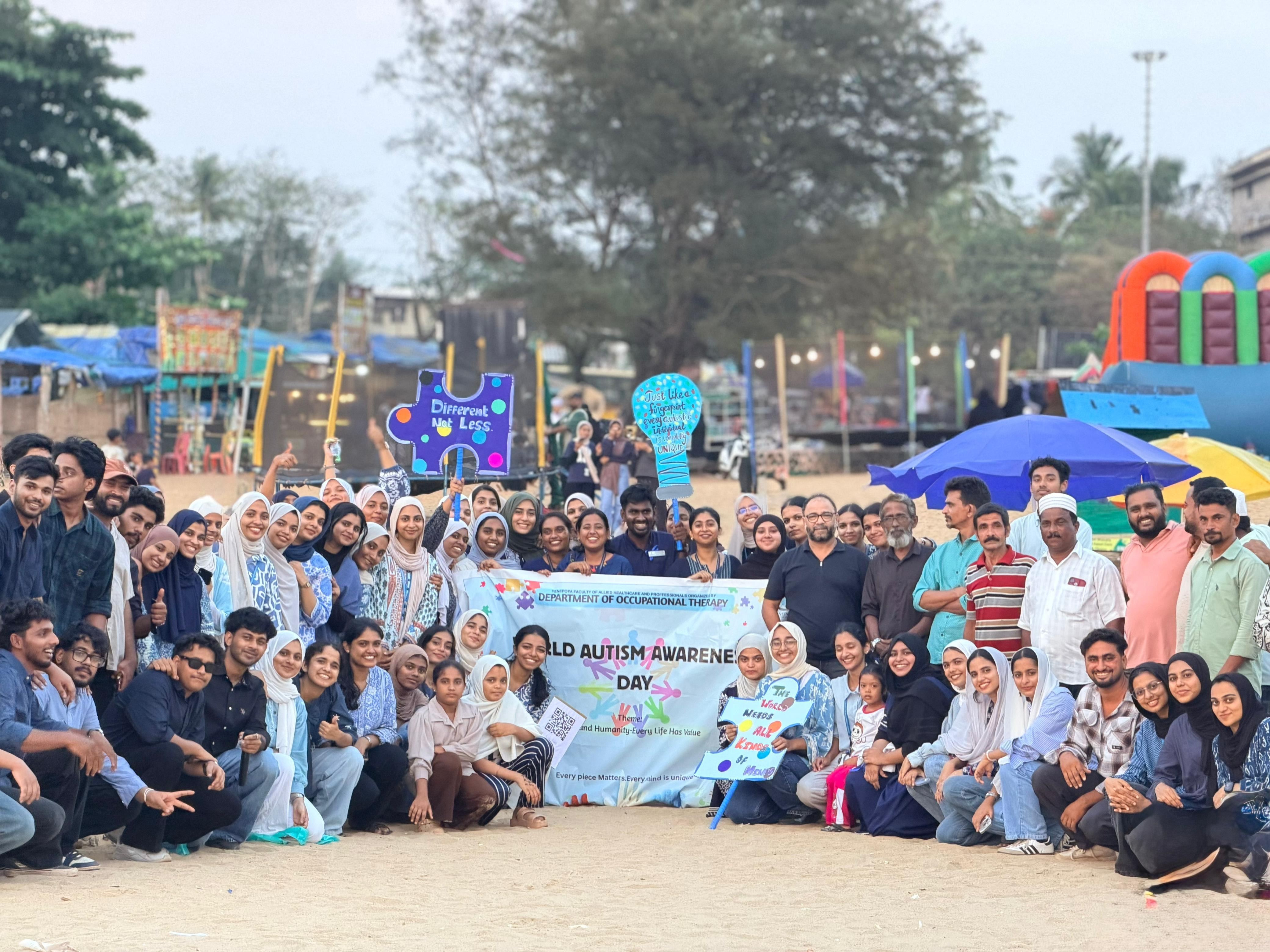
Mangaluru: The Department of Occupational Therapy at Yenepoya (Deemed to be University) conducted a community-based Autism Awareness Campaign at Fiza Mall and Ullal Beach in the city.
The campaign was aimed at promoting awareness, inclusion, and early identification of autism, in line with the global theme, “Autism and Humanity – Every Life Has Value.”
The programme was led by Dr. Dhayanithi K and Dr. Ananya Jana as organising chairpersons, with Dr. Anas, Dr. Amanda S. Phillip, and Dr. Ansu V. David served as organising members.
Students of the Bachelor of Occupational Therapy (BOT) programme participated in conducting the campaign.
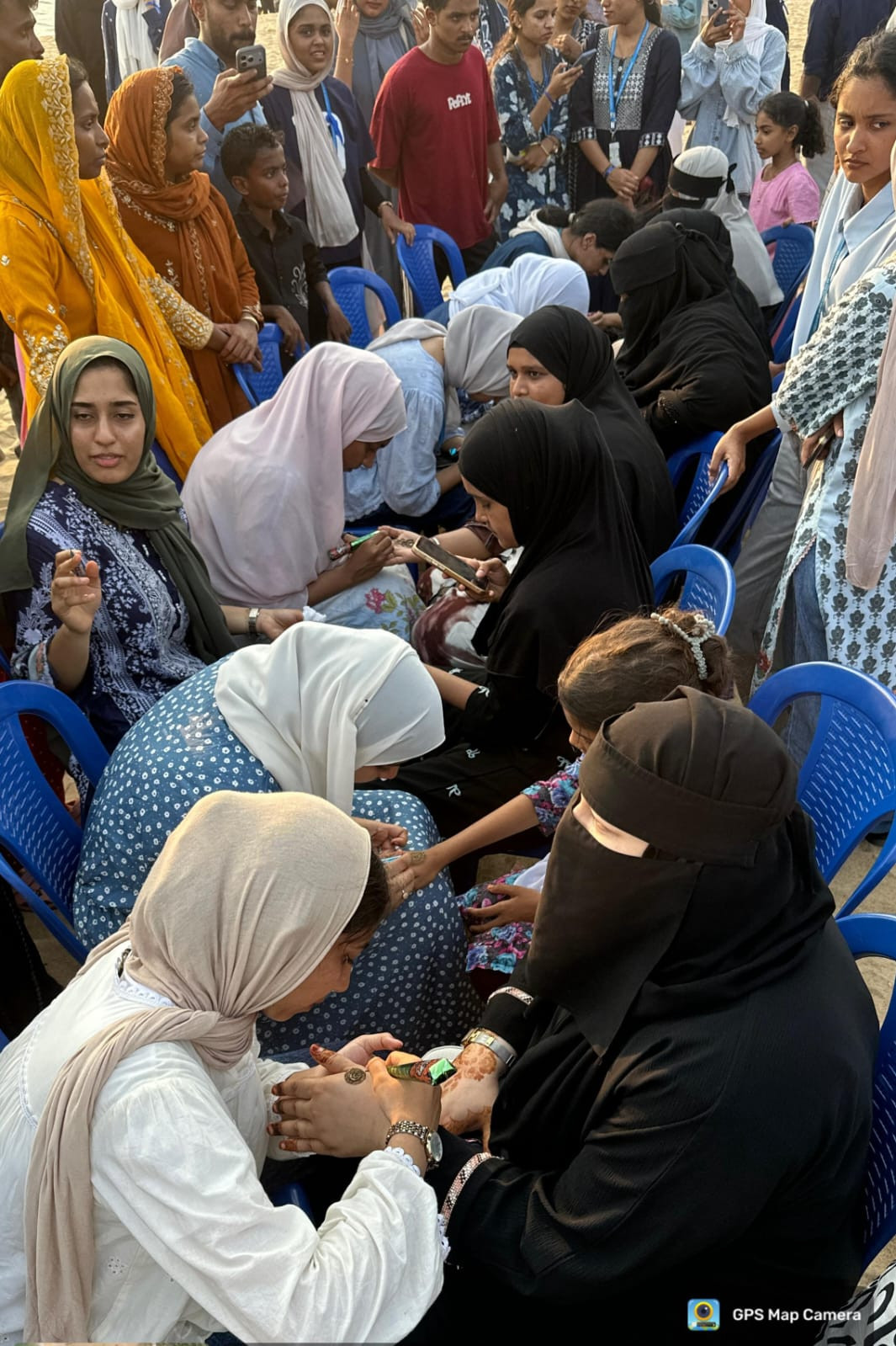
The event included activities such as flash mobs, street plays, face painting, mehendi, and direct interaction with the public.
These activities focused on highlighting early signs of autism, the need for early intervention, and the importance of inclusion and acceptance of individuals with autism.
The campaign reached around 300 to 500 members of the public. It also provided students with practical exposure to community-based rehabilitation and public health education.
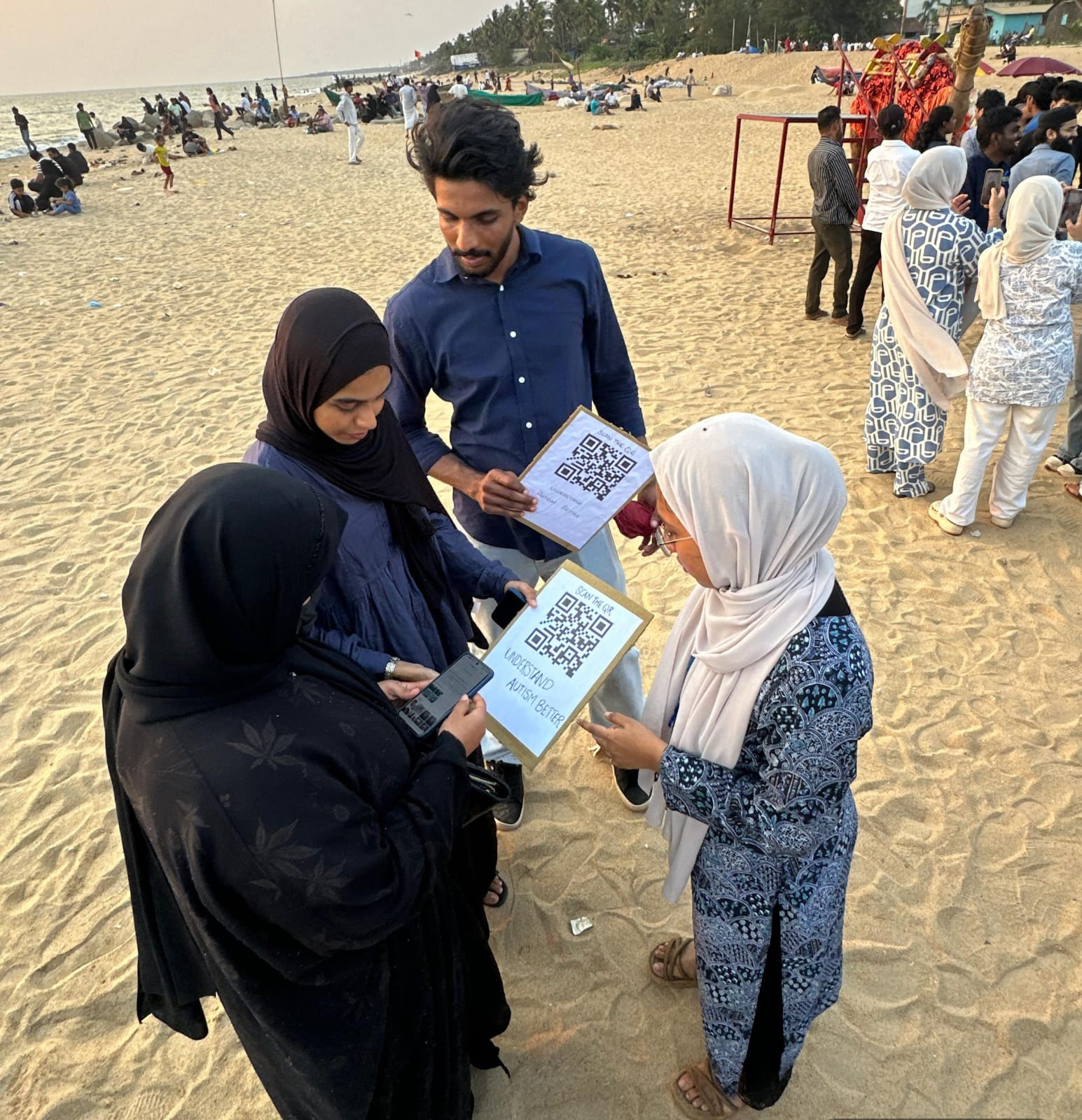
As part of the initiative, QR-based digital resources were introduced to help the public access reliable information on autism.
“Awareness is the first step towards inclusion, and early intervention can significantly improve outcomes,” the organising team said.
The department thanked the university for its support in organising the campaign. It also acknowledged the cooperation of the management of Fiza Mall and the Ullal Beach Police Department in facilitating the event.