42.31 pc turnout in first phase of Bihar polls till 1 pm
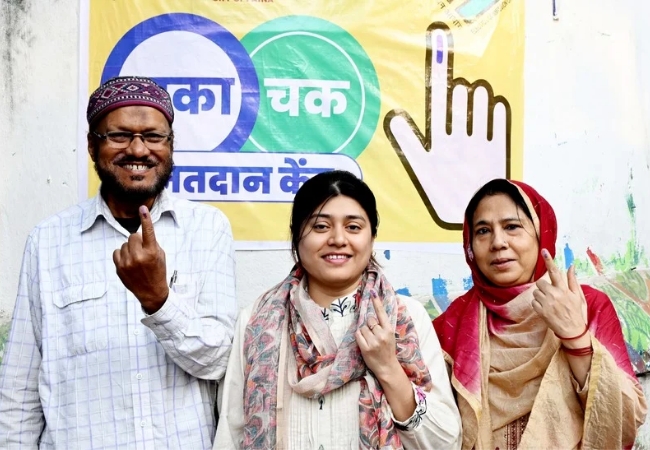
Patna (PTI): A total of 42.31 per cent of 3.75 crore voters exercised their franchise till 1 pm in the first phase of Bihar assembly elections on Thursday, an official said.
Gopalganj district recorded the highest polling percentage so far at 46.73, followed by Lakhisarai (46.37) and Begusarai (46.02).
Chief Minister Nitish Kumar and INDIA bloc's CM candidate Tejashwi Yadav were among the top leaders who cast their votes in the first phase of the high-stakes assembly polls, seen as a litmus test for the ruling NDA.
In a post on X, opposition RJD alleged, "During the voting in the first phase, electricity is being cut off intermittently at the strong booths of the Mahagathbandhan with the intention of slowing down voting. Slow voting is being deliberately caused. Please, the Election Commission, take immediate cognisance of such rigging with 'malicious intent' and 'mala fide intentions' and take prompt action."
Chief Electoral Office, however, dismissed the allegations, saying, "This allegation is completely baseless and misleading. Voting is taking place smoothly at all polling stations in Bihar. The Election Commission of India is following all standard protocols to ensure that the voting process is fair, transparent, and uninterrupted. There is no basis for such misleading propaganda."
Voting began at 7 am for 121 seats amid tight security arrangements, an official said, adding it will continue till 5 pm.
Let the Truth be known. If you read VB and like VB, please be a VB Supporter and Help us deliver the Truth to one and all.
Lebanon appoints new representative for talks with Israel, rejects linkage to Iran
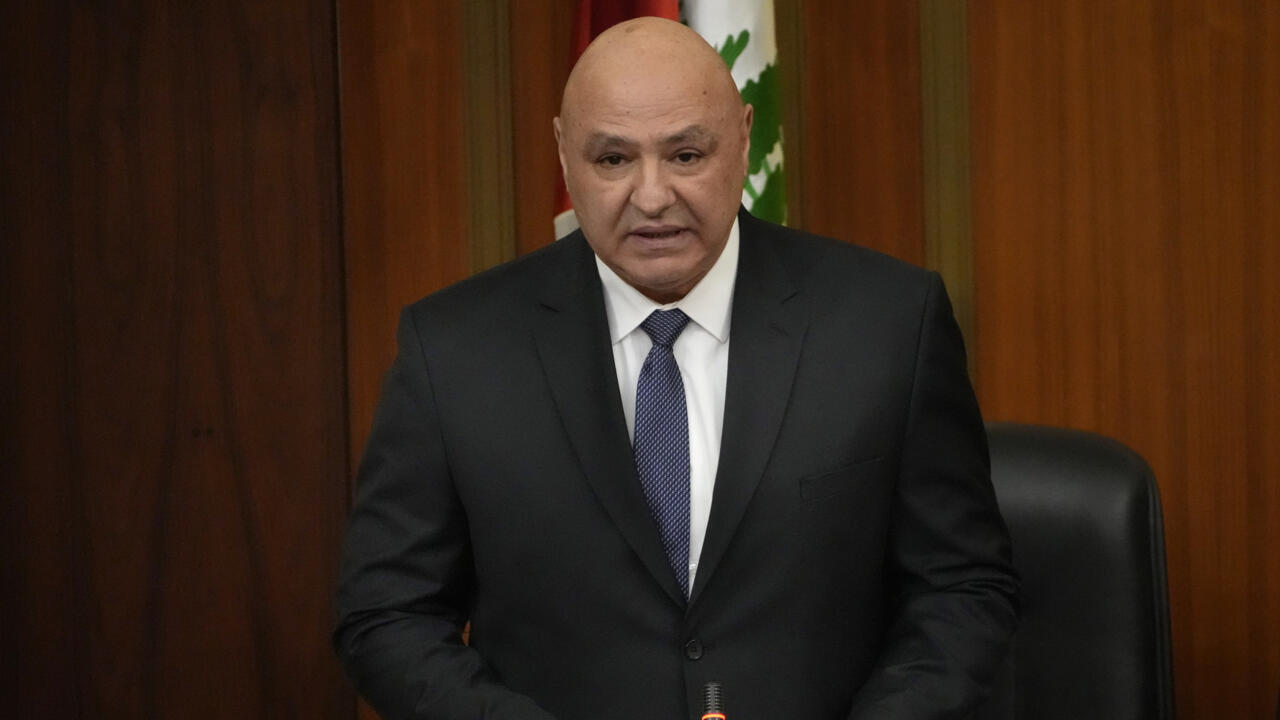
Beirut: Lebanon’s has moved to underline its independent position in ongoing regional developments, amid attempts to link the country to the broader conflict involving Iran, the United States and Israel.
President Joseph Aoun, while announcing the appointment of former US ambassador Simon Karam as Lebanon’s representative in talks with Israel, made it clear that Karam would be the sole representative for Lebanon and that there would be no substitute.
The move comes in response to what the Lebanese officials see as efforts by Iran to tie Lebanon’s situation to the wider regional conflict. Iran had indicated that there would be no ceasefire involving the US, Israel and Iran unless it also included a ceasefire in Lebanon.
Some groups, including Hezbollah and its supporters, had expressed support for linking the situations, citing concerns that the Lebanese government has limited leverage in negotiations with Israel. Lebanon is not formally a party to the conflict, and its army is considered weak.
However, others, including Prime Minister Nawaf Salam, have opposed this approach. They view Iran’s stance as an attempt to influence Lebanon’s internal affairs and see it as undermining the country’s sovereignty.
Officials backing the government’s position say the move is aimed at reaffirming Lebanon’s sovereignty and ensuring that decisions about peace and ceasefire within the country are not dictated externally.
They also see it as a safeguard, so that any breakdown in talks between the US, Israel and Iran does not automatically lead to renewed conflict in Lebanon.