4.5 crore VVPAT slips counted, no discrepancy found: CEC Rajiv Kumar
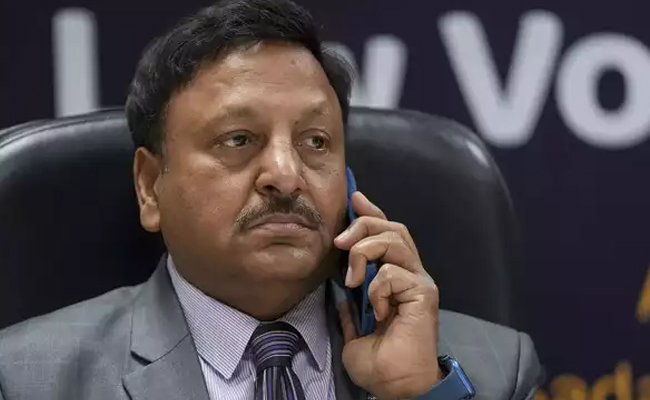
New Delhi (PTI): Chief Election Commissioner Rajiv Kumar on Tuesday underscored the integrity of India's electoral process, asserting that not a single discrepancy has been found in votes counted through electronic voting machines (EVMs) and Voter Verifiable Paper Audit Trail (VVPAT) slips.
Kumar was addressing a press conference to announce the schedule for the Delhi Assembly elections.
"Let me tell the nation today. After the Supreme Court mandated in 2019 that five VVPATs must be counted from each assembly constituency, over 67,000 VVPATs have been checked.
"This translates to more than 4.5 crore (VVPAT) slips being verified. And let me assure you that not even the difference of one vote has been found with the new machines since 2019," he said.
The CEC also pointed out that any minor errors, such as technical glitches in some of the older machines or mock poll data not being cleared, are handled with precision.
"There could be instances where a machine's data is set aside during the counting process. However, these instances are reviewed thoroughly and the slips are counted if they could potentially impact the victory margin," he explained.
Kumar highlighted that the guidelines for every aspect of the electoral process, from electoral rolls to machine handling, are rigorously followed and shared with political parties.
The CEC reiterated the transparency and robustness of the election mechanism, dismissing allegations of vote tampering.
"Our process is not only thorough but also transparent. Form 20, which contains the exact details of winners and losers, is handed over to all candidates," Kumar said.
The Election Commission has been subjected to scrutiny and demands for greater accountability, including the counting of all VVPAT slips, by opposition parties.
Let the Truth be known. If you read VB and like VB, please be a VB Supporter and Help us deliver the Truth to one and all.
Dakshina Kannada: Two girls drown while bathing near Kolyadakatta dam in Kadaba
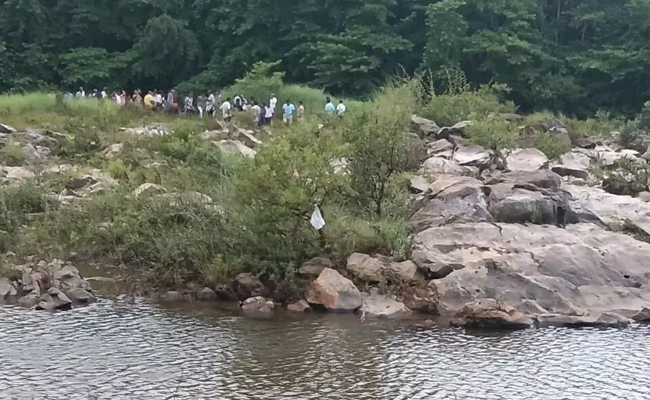
Mangaluru: Two girl students drowned while bathing near the Kolyadakatta dam area of the Gundya river on Friday evening here in the Kadaba Taluk of the district.
The deceased have been identified as Arpita (15) and Sunita (21), both residents of Vimalagiri in Kutrupadi village.
According to reports, five girl students had visited the river along with their friends as it was a holiday. While bathing in the river, the two students reportedly entered a deeper portion of the water without realising the depth and began drowning.
Those accompanying them tried to rescue the duo, but were unsuccessful, leading to the tragedy.
After receiving information about the incident, Kadaba Police Station personnel visited the spot and conducted an inspection. The bodies were later recovered with the help of local residents.