458 people dead as Jharkhand witnesses heaviest monsoon in a decade, climate change blamed
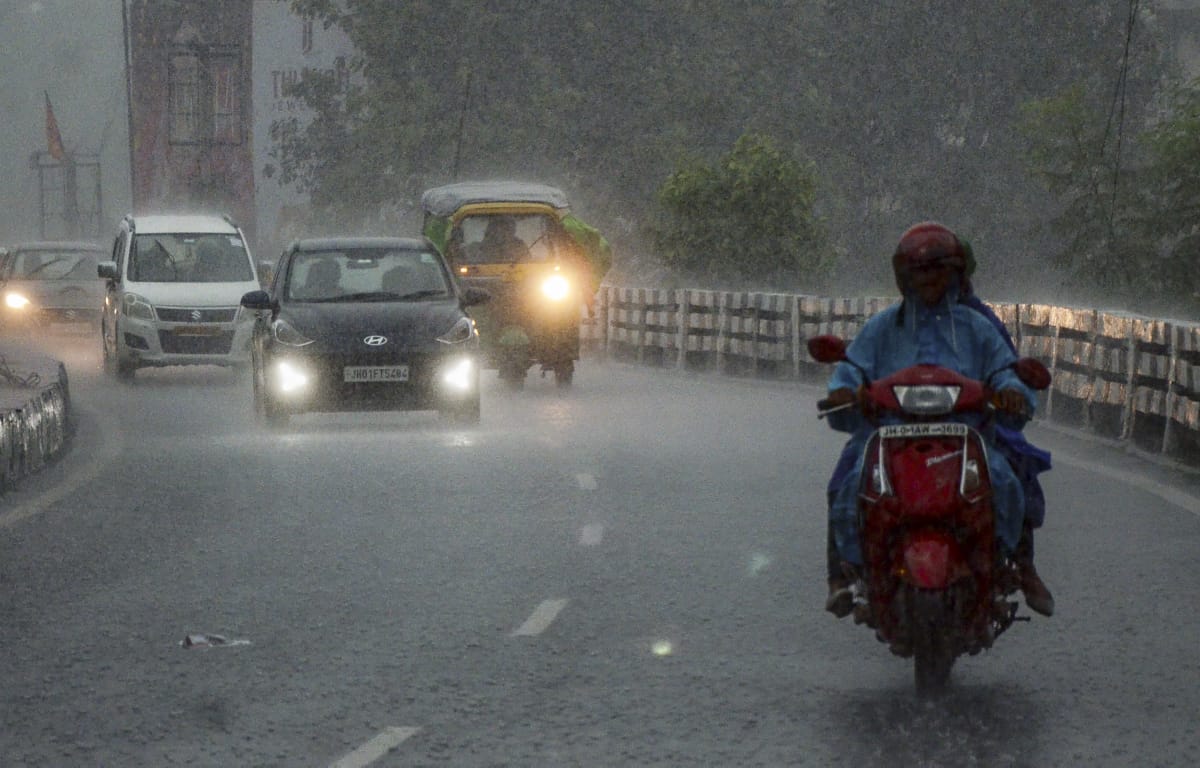
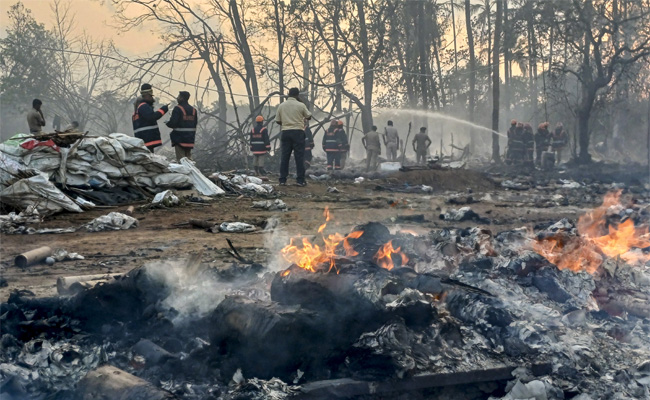
Ranchi (PTI): Jharkhand witnessed one of its most intense monsoons in a decade this year, leaving behind a trail of destruction across the state.
Between June and September, heavy rainfall and associated disasters claimed at least 458 lives, damaged thousands of homes, and ravaged farmlands, official data showed.
According to figures compiled from various state departments, 186 people were killed by lightning strikes, while 178 drowned in rain-related incidents. Floods, landslides, and house collapses accounted for the remaining casualties.
The deluge completely destroyed 467 houses and partially damaged over 8,000, while crops across 2,390 hectare were lost, particularly in Ranchi, Gumla, Lohardaga, and Simdega districts.
In Sahibganj alone, rising water levels of the Ganga displaced around 20,000 people.
"This year, Jharkhand recorded 1,199.5 mm of rainfall between June 1 and September 30, which is 18 per cent above normal," Ranchi Meteorological Centre's Director Abhishek Anand told PTI.
"It is the highest rainfall the state has seen in the past decade. The last comparable figure was 1,101.8 mm in 2016," he said.
Anand attributed the record rainfall to climate change and increased sea surface temperatures in the Bay of Bengal, which led to frequent low-pressure formations drifting toward Jharkhand.
"The Bay of Bengal remained unusually active this season, causing repeated heavy downpours across eastern and southeastern districts," he said.
Among districts, East Singhbhum topped the list with 1,669.5 mm of rainfall, followed by Saraikela-Kharsawan (1,526.3 mm) and Ranchi (1,550.2 mm), each recording more than 50 per cent of normal rainfall.
The IMD predicted a "pink cold", or mild winter, around Diwali and Chhath Puja, followed by potentially intense cold later in the season.
"The severity of winter will depend on global factors like La Nina, changes in wind patterns, and snowfall in the Himalayan region," Anand explained.
While rainfall activity has now begun to decline, the IMD has forecast isolated moderate rain with thunder and lightning in some areas until October 12, after which dry conditions are expected to prevail as the monsoon withdraws.
Let the Truth be known. If you read VB and like VB, please be a VB Supporter and Help us deliver the Truth to one and all.
KKR defeat LSG via Super Over

Lucknow (PTI): Kolkata Knight Riders edged Lucknow Super Giants via Super Overs in a battle between two bottom-placed teams in the IPL, here on Sunday.
Chasing a modest 156, LSG suffered a batting collapse and managed to tie the contest and take it to Super Over with No. 9 Mohammed Shami striking a last-ball six against a wayward Kartik Tyagi, who leaked 16 runs in the final over.
But Sunil Narine bowled a stunning Super Over conceding just one run and taking two wickets to give KKR an easy target.
Rinku Singh then finished the chase with a boundary off first ball from Prince Yadav.
Earlier the KKR were in deep trouble with 93/7 in 15 overs but Rinku smashed a sensational 83 not out from 51 balls including four sixes in a row in the final over to lift them to 155/7.
Cameron Green (34) was the only other batter to reach double-digit scores as KKR suffered a familiar batting meltdown with Mohsin taking his maiden fifer.
In reply, LSG continued their dismal show with the bat to succumb to their fifth loss in a row.
Brief Scores:
Kolkata Knight Riders 155/7; 20 overs (Rinku Singh 83 not out, Cameron Green 34; Mohsin Khan 5/23). Lucknow Super Giants 155/8; 20 overs (Rishabh Pant 42). KKR won via Super Over.