82-year-old Bilkis Bano of Shaheen Bagh protests features in BBC's 100 most influential women list
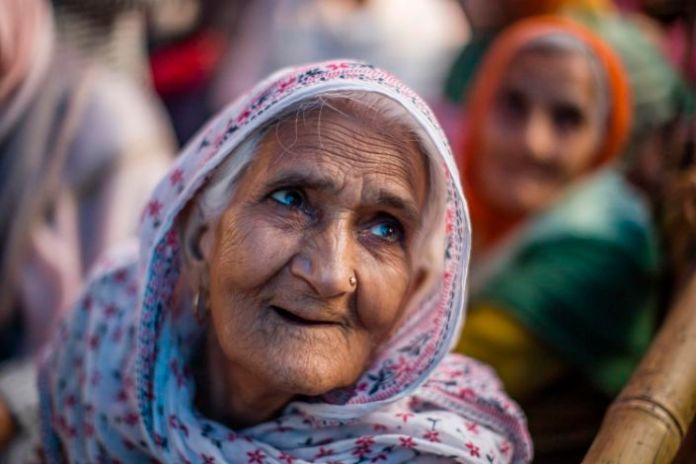
BBC recently announced a list of 100 ‘inspiring and influential’ women from around the world for 2020. The list includes the 82-year-old Indian Bilkis Bano who was the lead protester at the Shaheen Bagh where she protested against the Anti-Citizenship Amendment Act.
In a release from the BBC, it added “This year 100 Women is highlighting those who are leading change and making a difference during these turbulent times.”
The list includes Sanna Marin, who leads Finland's all-female coalition government, Michelle Yeoh, star of the new Avatar and Marvel films, and Sarah Gilbert, who heads the Oxford University research into a coronavirus vaccine, as well as Jane Fonda, a climate activist, and actress.
And in an extraordinary year - when countless women around the world have made sacrifices to help others - one name on the 100 Women list has been left blank as a tribute.
“And in an extraordinary year - when countless women around the world have made sacrifices to help others - one name on the 100 Women list has been left blank as a tribute.” The release further added.
Apart from Bilkis, Musician Isaivani and Athlete Mansi Joshi are other Indians who have been featured in the list.
Describing Bilkis and her efforts during the Shaheen Bagh protests, BBC wrote “At 82, Bilkis was part of a group of women who peacefully protested against a controversial citizenship law.
She became the face of a long-running protest at the capital's Shaheen Bagh, the Muslim locality where the protests were held. Indian journalist and author Rana Ayyub described her as "the voice of the marginalized".
Let the Truth be known. If you read VB and like VB, please be a VB Supporter and Help us deliver the Truth to one and all.
4 workers die after being buried under coal slurry in Jharkhand's Dhanbad

Dhanbad (Jharkhand) (PTI): At least four workers died after being buried under coal slurry in Jharkhand's Dhanbad district on Saturday, a police official said.
The incident took place at Moonidih coal washery in the command area of Bharat Coking Coal Limited (BCCL).
"Bodies of all four workers were dug out of debris during a rescue operation," Putki police station in-charge Waqar Hussain told PTI.
The incident took place when coal slurry was being loaded into trucks by workers, during which a large chunk of slurry fell and trapped several workers underneath, officials said.
The deceased have been identified as Manik Bauri, Dinesh Bauri, Deepak Bauri, and Hemlal Gope.
Meanwhile, the family members of the deceased and local villagers placed the bodies in front of the washery gate and began a protest.
They demanded compensation, jobs for dependents and action against those responsible for the incident.
Police and administration officials are trying to pacify the protesters, an official said.