Active Opposition important in parliamentary democracy, need not bother about numbers: PM Modi

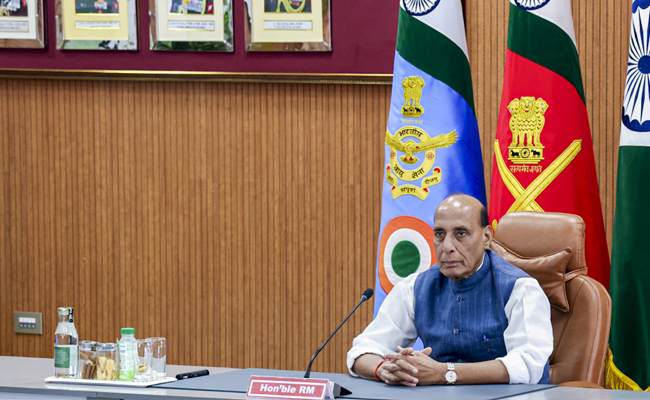
New Delhi: Prime Minister Narendra Modi on Monday said an active Opposition is important in a parliamentary democracy and they need not bother about their numbers but speak actively and participate in House proceedings.
Speaking to the media ahead of the commencement of the 17th Lok Sabha, Modi said he is hopeful that this session will be productive.
"The role of an Opposition and an active Opposition is important in a parliamentary democracy. The Opposition need not bother about their numbers. I hope they speak actively and participate in House proceedings," he said.
He urged all MPs to think of the country when in the House and address issues related to the larger interest of the nation.
"When we come to Parliament, we should forget Paksh (treasury) and Vipaksh (opposition). We should think about issues with a 'nishpaksh' (non-partition) spirit and work in the larger interest of the nation," he said.
Modi also said the new House has a high number of women MPs.
"My experience suggests that when the Parliament functions smoothly, we are able to fulfil numerous aspirations of the people of India," he said.
Let the Truth be known. If you read VB and like VB, please be a VB Supporter and Help us deliver the Truth to one and all.
Biker injured, leopard dies in road accident near forest area in Shivamogga
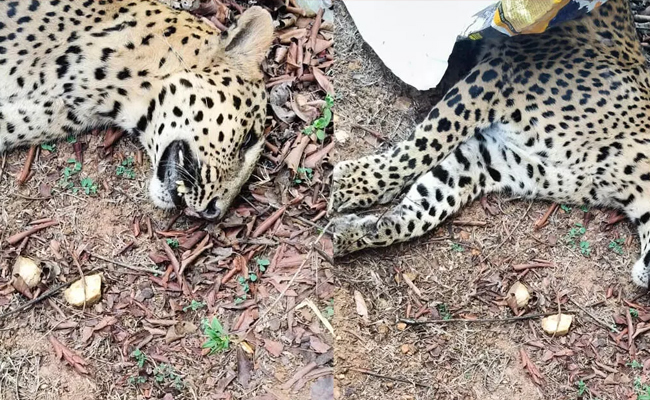
Shivamogga: A leopard was killed after being hit by a motorcycle near Mandagadde in Thirthahalli taluk of Shivamogga district.
According to reports, the biker was travelling from Shivamogga towards Thirthahalli when the leopard suddenly came onto the road from a nearby forest area near Mandagadde. The rider is said to have lost control of the bike and crashed into the animal.
The leopard suffered severe injuries in the impact and died on the spot. The biker also fell onto the road along with the motorcycle and sustained serious injuries. He was shifted to a hospital in Shivamogga for further treatment.
After receiving information about the incident, forest department officials, including Gajanur RFO Vinay Kumar, visited the spot and conducted an inspection.