After setback in SC, Rural Ministry tells PMO it may consider MGNREGS resumption in WB: Report
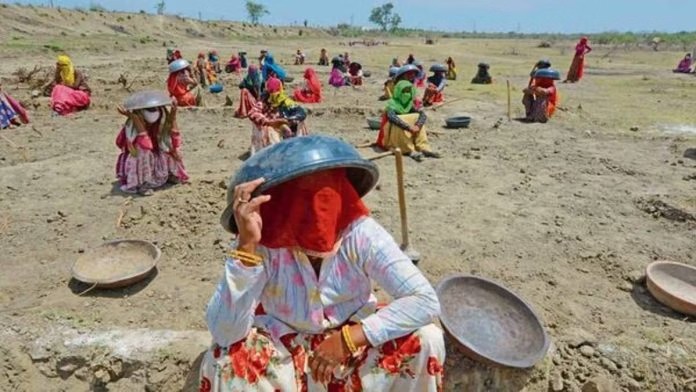
New Delhi: Days after a setback in the Supreme Court, the Ministry of Rural Development (MoRD) has reportedly informed the Prime Minister’s Office (PMO) that it may consider resuming the Mahatma Gandhi National Rural Employment Guarantee Scheme (MGNREGS) in West Bengal under “special conditions”.
Implementation of the scheme in the state has remained suspended for over three years. The Trinamool Congress (TMC)-led West Bengal government has been repeatedly urging the Centre to release funds and restart the rural employment programme.
According to a report by The Indian Express on Wednesday, the Ministry informed the PMO last week that it may “consider” resumption of MGNREGS in West Bengal under specific conditions. The PMO had sought a report from the Ministry on the issue.
On October 27, the Supreme Court dismissed the Centre’s Special Leave Petition (SLP) challenging a June 18 order of the Calcutta High Court, which had directed the implementation of the MGNREGS in West Bengal prospectively from August 1, 2025. The High Court had left it to the Centre to impose “special conditions” for implementation of the scheme in the state.
The Rural Development Ministry decided to challenge the High Court order before the Supreme Court and filed the SLP on July 31, a day before the order for implementation was to come into effect. That petition was dismissed on October 27.
The Centre had earlier invoked Section 27 of the MGNREGA, 2005, to suspend fund releases to West Bengal on March 9, 2022, citing “non-compliance with directives of the Central Government.” Since then, no MGNREGS-related work has been undertaken in the state, added the report.
Before the scheme’s suspension, between 2014–15 and 2021–22, an estimated 51 lakh to 80 lakh families in West Bengal availed employment under the flagship scheme annually.
Let the Truth be known. If you read VB and like VB, please be a VB Supporter and Help us deliver the Truth to one and all.
VP, PM greet civil servants on Civil Services Day
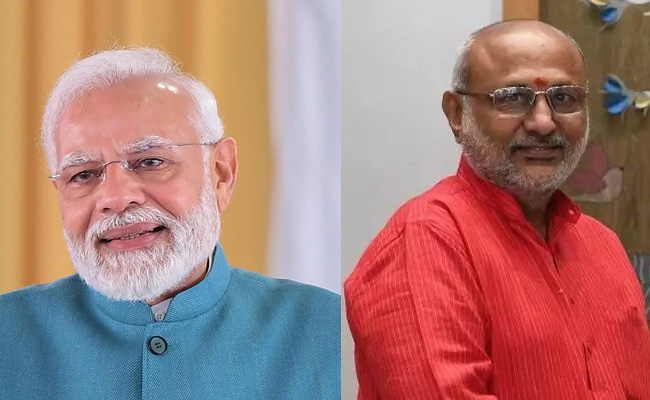
New Delhi (PTI): Vice President C P Radhakrishnan and Prime Minister Narendra Modi on Tuesday greeted civil servants on the occasion of Civil Services Day and said it is time to further strengthen the resolve to work towards good governance and nation building.
The Vice President said as the enduring pillar of India's administrative framework, the efforts of the civil servants in strengthening governance and delivering public services are of immense significance.
The prime minister said from the grassroots to policy-making, the efforts of civil servants touch countless lives and contribute to India's progress
"On the occasion of Civil Services Day, I extend my warm greetings to all civil servants and convey my sincere appreciation for your dedication and exemplary service to the nation," Radhakrishnan said in a post on X.
ALSO READ: 5.2-magnitude quake jolts Manipur
He said the theme for this year, "Viksit Bharat: Citizen-Centric Governance and Development at the Last Mile", aligns with the vision of Viksit Bharat 2047 and underscores the Government's commitment to transparent, accountable, and citizen-centric governance, with a strong emphasis on last-mile delivery and inclusive development.
"Let us all celebrate the day and continue to work collectively towards building an inclusive and developed India," he said.
The Vice President will deliver the keynote address at the Civil Services Day celebrations at Vigyan Bhawan here on Tuesday.
In his message, Modi greeted all civil servants on Civil Services Day and said this is an occasion to further strengthen the resolve to work towards good governance and nation building.
"May our civil servants continue to serve with excellence, compassion and innovation, upholding the highest standards of duty," he said.
The prime minister said service to the nation is the foundation of a 'Developed India'.
"On the glorious occasion of Civil Services Day, let us reaffirm our resolve to build a strong, prosperous, and sensitive India by bringing the person standing at the last line into the mainstream of development," he said.
The central government celebrates April 21 every year as 'Civil Services day' as an occasion for civil servants to rededicate themselves to the cause of citizen and renew their commitments to public service and excellence in work.
This date is chosen to commemorate the day when the first Home Minister of Independent India, Sardar Vallabhbhai Patel, addressed the probationers of Administrative Services Officers in 1947 in Delhi, and referred to civil servants as the 'steel frame of India'.