Ahead of Assembly elections in Rajasthan, Rs 244 crore cash seized in last 15 days
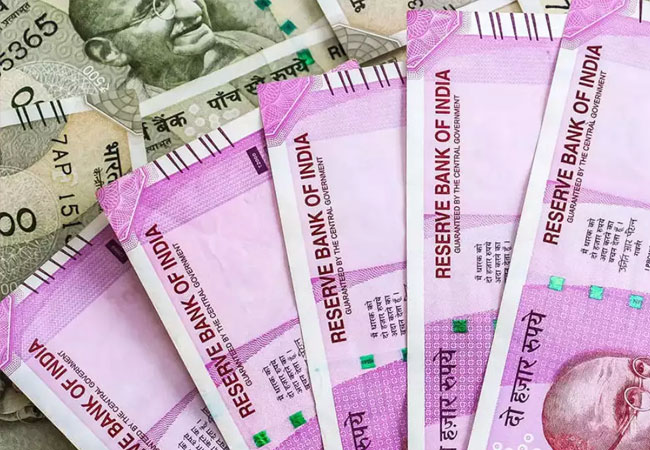
Jaipur (PTI): Ahead of the Assembly elections in Rajasthan, enforcement agencies have seized Rs 244 crore cash in the last 15 days, officials said on Tuesday.
A strict vigil is being maintained by the police, excise, income tax and other enforcement agencies and a "new record" has been made in the seizure of illegal cash, liquor, drugs, gold, silver etc. The total seizure figure has crossed Rs 1,000 crore in 2023, officials said.
According to officials, this year there has been a three-fold increase in the total seizure, which was Rs 322 crore in 2021, Rs 347 crore in 2022 and Rs 1,021 crore so far in 2023.
Chief Electoral Officer Praveen Gupta said that since June, the election commission has been working in direct coordination with all the enforcement agencies, and cash and other material worth Rs 648 crore have been seized since then.
In the last 15 days (from October 9 till now), cash and other material worth Rs 244 crore have been seized, officials said.
Gupta said that during this period, Rs 39.30 crore cash was seized by police, Income Tax Department and other agencies. Similarly, over 10.60 lakh litre illicit liquor worth Rs 20.12 crore was seized by the Excise Department, police and other agencies.
He said that drugs and psychotropic substances worth Rs 46.76 crore were seized by the Narcotics Control Bureau, police and other agencies. Police, Income Tax Department and Customs Department have seized gold, silver and other precious metals worth Rs 30.40 crore.
He said that freebies and other items worth Rs 84.22 crore have also been seized by various agencies.
Let the Truth be known. If you read VB and like VB, please be a VB Supporter and Help us deliver the Truth to one and all.
Sakleshpur: Man on way to his pre-wedding shoot dies on spot as car hits tree
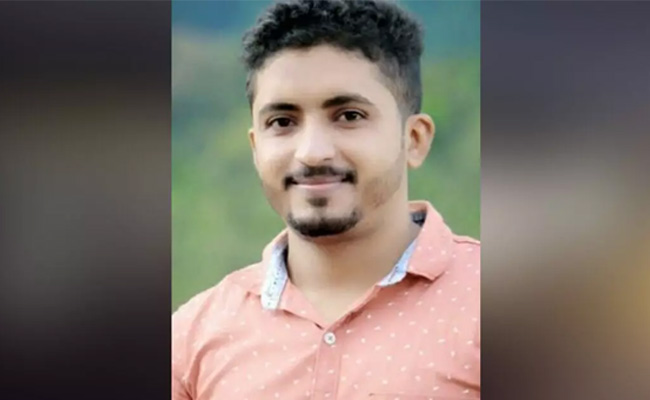
Sakleshpur: In a tragic incident reported from the taluk, a 28-year-old man who was on the way to his pre-wedding shoot died as his car rammed into a roadside tree.
The deceased groom, identified as Manu LN, was a resident of Darbarpet in Lakkunda village, Belur taluk, and was to get married on May 10.
Manu was traveling in his car to get his bride for the shoot when he lost control over the car near Moogali of Sakleshpur taluk and the vehicle hit a tree beside the road.
Manu is learned to have died on the spot due to the impact of the collision.