Air India deployed wrong aircraft for Vancouver; plane returned to Delhi on Thu
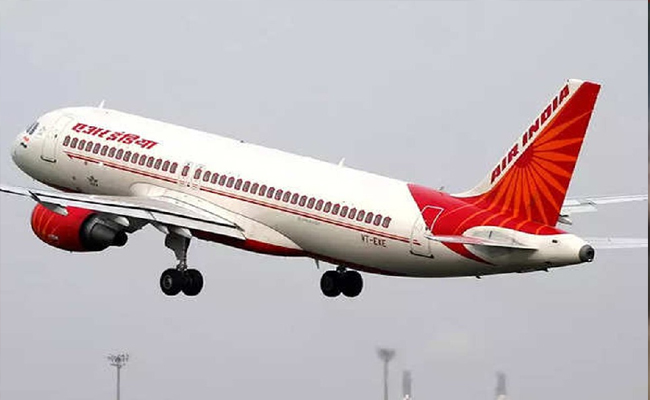
New Delhi (PTI): A Vancouver-bound Air India Boeing 777-200 LR aircraft, after being airborne for over seven hours, returned to the national capital on Thursday evening after it was found that the plane was not approved for operating the flight, according to sources.
An apparent lapse in updating the list of requirements for the operation of flights to Canada resulted in the situation, where a wrong aircraft was deployed for the particular service, sources said.
Without providing specific details, Air India, in a statement on Friday, said the aircraft had landed safely at the Delhi airport.
The flight was operated with Boeing 777-200 LR aircraft VT-AEI and was airborne for over seven hours. The plane turned back to Delhi when it was in the Chinese airspace, according to information available on the flight tracking website Flightradar24.com.
ALSO READ: Close shave for Odisha MLA, 36 passengers as bus catches fire
"Air India flight AI185, operating from Delhi to Vancouver on 19 March, returned to Delhi due to an operational issue and in line with established standard operating procedures. The aircraft landed safely, and all passengers and crew had disembarked," the airline said in a statement.
The sources said the flight should have been operated only with a Boeing 777-300 ER aircraft, and there was no approval for flying the Boeing 777-200 LR plane.
There are various approvals required for operating flights to foreign destinations, and those depend on each country.
Meanwhile, Air India also said the flight departed for Vancouver with the passengers on Friday morning.
Let the Truth be known. If you read VB and like VB, please be a VB Supporter and Help us deliver the Truth to one and all.
Lebanon appoints new representative for talks with Israel, rejects linkage to Iran
Beirut: Lebanon’s has moved to underline its independent position in ongoing regional developments, amid attempts to link the country to the broader conflict involving Iran, the United States and Israel.
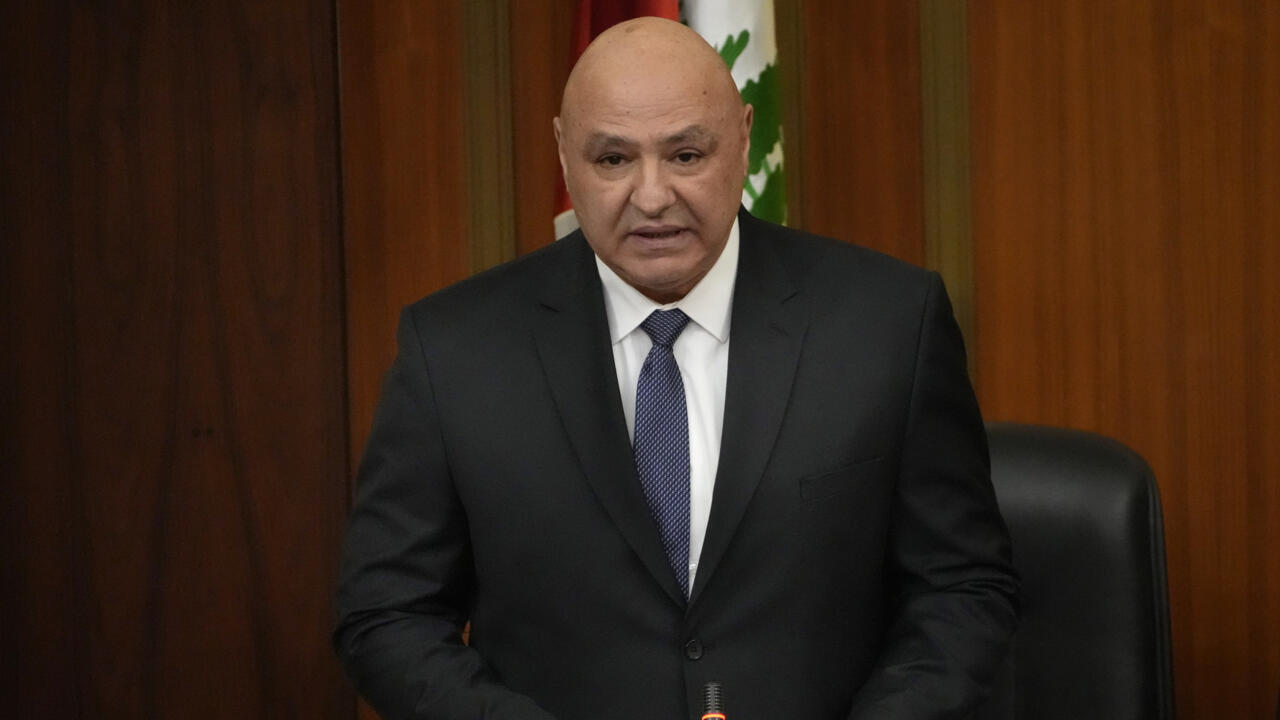
President Joseph Aoun, while announcing the appointment of former US ambassador Simon Karam as Lebanon’s representative in talks with Israel, made it clear that Karam would be the sole representative for Lebanon and that there would be no substitute.
The move comes in response to what the Lebanese officials see as efforts by Iran to tie Lebanon’s situation to the wider regional conflict. Iran had indicated that there would be no ceasefire involving the US, Israel and Iran unless it also included a ceasefire in Lebanon.
Some groups, including Hezbollah and its supporters, had expressed support for linking the situations, citing concerns that the Lebanese government has limited leverage in negotiations with Israel. Lebanon is not formally a party to the conflict, and its army is considered weak.
However, others, including Prime Minister Nawaf Salam, have opposed this approach. They view Iran’s stance as an attempt to influence Lebanon’s internal affairs and see it as undermining the country’s sovereignty.
Officials backing the government’s position say the move is aimed at reaffirming Lebanon’s sovereignty and ensuring that decisions about peace and ceasefire within the country are not dictated externally.
They also see it as a safeguard, so that any breakdown in talks between the US, Israel and Iran does not automatically lead to renewed conflict in Lebanon.