Air India to charge no fees if cancellation or change in ticket done within 24 hrs of booking
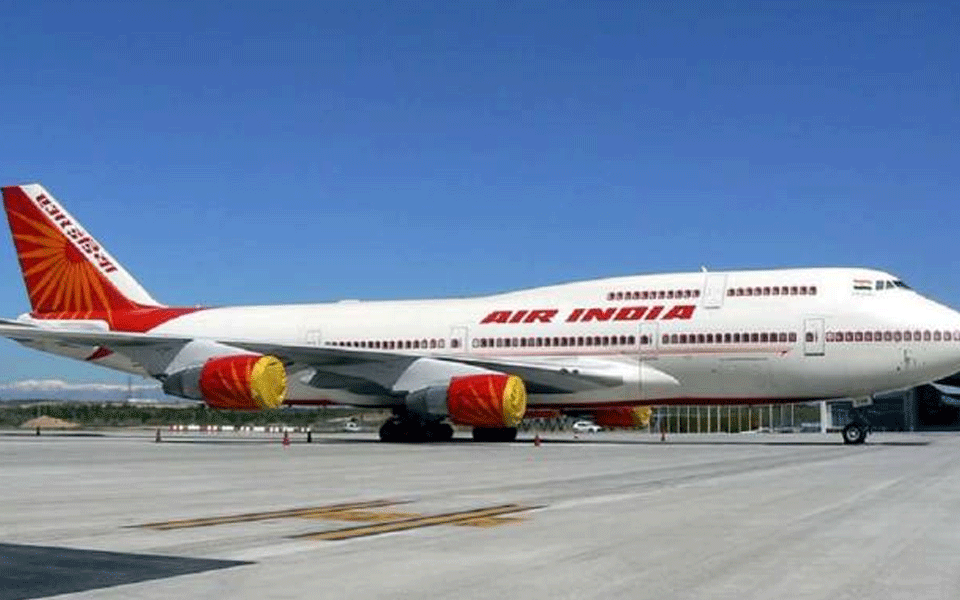
New Delhi: Air India has decided that from May 1, if a customer wants to cancel his air ticket or make changes in it within 24 hours of booking, he will not be charged any fee, according to an airline document. However, this facility will be available only if the flight is scheduled at least seven days after the booking date.
Indian aviation regulator DGCA had issued a "passenger charter" on February 27, which specified the rights of air travellers. One of the provisions in the passenger charter has been implemented by the national carrier through the aforementioned decision that will come into effect from May 1.
A circular issued by Air India's Chairman and Managing Director (CMD) on April 24 said, "It has been decided that for sale and travel, effective May 1, 2019, all domestic tickets will have the free look-in option for change and cancellation as prescribed by the DGCA."
"The passenger has an option of cancelling or amending the ticket without any additional charges, that is cancellation or change fee is not applicable, when the same is done within 24 hours of ticketing," it added.
However, according to the circular, the normal prevailing fare and the related fare conditions on a particular flight -- for which the ticket is being sought -- will be applicable.
Moreover, the circular stated that the facility "shall not be available for a flight whose departure is scheduled less than seven days from the booking date".
"Beyond 24 hours of initial booking time, this option is not available and the passenger has to pay the relevant cancellation/change fees for amendment," it added.
Let the Truth be known. If you read VB and like VB, please be a VB Supporter and Help us deliver the Truth to one and all.
KSCA expresses disappointment over missing IPL playoffs, says it was ready to host matches in B’luru
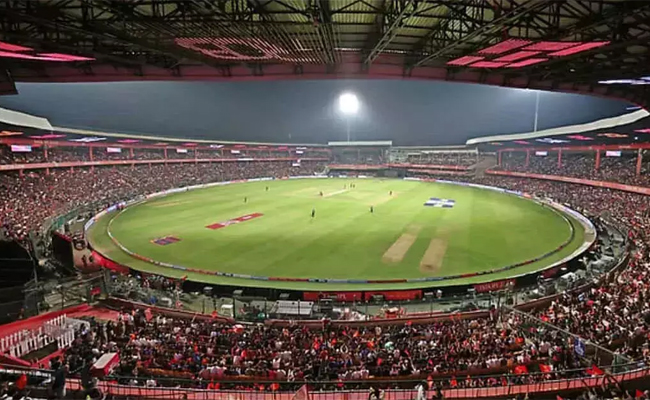
Bengaluru: The Karnataka State Cricket Association (KSCA) has issued a clarification stating that it was fully prepared to host the IPL playoffs and final matches in Bengaluru but the fixtures were allotted to other venues.
In a media note, KSCA said it was disappointed with the decision. The association stated that its president, former India cricketer Venkatesh Prasad, had been in touch with the Board of Control for Cricket in India (BCCI) and had formally conveyed the association’s readiness and interest in hosting the matches at the M. Chinnaswamy Stadium.
KSCA said the IPL matches held in Bengaluru this season were appreciated for smooth conduct, crowd management and overall experience for spectators. It said this reflected its ability to handle high-profile matches.
The association also stated that it had sent a detailed communication to the BCCI explaining its preparedness and the operational arrangements followed during the current IPL season. According to KSCA, these systems have been in place since the start of the Indian Premier League in 2008 and were followed consistently, including during previous playoff matches hosted in Bengaluru.
The clarification added that the communication sent to the BCCI was only meant to provide factual and operational details and to bring clarity on logistical and stakeholder-related requirements involved in hosting such matches.
KSCA said that although it had shown willingness and preparedness, the BCCI has decided to allocate the playoff matches to other venues. It added that the reasons for this decision have not been formally shared with the association, but it respects the authority of the board in taking such decisions.
The association further said it remains ready to host matches of national and international importance and will continue to cooperate with the BCCI, franchises, government authorities and other stakeholders for conducting cricket events.
The statement was issued by KSCA official spokesperson Vinay Mruthyunjaya, who also thanked the media and cricket fans for their continued support.