Air India to recalibrate plans on Turkish Technic's maintenance works for its wide-body planes
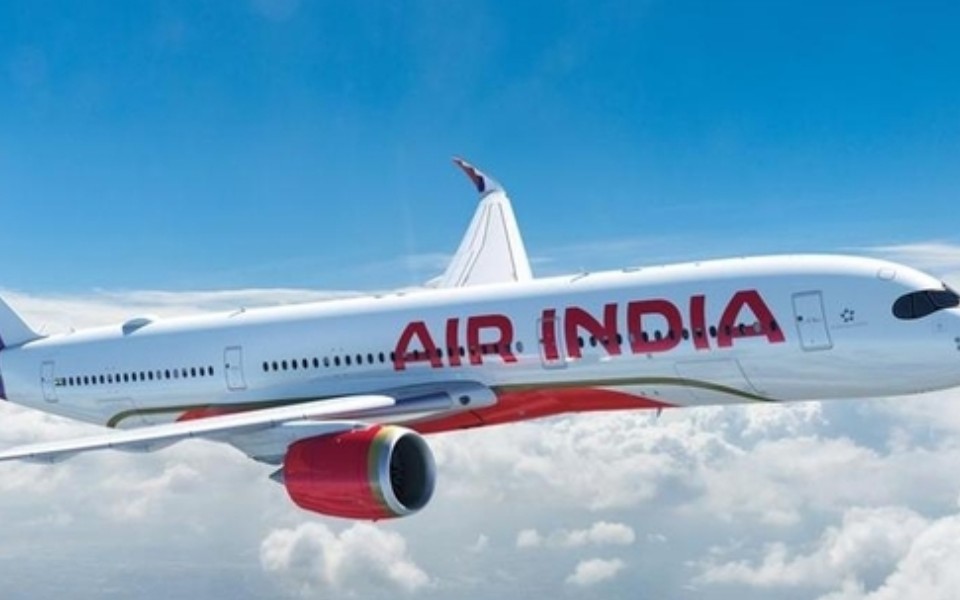
New Delhi, Jun 1 (PTI): Air India will look to send its wide-body planes, whose heavy maintenance is being done by Turkish Technic, to other MRO entities, as part of recalibrating its plans taking into cognisance the recent developments related to Turkiye, according to the airline's CEO Campbell Wilson.
Against the backdrop of Turkiye backing Pakistan and condemning India's strikes on terror camps in the neighbouring country in May, aviation security watchdog BCAS, on May 15, revoked the security clearance for Turkish company Celebi Airport Services India Pvt Ltd in the "interest of national security".
On May 30, aviation safety regulator DGCA granted a one-time final extension of three months to IndiGo on damp leasing of two Boeing 777 aircraft from Turkish Airlines till August 31 but directed the airline to terminate the lease within the three-month period.
When asked about some of Air India's wide-body aircraft being sent to Turkish Technic for maintenance works, the Air India CEO and MD said it is a global business and a global supply chain.
"It does take a while to adjust when the circumstances change around us but we are obviously sensitive to the national sentiment and perhaps the national wishes. So, regardless of which country we are talking about, we would clearly take cognisance of what people like us to do and expect us to do," he told PTI in an interview.
Heavy maintenance works of some of the airline's wide-body B777s and B787s are done by Turkiye-based Turkish Technic.
In the short-term, Wilson said the airline needs to send some aircraft for MRO works overseas to places in the Middle East, South East Asia, the US and in a couple of cases, business to Turkish Technic as it will take some time for India to have the capacity to do such works.
"With this most recent development, we will look to recalibrate where we sent our aircraft, reduce the amount that we are sending to Turkiye and send it to other places.
"But that does take some time because aircraft have to be maintained... we are cognisant of recent developments and we will look to adjust our plans," he said.
MRO refers to Maintenance, Repair and Overhaul.
Currently, Air India has a fleet of 191 planes, including 64 wide-body aircraft.
Let the Truth be known. If you read VB and like VB, please be a VB Supporter and Help us deliver the Truth to one and all.
Fire at mass marriage event attended by Dy CM Shivakumar, nobody affected
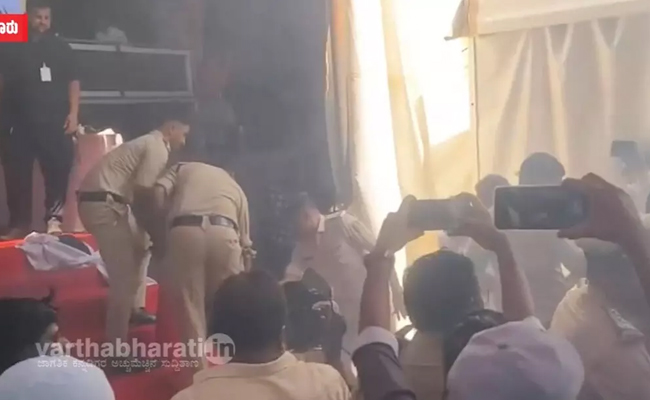
Raichur (Karnataka) (PTI): Fire broke out near the stage of the mass marriage event that was attended by Deputy Chief Minister D K Shivakumar here, police said on Sunday.
Nobody was affected, and the fire was immediately put out, they said.
The fire was noticed shortly after Shivakumar and other dignitaries left the stage, and Forest Minister Eshwaran Khandre was speaking to the media at the venue in Sindhanur, officials said.
According to officials, wires, speakers, and cloth materials near the stage caught fire, allegedly due to a short circuit.
Police personnel present at the spot quickly swung into action and extinguished the fire.
The programme was halted for some time and resumed later, they said.
Several ministers, legislators and political leaders from the region, and actor Sudeep had attended the event.