Air pollution in India linked with higher risk of heart disease, stroke: Study
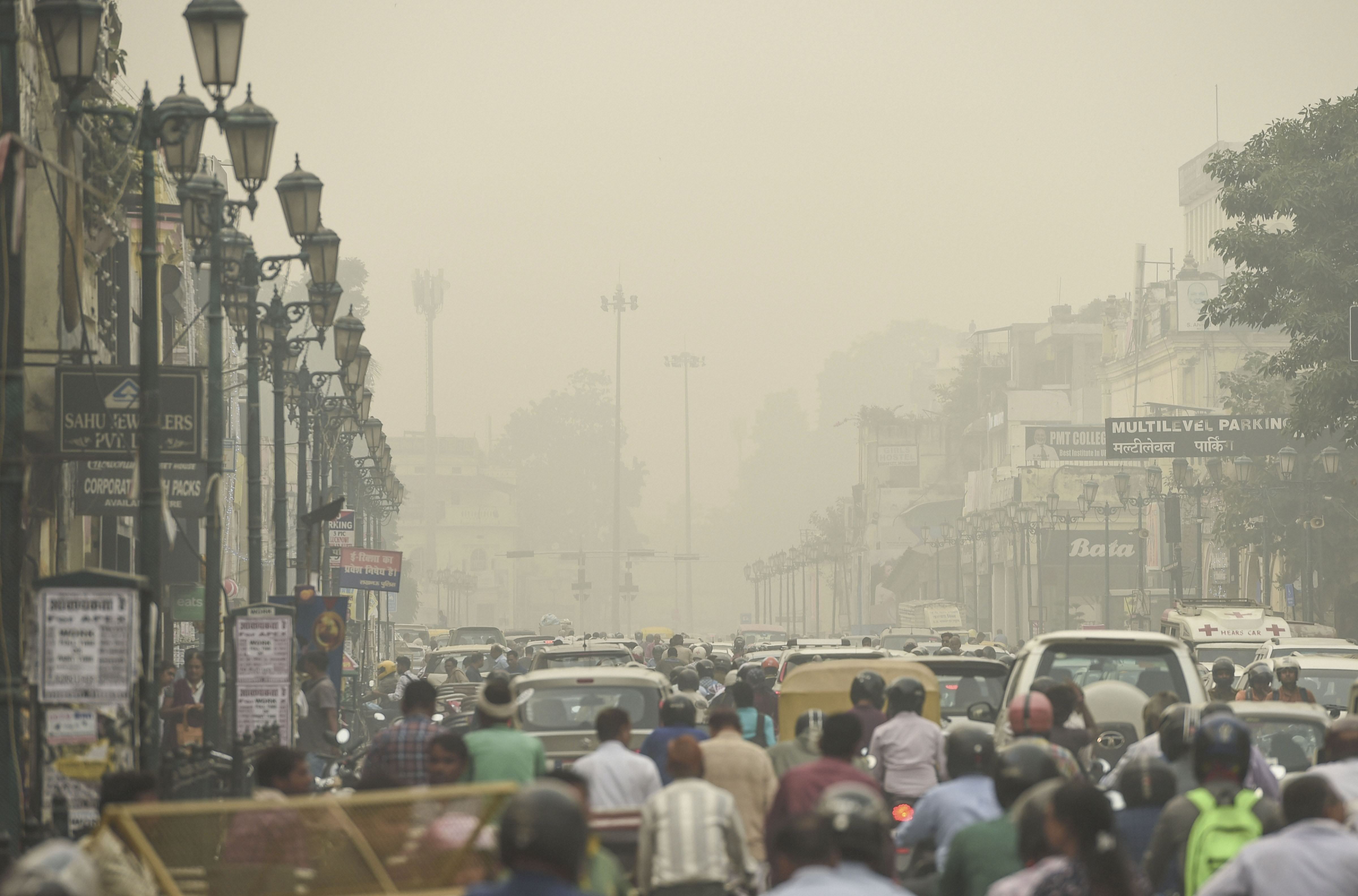
London: Exposure to high levels of ambient and household air pollution in India is associated with an increased risk of cardiovascular diseases such as heart attack and stroke, according a study.
A team led by the Barcelona Institute for Global Health (ISGlobal) in Spain is the first to explore the association between ambient and household air pollution, and carotid intima-media thickness (CIMT) -- a marker of atherosclerosis or thickening of arteries -- in a population of a low-and-middle income country.
The study, performed in a periurban area in Hyderabad, Telangana, shows that people most exposed to fine particles have a higher CIMT index, which means they are at higher risk of developing cardiovascular diseases such as stroke or heart attack.
The study, published in International Journal of Epidemiology, was performed with 3,372 participants.
The team measured CIMT and estimated exposure to air pollution using an algorithm called land use regression (LUR), which is frequently used to predict the amount of fine particles -- suspended particles with a diameter under 2.5 micrometres -- in high-income countries.
The participants also provided information on the type of cooking fuel they used.
The results show that high annual exposure to ambient fine particles was associated with a higher CIMT, particularly in men, participants above 40 years of age, or those with cardiometabolic risk factors, the researchers said.
Sixty per cent of participants in the study used biomass cooking fuel.
"People using biomass fuel for cooking had a higher CIMT, particularly women who cooked in unventilated spaces," Otavio Ranzani, ISGlobal researcher and first author of the study, explained.
"Women had a higher CIMT than men, which could be due to the fact that they spend more time in the kitchen, breathing air polluted by biomass fuel," he said.
Annual average exposure to PM2.5 was 32.7 microgrammes (mg) per cubic metre (m3), far above the maximum levels of 10 mg/m3 recommended by the Word Health Organzation (WHO).
"This study is relevant for countries which, like India, are experiencing a rapid epidemiological transition and a sharp increase in the prevalence of hypertension, diabetes and obesity," said Cathryn Tonne, ISGlobal researcher and coordinator of the study said in a statement.
"In addition, the country is affected by high levels of air pollution, both ambient and indoors," Tonne said. She said the findings highlight the need to perform more studies on air pollution in low- and middle-income countries.
The conclusions may differ considerably from studies in high income countries due to differences in population characteristics and air pollution levels and sources, Tonne noted.
Let the Truth be known. If you read VB and like VB, please be a VB Supporter and Help us deliver the Truth to one and all.
Confident we are going to win Kerala: Shashi Tharoor
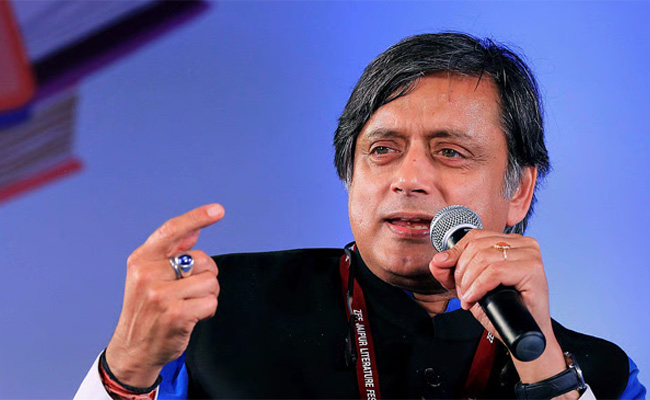
New Delhi (PTI): Congress leader Shashi Tharoor on Thursday expressed confidence in the victory of the United Democratic Front (UDF) in Kerala, saying the Congress-led alliance will win more than 75 seats out of the total 140 in the state.
Tharoor, who hails from Kerala, said he was not surprised to see the results of the exit polls, most of which predicted a victory for the UDF that has been out of power for 10 years in the state.
"We have been on the ground. I have campaigned in 59 constituencies across 12 districts out of 14. I was very confident we are going to win.
"Everything that I have picked up from not just my party colleagues and workers but also from other observers, media and others have always convinced me that we were going to score a comfortable win of above 75 seats. And all the (exit) polls have confirmed the same thing," he told reporters here.
The Thiruvananthapuram MP said he was not surprised to see the results of the exit polls but in general he was not a big fan of exit polls in India.
"Because ours is not purely a homogenous society. We have to take into account gender issue, caste issue, class issue, regional disparities. You never get a convincingly large enough sample to give an accurate poll and now there is the additional complication that we have heard about in West Bengal this year that many people are unwilling to answer the questions of the pollsters," he said.
The Congress leader said normally, it used to be below 10 per cent that people said that they would not answer.
"Even if you are a reputable exit pollster, in Bengal, one polling company has said 60 per cent of people refused to answer. So, what is the worth of a poll where 60 per cent of your respondents have not answered," he said.
Several exit polls on Wednesday predicted a comeback by the Congress-led UDF in Kerala after 10 years, dethroning the CPI(M)-led Left Democratic Front (LDF).
Polling for the 140-member Kerala assembly was held on April 9. Results of assembly elections in West Bengal, Tamil Nadu, Assam, Puducherry, besides Kerala, will be announced on May 4.