Air travel becomes expensive: Govt raises limits on domestic airfares by 10-30 pc
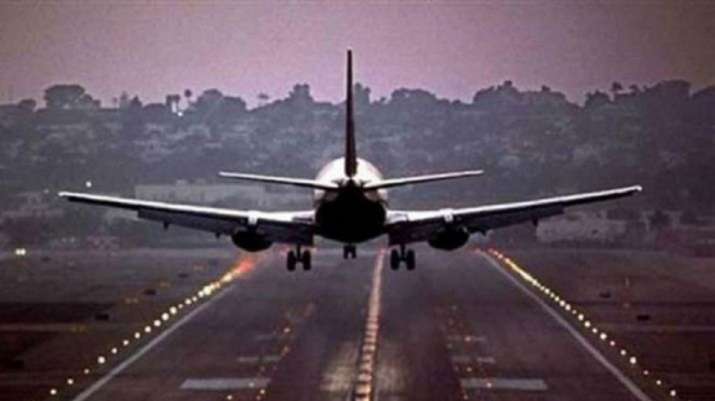
New Delhi, Feb 11: Passengers will have to shell out more money for air travel from now as the Civil Aviation Ministry on Thursday increased the lower and upper limits on domestic airfares by 10 to 30 per cent.
These new limits would remain "in force up to March 31, 2021, or until further orders", the ministry said its order on Thursday.
While announcing the resumption of scheduled domestic flights on May 21 last year, the ministry had placed limits on airfares through seven bands classified on the basis of flight duration.
The first such band consists of flights that are of less than 40 minutes duration. The lower limit for the first band was increased on Thursday from Rs 2,000 to Rs 2,200. The upper limit in this band was set at Rs 7,800, which was Rs 6,000 earlier.
The subsequent bands are for flights with durations of 40-60 minutes, 60-90 minutes, 90-120 minutes, 120-150 minutes, 150-180 minutes and 180-210 minutes.
The fresh lower and upper limits set by the ministry for these bands on Thursday were: Rs 2,800 - Rs 9,800; Rs 3,300 Rs 11,700; Rs 3,900 Rs 13,000; Rs 5,000 Rs 16,900; Rs 6,100 Rs 20,400; Rs 7,200 Rs 24,200, respectively.
Till date, the lower and upper limits for these bands were: Rs 2,500 - Rs 7,500; Rs 3,000 - Rs 9,000; Rs 3,500 - Rs 10,000; Rs 4,500 - Rs 13,000; Rs 5,500 - Rs 15,700 and Rs 6,500 - Rs 18,600, respectively.
Aviation regulator DGCA had said on May 21 last year that each airline would sell at least 40 per cent of its tickets on a flight at prices less than the midpoint between the lower limit and upper limit.
Domestic passenger services resumed on May 25 after nearly two months of suspension to combat the coronavirus outbreak.
Along with the limits on airfares, the government had asked the airlines to operate not more than 33 per cent of their pre-COVID domestic flights. On June 26, the cap was increased to 45 per cent. This was gradually increased to 80 per cent. The ministry said on Thursday that the 80 per cent limit would remain in place till March-end.
The aviation sector has been significantly impacted due to the travel restrictions imposed in India and other countries in view of the coronavirus pandemic.
All Indian carriers last year took cost-cutting measures such as pay cuts, leave without pay and firing of employees in order to conserve cash.
Scheduled international passenger traffic continues to remain suspended in India since March 23, 2020 due to the coronavirus pandemic. However, special international flights have been operating since July 2020 under air bubble arrangements formed with various countries.
Let the Truth be known. If you read VB and like VB, please be a VB Supporter and Help us deliver the Truth to one and all.
Maharashtra sets up state vaccination task force to strengthen immunisation programme
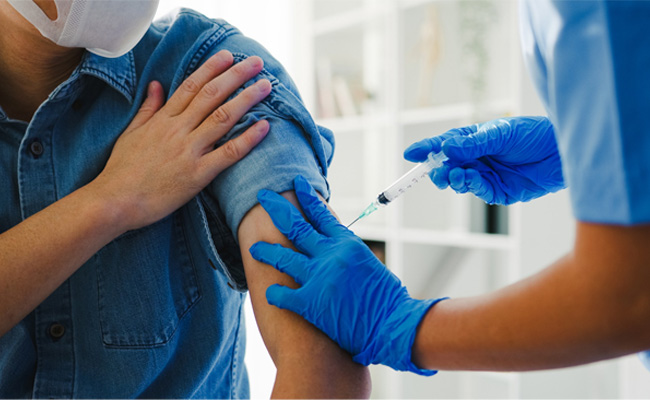
Mumbai (PTI): The Maharashtra government has set up a State Vaccination Task Force to strengthen the regular immunisation programme and review the progress of related campaigns, a health department official said on Monday.
The State Vaccination Task Force will comprise at least 29 members and will be headed by the administrative head of the health department, he informed.
The government has also constituted separate district-level and municipal vaccination task forces to improve implementation and address challenges at the grassroots level, he said.
Municipal task forces, chaired by respective civic commissioners, have been constituted in view of the vast urban population in Maharashtra and the role of civic bodies in implementing different health programmes.
The district-level task forces will function under the chairmanship of collectors.
"Complete immunisation of children at the appropriate age is an extremely simple, cost-effective and highly effective measure to reduce child mortality and the prevalence of diseases among kids. Immunisation is a powerful tool for reducing illness in children," maintained the official.
To ensure full vaccination of all children, the state government implements various campaigns from time to time as per the central government guidelines, he pointed out.
"Active participation and cooperation of other relevant government departments are essential (in making these campaigns successful)," according to the official.
The state-level body will review the regular immunisation programme, associated campaigns and vaccine-preventable diseases in detail. It will also conduct focused assessments of high-risk districts and municipal corporations, including vacancies at district, municipal and sub-district levels, availability of cold chain equipment, resource gaps and training requirements, he noted.
The state task force will review allocation and utilisation of funds for immunisation and ensure timely action by officers concerned based on reports from district and municipal task forces and state-level monitoring mechanisms, the official said.
It will also ensure active coordination and participation of other government departments in immunisation drives, while district and municipal task forces will carry out similar functions at their respective levels, the official added.