Ajit Pawar seeks PM's intervention in Maharashtra-Karnataka border row
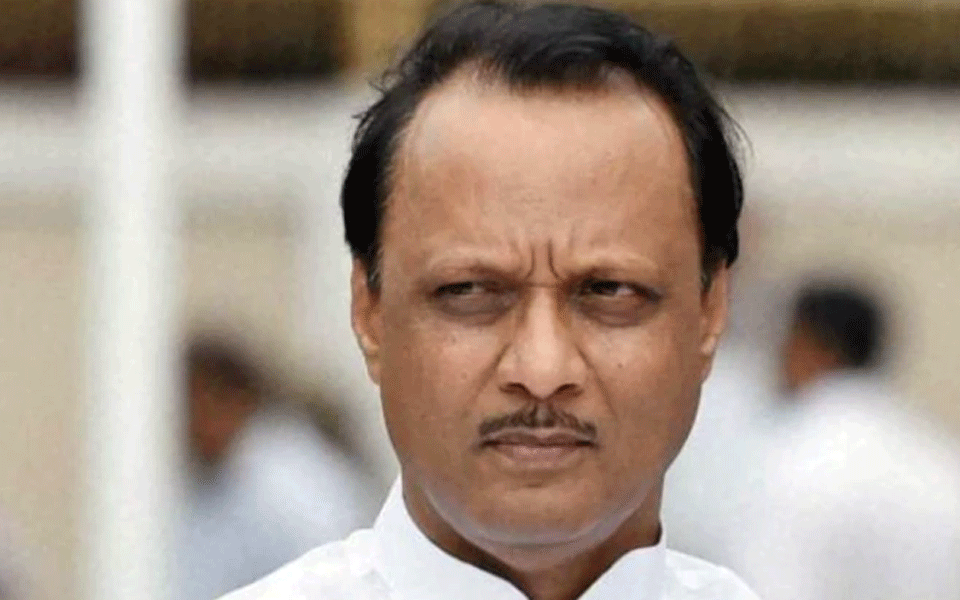
Mumbai, Aug 11 (PTI): Maharashtra Deputy Chief Minister Ajit Pawar has written a letter to Prime Minister Narendra Modi, seeking his intervention to resolve the state's long pending boundary dispute with neighbouring Karnataka.
In the letter dated August 9, Pawar appealed to Modi to take the lead in stopping the Karnataka government's "atrocities" on Marathi-speaking people and include the disputed areas in Maharashtra.
Maharashtra claims certain areas, including Belgaum, Karwar and Nippani which are part of Karnataka, contending the majority of population in these areas is Marathi-speaking.
The dispute between the two states over Belgaum and other border areas is pending before the Supreme Court for many years.
Pawar said it has been more than 60 years since the formation of Maharashtra state, with Mumbai as its capital, but, Belgaum, Karwar, Bidar, Bhalki, Nippani and other Marathi-speaking areas of Karnataka are still not in Maharashtra.
"People of Maharashtra and those living in the Marathi-speaking areas of Karnataka bordering Maharashtra regret that the issue hasn't been resolved yet," the NCP leader said.
Maharashtra will not rest till the dream of a "Sanyukta Maharashtra", including Marathi-speaking areas along the border, is realised, he said.
"The fight through legal means will continue. We want you to take cognisance of wishes of the people of Maharashtra and ensure justice," Pawar said in his letter to the PM.
Currently, the legal battle is on in the Supreme Court and "we are confident that Maharashtra will get justice", he said.
"We seek your help in ensuring justice to Marathi people from border areas of Karnataka. I am sure you will do so," the deputy CM said in the letter.
Let the Truth be known. If you read VB and like VB, please be a VB Supporter and Help us deliver the Truth to one and all.
TN CM Vijay’s first orders include 200 units free power for domestic consumers
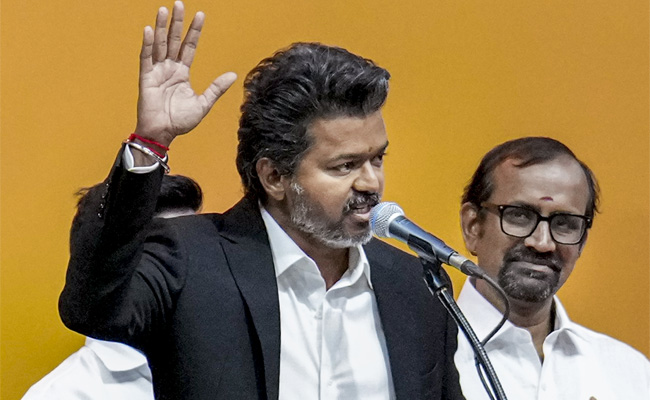
Chennai: Tamilaga Vetri Kazhagam (TVK) founder C Joseph Vijay began his tenure as Tamil Nadu Chief Minister on Sunday by signing his first set of files, approving 200 units of free electricity for domestic consumers, forming a special force for women’s safety, and setting up anti-drug units across the state.
In his first address after assuming office, Vijay said his government would work for “real secularism and social justice” and promised transparent administration. He further said his government would focus on the implementation of manifesto promises, with priority to education, healthcare, food supply, and women’s safety. He also said there would be no power centres other than the Chief Minister in the government.
He also announced a white paper on the state’s finances for the 2021-2026 period, referring to the financial situation of the previous DMK government.
He thanked alliance parties including the Congress, VCK, IUML, and Left parties for supporting the formation of the government.
Vijay also acknowledged voters and party cadres, saying their efforts contributed to the party’s victory.