Ajit Pawar's death: Shinde says he has lost 'elder brother'; plane crash will be probed
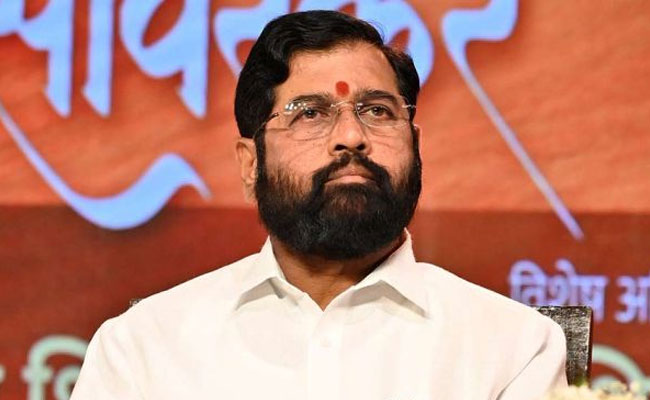
Mumbai (PTI): Maharashtra Deputy Chief Minister Eknath Shinde on Wednesday described the death of his fellow Deputy CM Ajit Pawar as sad and unfortunate and said the aircraft accident that claimed his life will be probed.
Speaking to reporters, Shinde said that with Pawar's demise, he has lost his "elder brother" who not only served as his colleague in different cabinets but was also his deputy when he helmed the government from 2022 to 2024.
"It is a very painful incident...very sad and unfortunate for Maharashtra. The aircraft accident will be probed," the former chief minister said.
"This loss is not just of the Pawar family but of the entire state. I am feeling as if I have lost my elder brother," Shinde added, while describing it as a "dark day" for Maharashtra.
Pawar, 66, and four other persons were killed after the aircraft carrying them crashed in Pune district on Wednesday morning, officials said.
Shinde said Pawar had a pure mind and was a very straightforward, fearless leader, with a grip on administration.
He recalled how Pawar, as the then finance minister, made fiscal arrangements when his government (in 2024) decided to roll out the Ladki Bahin Yojana, which provides a monthly assistance of Rs 1,500 to women in the state.
"We (Shinde, Pawar and Chief Minister Devendra Fadnavis) worked as a team," Shinde said, highlighting that their bond went far beyond political titles.
"He was older than me in experience and age. Today, we have lost a visionary, outspoken and studious leader. He was not only my colleague, but a very dear friend. This untimely demise is a shock to my soul," the Shiv Sena leader said.
Shinde recalled how Pawar managed the state's treasury without letting development work stall.
Despite it being a three-party coalition government, Shinde emphasised that Pawar ensured the administration functioned as a single, united unit.
He remembered Pawar's "sharp and on-the-spot" decision-making and his quality of time management.
"Rather than dreamy presentations and mere rhetoric, he would examine practical matters. Whenever a concept came up, he would force everyone to think: how long would it last, and who would it benefit?" Shinde noted.
While Pawar was a strict disciplinarian who never broke the framework of etiquette, his "clear, soft humour and poignant jokes" were loved by everyone in the legislative assembly, he pointed out.
Shinde said Pawar was known to mentor juniors not by correcting their mistakes, but by teaching them how to prevent those mistakes from happening in the first place. He insisted that people's representatives study the long-term impact of their decisions on the lives of common citizens, the Sena leader added.
VIDEO | Mumbai: Maharashtra Deputy CM Eknath Shinde expresses grief and condolences over the demise of Deputy CM Ajit Pawar in an aircraft crash.
— Press Trust of India (@PTI_News) January 28, 2026
(Full video available on PTI Videos - https://t.co/hpwOAlBFag) pic.twitter.com/BHS8hPhVgf
Let the Truth be known. If you read VB and like VB, please be a VB Supporter and Help us deliver the Truth to one and all.
ACP arrested in Mumbai for obscene act in front of nine-year-old girl; sent to judicial custody
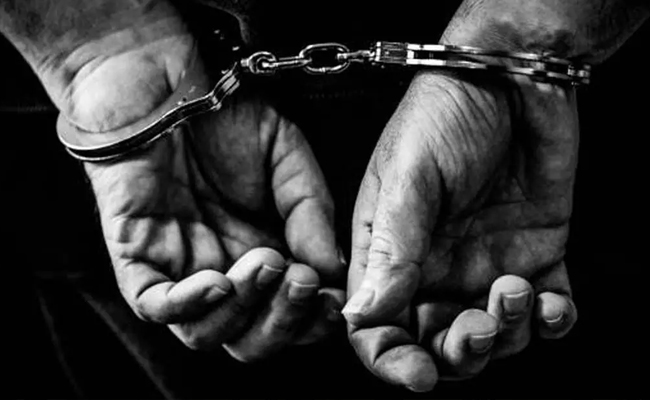
Mumbai: An assistant commissioner of police was arrested by Worli Police in Central Mumbai under charge of flashing his private parts before a nine-year-old girl.
The arrested officer is reportedly under judicial custody, at present, according to a report by The Times of India.
The incident occurred in a garden on April 23, a police officer has said, adding that they arrested the ACP soon after the complaint was filed. So far, only one party has filed a complaint against the senior officer, the source has informed.
The senior officer has been charged with molestation and under the Protection of Children from Sexual Offences (POCSO) Act, the police officer said.
Further investigation of the case is underway.