Allahabad High Court sets aside Afzal Ansari's conviction, he can continue as MP
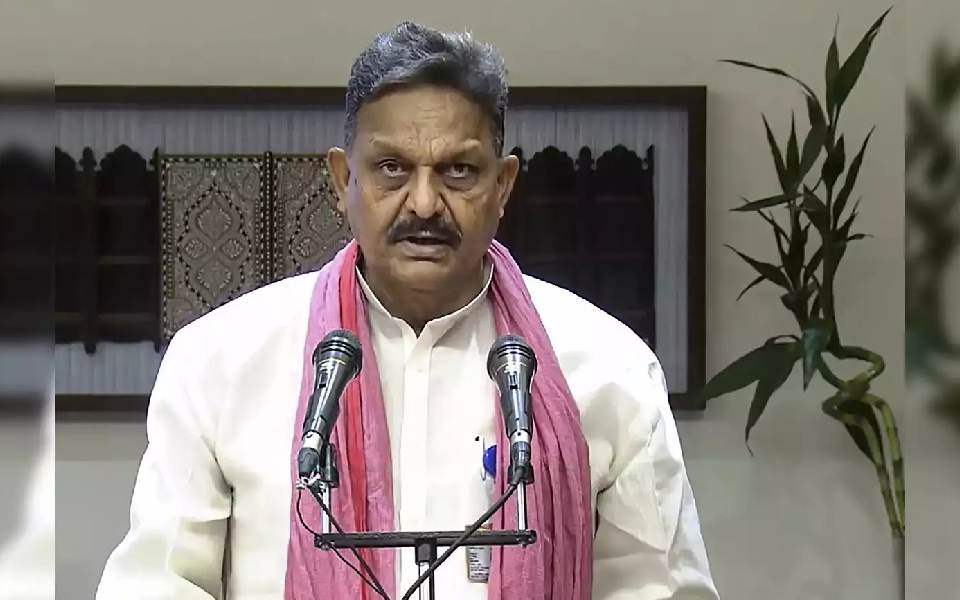
Prayagraj, Jul 29: The Allahabad High Court on Monday set aside a Ghazipur court order sentencing Samajwadi Party MP Afzal Ansari to four years' imprisonment under the Gangsters Act in a case linked to the murder of BJP MLA Krishnanand Rai in 2005.
With Justice S K Singh allowing his plea against the conviction, the SP MP can now continue as a member of Parliament.
The court also dismissed pleas by the UP government and Piyush Kumar Rai, Krishnanand Rai's son, seeking enhancement of the Ghazipur MP's sentence in the Gangsters Act case.
Afzal's brother gangster-turned-politician Mukhtar Ansari died earlier this year.
The court recalled that Ansari had already been acquitted in the "base case" of 2005, in which allegation of hatching conspiracy was levelled against him, before framing of charges under Section 3(1) of the Gangsters Act against him on September 23, 2022.
While setting aside the Ghazipur court's order the high court said that the prosecution could not prove its case and charges against the appellant "beyond reasonable doubt".
An MP-MLA court in Ghazipur had on April 29, 2023, convicted Ansari and sentenced him to four years in jail and imposed a fine of Rs 1 lakh in the Gangsters Act case.
Following this, Ansari was disqualified as an MP. He then filed a criminal appeal before the high court.
According to the Representation of the People Act, any MP or state legislator sentenced to imprisonment of two years or more is disqualified "from the date of such conviction" and remains disqualified for another six years after serving time.
On July 24, 2023, the high court granted bail to the five-time MLA and two-time MP but declined to stay his conviction in the case. As a result, though Afzal Ansari was released from jail, his membership of Parliament was not restored.
However, later the Supreme Court stayed his conviction. His membership of Parliament was thus restored, and he also became eligible to contest the 2024 Lok Sabha election.
The apex court directed the high court to expedite the hearing of his appeal.
The high court's judgment was reserved on July 4 this year.
Let the Truth be known. If you read VB and like VB, please be a VB Supporter and Help us deliver the Truth to one and all.
Centre launches national childhood diabetes screening, treatment framework
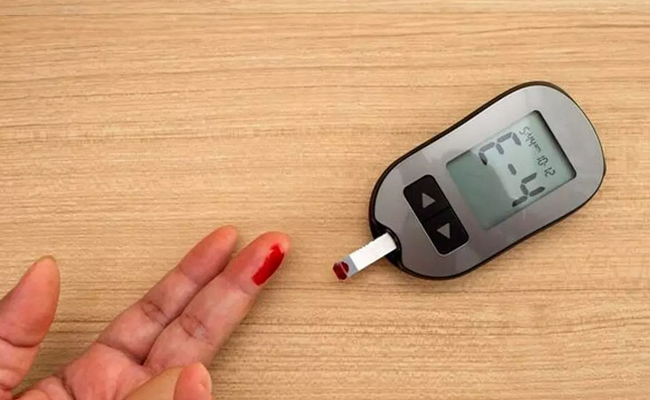
New Delhi (PTI): The Union Health Ministry on Sunday released a guidance document providing a framework for screening, diagnosis, treatment and long-term management of childhood diabetes.
According to the ministry, the document, for the first time, establishes a structured and standardised national framework, positioning India among a select group of countries that have integrated childhood diabetes care into the public health system.
The "Guidance Document on Diabetes Mellitus in Children" was released at the National Summit on Best Practices in Public Healthcare Service Delivery, concluded on May 1-2.
According to a statement by the ministry, the framework aims to ensure universal screening of all children from birth to 18 years through community and school-based platforms for early identification of diabetes.
Suspected cases will undergo immediate blood glucose testing and be referred to district-level health facilities for confirmatory diagnosis and treatment, it said.
A key feature of the initiative is the provision of a comprehensive free-of-cost care package at public health facilities, including screening, diagnostic services, lifelong insulin therapy, glucometers, test strips and regular follow-up care.
The initiative seeks to reduce the financial burden on families and ensure uninterrupted treatment for children diagnosed with diabetes.
The document also lays down an integrated continuum of care linking community-level screening with district hospital-based management and advanced care at medical colleges to ensure seamless follow-up and treatment.
To strengthen early detection, the guidance promotes the "4Ts" awareness framework -- Toilet, Thirsty, Tired and Thinner -- to help parents, teachers and caregivers recognise early warning signs of type 1 Diabetes.
Besides clinical protocols, the document focuses on family and caregiver empowerment through structured training on insulin administration, blood glucose monitoring, emergency response and daily disease management.
The statement stated the initiative is expected to reduce mortality through early detection, prevent complications and improve the quality of life of affected children while strengthening the public health system's capacity to manage non-communicable diseases among children.