Amit Shah was given water bottle worth Rs 850 during Goa trip: Minister
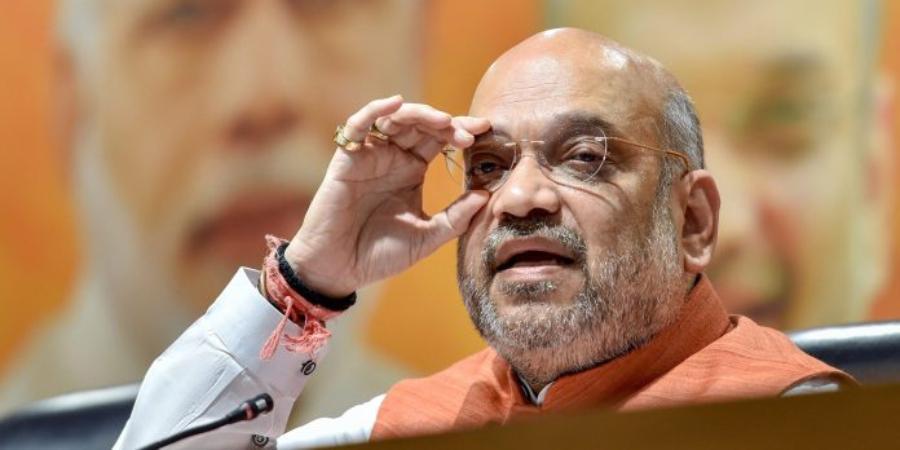
Panaji, May 11: Union Home Minister Amit Shah was given a mineral water bottle worth Rs 850 during his trip to Goa and it was brought from a town located around 10km away from Panaji, state Agriculture Minister Ravi Naik said on Tuesday.
Naik mentioned about the expensive buy while making a strong pitch for rainwater harvesting in Goa and explaining how water will become a scarce and precious resource in the future.
When Amit Shah was in Goa (for campaigning for February Assembly polls), he asked for a Himalaya (brand) water bottle. It was then brought from Mapusa (located around 10km from Panaji), Naik said, addressing an event in South Goa.
The mineral water which was purchased for Shah costs Rs 850 per bottle, he said.
Even the rate of mineral water bottles available in star hotels hovers in the range of Rs 150-Rs 160. This is how expensive water has become," Naik added.
Naik, a former Goa chief minister, in the past has pushed for constructing dams across rivers to accumulate water, which he said, can be sold to Gulf countries in exchange for fuel.
The government can build dams across the state, wherever there are mountains, and store water, he said at the event, warning people will fight for water in the future due to shortages.
Let the Truth be known. If you read VB and like VB, please be a VB Supporter and Help us deliver the Truth to one and all.
Congress using hijab issue to pacify minority anger, alleges Karnataka LoP R Ashoka
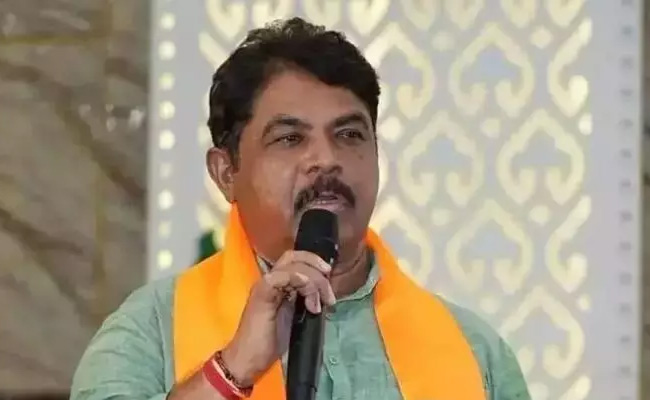
Bengaluru: Leader of Opposition in the Assembly R. Ashoka has accused the Congress government of using the hijab issue to placate what he described as discontent among minority voters after the Davanagere by-election.
In a post on X on Wednesday, Ashoka alleged that the state government, instead of addressing issues such as price rise, corruption, farmers’ distress and law and order, was attempting to retain its minority vote base by reviving the hijab issue.
Referring to the 2022 dress code introduced by the BJP government, which prohibited hijab in schools and colleges, Ashoka said the Karnataka High Court had upheld the policy and emphasised the importance of discipline in educational institutions.
He questioned the Congress government’s move to revisit the issue and asked whether setting aside the court-backed policy to benefit one community could be described as secularism.
Ashoka further alleged that while the government was willing to permit hijab, it continued to prohibit saffron shawls.
He accused the government of dividing students on religious lines rather than treating schools and colleges as spaces of equality.
Drawing a comparison with Mamata Banerjee’s government in West Bengal, Ashoka claimed that excessive appeasement politics had harmed the state and warned that the Congress in Karnataka could face a similar political response.
He said voters in Karnataka would teach the Congress a lesson for what he termed “vote-bank politics” and for compromising constitutional and judicial principles.