Anti-ship version of BrahMos missile successfully test-fired
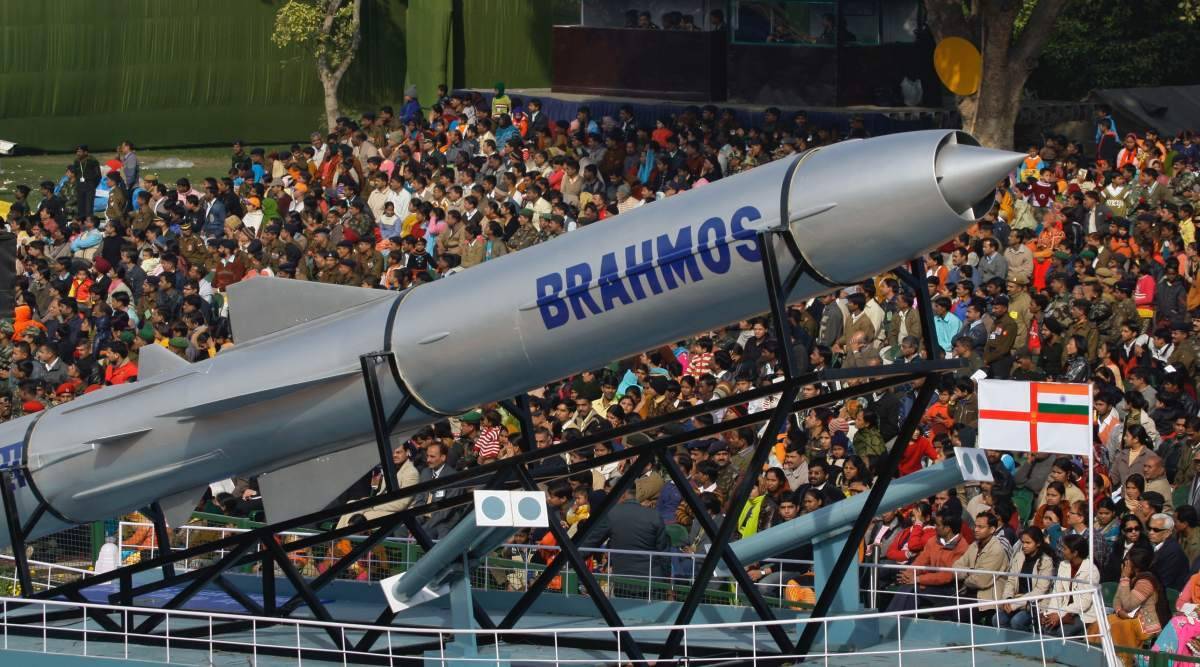
New Delhi, Apr 28: An anti-ship version of the BrahMos supersonic cruise missile was successfully test-fired jointly by the Indian Navy and the Andaman and Nicobar Command.
In a tweet, the Andaman and Nicobar Command said the test-firing was carried out on Wednesday.
The Andaman and Nicobar Command is the only tri-services command of the Indian armed forces.
"#IndianNavy & #ANC yet again demonstrate #CombatReadiness by successfully destroying target at sea through #AntiShip version of #BrahMos at A&N Islands on 27 Apr," it said.
On April 19, the Indian Air Force (IAF) successfully test-fired the BrahMos missile from a Sukhoi fighter jet on the Eastern seaboard.
Last month, the Indian Navy successfully test-fired an advanced version of the Brahmos missile from a stealth destroyer in the Indian Ocean.
BrahMos Aerospace, an India-Russian joint venture, produces supersonic cruise missiles that can be launched from submarines, ships, aircraft, or land platforms.
BrahMos missile flies at a speed of 2.8 Mach or almost three times the speed of sound.
The range of the advanced version of the missile is learnt to have been extended to around 350 km from the original 290 km.
Let the Truth be known. If you read VB and like VB, please be a VB Supporter and Help us deliver the Truth to one and all.
Congress using hijab issue to pacify minority anger, alleges Karnataka LoP R Ashoka
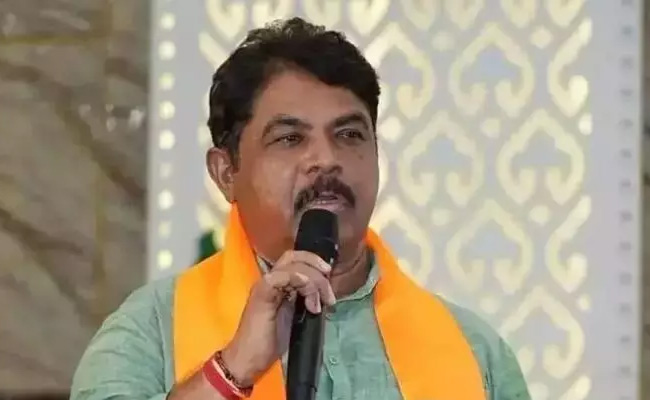
Bengaluru: Leader of Opposition in the Assembly R. Ashoka has accused the Congress government of using the hijab issue to placate what he described as discontent among minority voters after the Davanagere by-election.
In a post on X on Wednesday, Ashoka alleged that the state government, instead of addressing issues such as price rise, corruption, farmers’ distress and law and order, was attempting to retain its minority vote base by reviving the hijab issue.
Referring to the 2022 dress code introduced by the BJP government, which prohibited hijab in schools and colleges, Ashoka said the Karnataka High Court had upheld the policy and emphasised the importance of discipline in educational institutions.
He questioned the Congress government’s move to revisit the issue and asked whether setting aside the court-backed policy to benefit one community could be described as secularism.
Ashoka further alleged that while the government was willing to permit hijab, it continued to prohibit saffron shawls.
He accused the government of dividing students on religious lines rather than treating schools and colleges as spaces of equality.
Drawing a comparison with Mamata Banerjee’s government in West Bengal, Ashoka claimed that excessive appeasement politics had harmed the state and warned that the Congress in Karnataka could face a similar political response.
He said voters in Karnataka would teach the Congress a lesson for what he termed “vote-bank politics” and for compromising constitutional and judicial principles.