Antwerp court clears fugitive jeweller Mehul Choksi's extradition: Officials
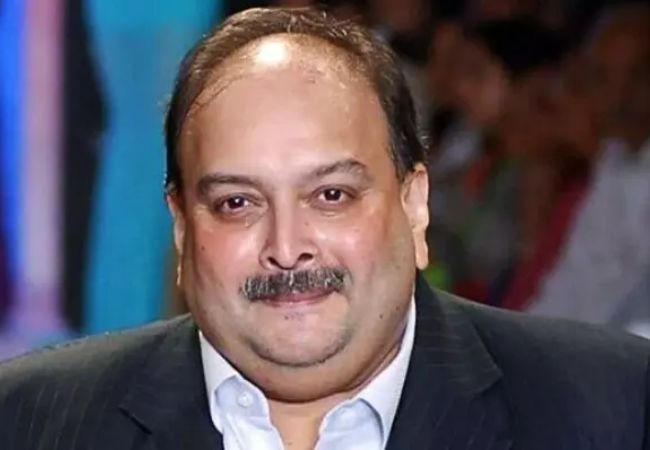
New Delhi (PTI): A court in Antwerp on Friday cleared the extradition of fugitive diamantaire Mehul Choksi, noting that his arrest by the Belgian authorities on India's request was valid, officials in the know of the development said.
The order has come as a strong validation for India's case seeking his extradition, with Choksi having the option of appealing against the decision in a superior court in Belgium, they said.
"The order has come in our favour. The court has termed his arrest by the Belgian authorities on India's request valid. The first legal step in getting him extradited is now clear," a senior official said.
Belgian prosecutors were aided by Indian officials from the external affairs ministry and the CBI in putting forth strong arguments on Choksi's alleged crime in orchestrating a Rs 13,000 crore scam in the Punjab National Bank in collusion with his nephew Nirav Modi.
The prosecutors told the court that he remains a flight risk and cannot be released from prison, the officials said.
After hearing the Belgian prosecutors and Choksi's defence lawyers during the hearings in mid-September, the court concluded that his arrest was valid.
Choksi (66) was arrested in Belgium on April 11 on the basis of the extradition request sent by the CBI, they said. His bail applications have been rejected by different courts in that country.
India has also assured the Belgian authorities that if extradited, Choksi would be housed in Barrack No. 12 at the Arthur Road jail in Mumbai, with no chance of overcrowding or solitary confinement, as at least one more economic offender is expected to be housed in his cell.
The Union home ministry informed the Belgian authorities through a September 4 communique that the personal living space for each inmate in Barack No. 12 is in line with and fully meets the minimum space requirement of the Committee for the Prevention of Torture and Inhuman or Degrading Treatment or Punishment (CPT) of Europe.
Choksi had fled to Antigua and Barbuda in the Carribbean where he had taken citizenship.
After he was stopped in Belgium, the CBI, the external affairs ministry, and the home ministry swung into action to get him extradited to India to face the law.
India has assured that the cell in which Choksi will be detained will meet European standards -- sized approximately 20 feet by 15 feet with a separate toilet and washroom, ventilators, and a grilled main door, which provides sufficient air circulation.
It also assured "high-level of security" in the cell, with a clean, thick cotton mat, pillow, bed sheet, and blanket. The cell would be swept and mopped daily, along with supply of fresh drinking water, outdoor exercises, rest areas, board games such as chess and carrom, and badminton, the prison department said.
Art of Living yoga sessions are also provided to the inmates of the barrack.
Daily newspapers in English and local languages, terrestrial TV channels, videoconferencing facilities, and telemedicine services are also available in the prison.
Meeting with blood relatives is permitted once a week, while lawyer meetings are allowed daily, it said.
Choksi and his nephew Nirav Modi are wanted in a Rs 13,000 crore fraud in the Punjab National Bank, which they allegedly orchestrated through fraudulent letters of undertaking (LoUs) in connivance with some bank officials at PNB's Brady House branch in Mumbai, the officials said.
Nirav Modi, declared a fugitive economic offender, has been lodged in a London jail since he was held by the authorities there in 2019 on the basis of a legal request made by the ED and the CBI in this case.
He is contesting his extradition to India.
The CBI also invoked United Nations Convention against Transnational Organized Crime (UNTOC) and United Nations Convention against Corruption (UNCAC) in its extradition request.
At least two open-ended arrest warrants, issued by a special court in Mumbai in 2018 and 2021, were shared by the Indian agencies with their Belgian counterparts as part of the extradition request, sources said.
According to the investigating agencies, officials at PNB's Brady House branch issued 165 LoUs and 58 FLCs during March-April 2017, against which 311 bills were discounted.
These LoUs and FLCs were allegedly issued to Choksi's firms without any sanctioned limit or cash margin and without making entries in PNB's central banking system to evade any scrutiny in case of a default.
LoUs are a guarantee given by a bank on behalf of its client to a foreign bank. If the client does not repay the foreign bank, the liability falls on the guarantor bank.
Based on the LoUs issued by the PNB, money was lent by the SBI, Mauritius; Allahabad Bank, Hong Kong; Axis Bank, Hong Kong; Bank of India, Antwerp; Canara Bank, Manama; and SBI, Frankfurt.
"Since the accused companies did not repay the amount availed against the said fraudulent LoUs and FLCs, PNB made the payment of Rs 6,344.97 crore (USD 965.18 million), including the overdue interest, to the overseas banks, which had advanced buyer's credit and discounted the bills against the fraudulent LoUs and FLCs issued by the PNB," the CBI's supplementary chargesheet in the PNB bank fraud case alleged.
Let the Truth be known. If you read VB and like VB, please be a VB Supporter and Help us deliver the Truth to one and all.
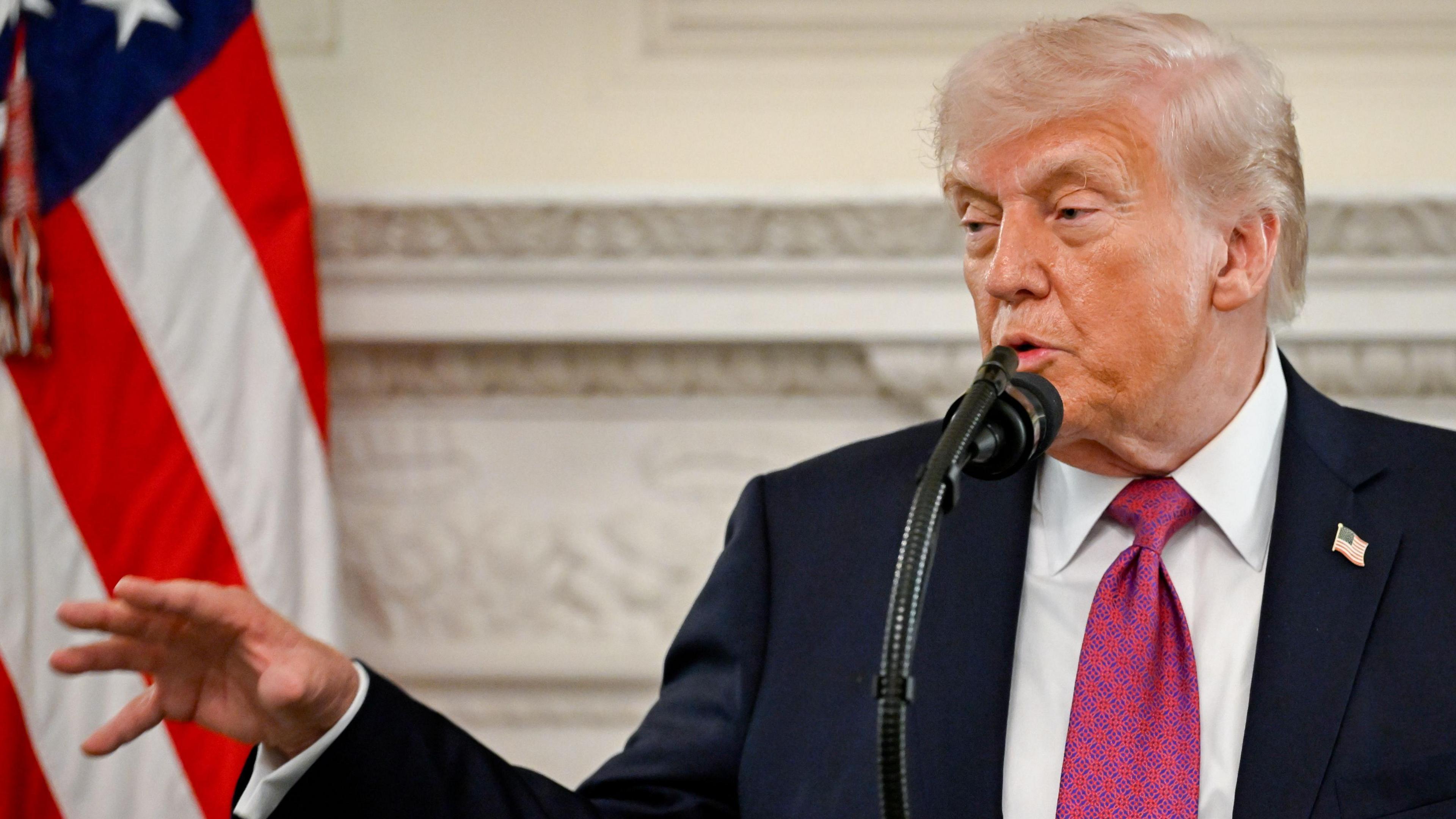
Trump says suspect was armed with multiple weapons at WH correspondents' dinner
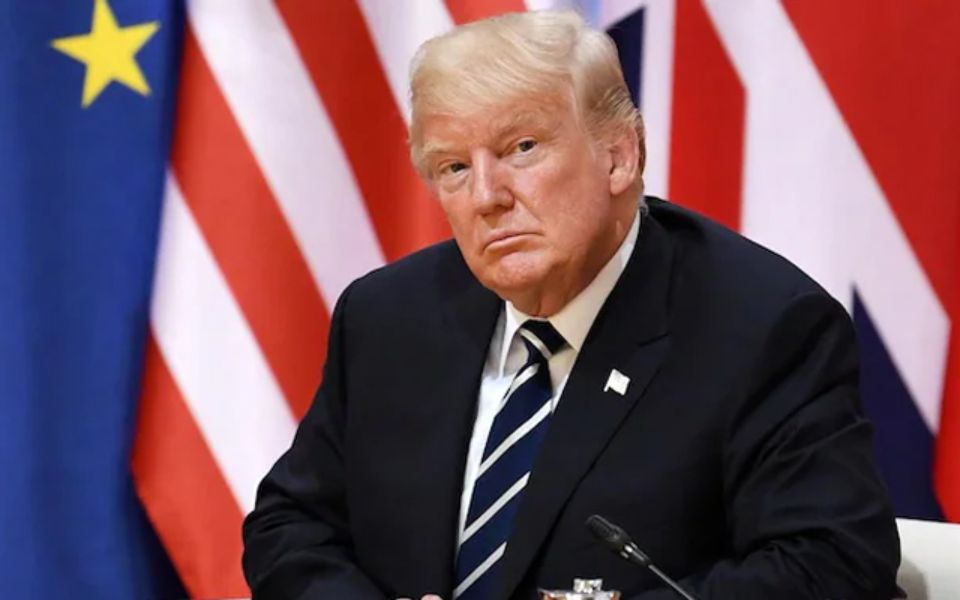
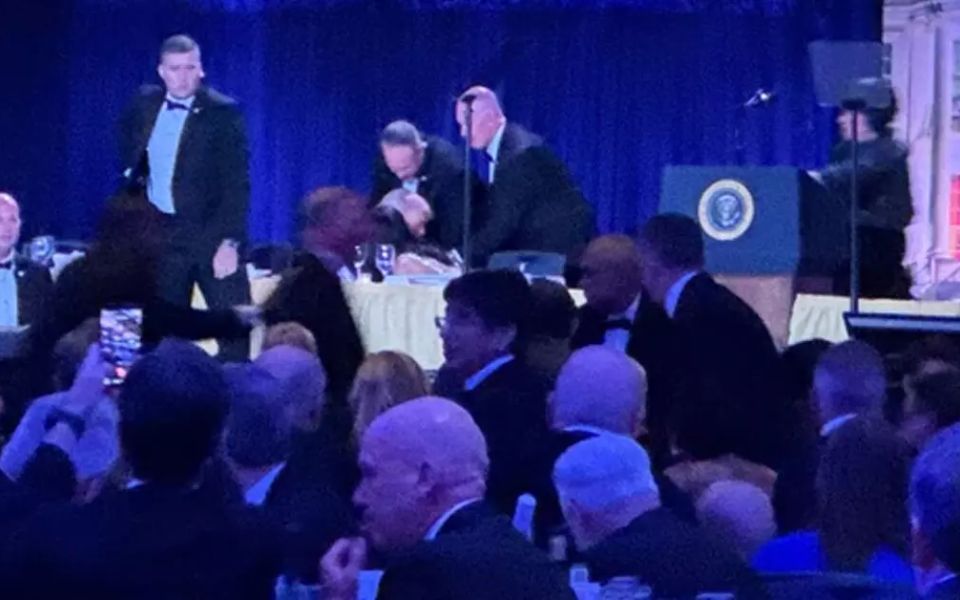
Washington (PTI): President Donald Trump is addressing reporters at the White House after he and other top leaders of the United States were evacuated from an annual dinner of White House correspondents on Saturday night after a shooting incident outside the ballroom.
Trump said the suspect was armed with multiple weapons before stopped by Secret Service. One officer was shot, but he was protected by a bulletproof vest.
“He was shot from very close distance with a very powerful gun, and the vest did the job,” Trump said.