Around 125 PACS under liquidation in Karnataka: Cooperation Minister Amit Shah
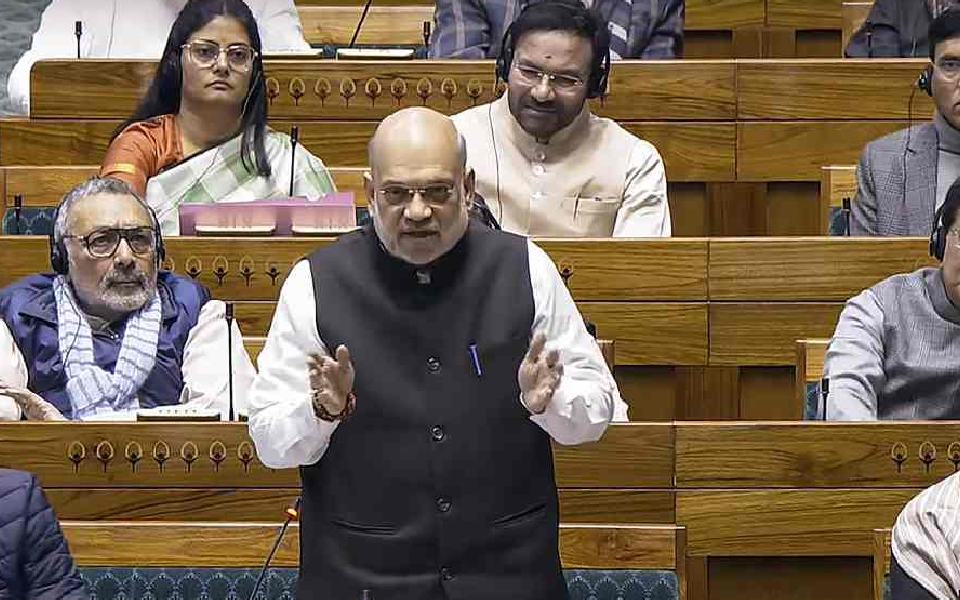
New Delhi, Aug 5 (PTI): As many as 125 out of total 6,291 Primary Agricultural Credit Societies (PACS) in Karnataka are under liquidation, Cooperation Minister Amit Shah informed Parliament on Tuesday.
Out of 125 PACS, 28 cooperatives are located in Chikkaballapura, followed by 13 in Hassan and 12 in Belagavi, as per the data placed before the Lok Sabha.
According to Shah, there are a total 6,291 PACS in Karnataka, out of which 64 are non-functional/dormant at present, while 125 are under liquidation.
In the last five years, 428 new PACS were registered in the state with the highest 187 in Belagavi, he said in a written reply to the Lower House.
At an all-India level, 4,964 PACS were registered in 2024-25 fiscal across the country.
The minister said National Cooperative Development Corporation (NCDC) disbursed Rs 25.56 crore to PACS in Karnataka in five years till 2024-25.
Under a pilot project to construct a grain storage unit, the minister said a 1,000-tonne godown with a processing unit has been constructed at Primary Agriculture Cooperative Federation, Ekamba, Bidar in Karnataka.
For computerisation of PACS, the minister said of the 6,582 PACS sanctioned in Karnataka, hardware has been delivered to 5,491 PACS, 3,765 cooperatives have been onboarded onto the ERP system, 1,930 cooperatives are live on Enterprise Resource Planning (ERP) and 1,728 have completed by-end operations.
The Centre has released Rs 55.64 crore to Karnataka under the computerisation project, he added.
Let the Truth be known. If you read VB and like VB, please be a VB Supporter and Help us deliver the Truth to one and all.
Right to vote under threat, must be made fundamental right: Cong's Jairam Ramesh
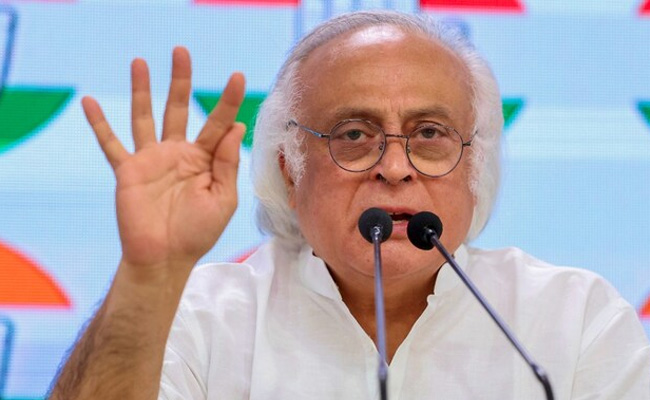
New Delhi (PTI): Congress leader Jairam Ramesh alleged on Thursday that the right to vote is under threat and the time has come when it should be made a fundamental right for citizens.
Speaking with reporters, Ramesh lashed out at Chief Election Commissioner (CEC) Gyanesh Kumar, saying the Election Commission (EC) has never been as compromised as it has been under him.
"The rot started under his predecessor. This man is a player and not a neutral observer," the Congress leader said, slamming Kumar.
Kumar is completely compromised and has become a player in elections, he alleged.
"Home Minister Amit Shah had talked about three Ds -- detect, delete and deport. So we want to know how many non-Indian citizens have been detected, how many have been deleted and how many have been deported," Ramesh said, adding that the right to vote is now under threat.
On opposition parties submitting a fresh notice in the Rajya Sabha, seeking to move a motion for the CEC's removal, the Congress leader said they will continue to make efforts for Kumar's removal as he is "compromised".
Ramesh also batted for the right to vote to be recognised as a fundamental right.
"I believe that the time has come that the right to vote should be made a fundamental right. It is a statutory right, it is not a fundamental right. Fundamental rights are justiciable," he said.
The former Union minister said this was discussed in the Constituent Assembly, but it was eventually decided that it should be made part of the Constitution.
B R Ambedkar and Jagjivan Ram had warned that in the future, governments might try to disenfranchise voters, he added.
"Once and for all, include the right to vote as a fundamental right for Indian citizens," Ramesh asserted.