Assam cabinet approves Bill to ban polygamy, victim women to get compensation
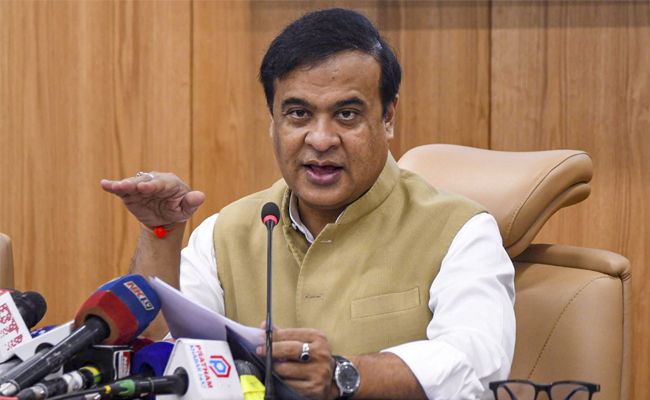
Guwahati (PTI): Assam Chief Minister Himanta Biswa Sarma on Sunday said that the state cabinet has approved a Bill to ban polygamy, for which convicts may face up to seven years of rigorous imprisonment.
However, there may be some exceptions for the Sixth Schedule areas.
Addressing a press conference after a cabinet meeting here, Sarma said the government will also create a new fund to compensate the women victims of polygamy so that they do not face hardship in continuing with their lives.
"The Assam cabinet today approved a Bill to ban polygamy. The Bill will be called 'The Assam Prohibition of Polygamy Bill, 2025'. It will be tabled in the assembly on November 25," he added.
Sarma said that if an accused is convicted of polygamy, he may face rigorous imprisonment of up to seven years.
"We have also decided to create a fund to give compensation to the victim women. The government will help with financial support in the required cases so that no woman faces hardship in her life," he added.
Let the Truth be known. If you read VB and like VB, please be a VB Supporter and Help us deliver the Truth to one and all.
Lebanon appoints new representative for talks with Israel, rejects linkage to Iran
Beirut: Lebanon’s has moved to underline its independent position in ongoing regional developments, amid attempts to link the country to the broader conflict involving Iran, the United States and Israel.
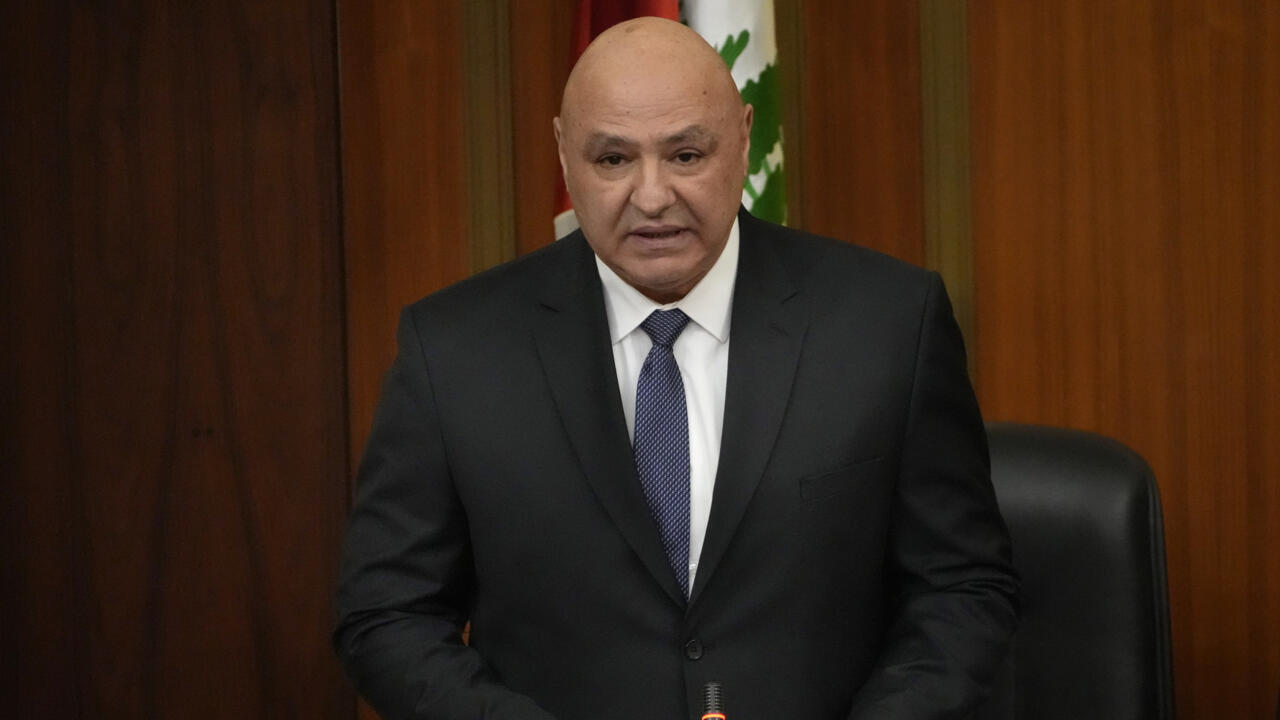
President Joseph Aoun, while announcing the appointment of former US ambassador Simon Karam as Lebanon’s representative in talks with Israel, made it clear that Karam would be the sole representative for Lebanon and that there would be no substitute.
The move comes in response to what the Lebanese officials see as efforts by Iran to tie Lebanon’s situation to the wider regional conflict. Iran had indicated that there would be no ceasefire involving the US, Israel and Iran unless it also included a ceasefire in Lebanon.
Some groups, including Hezbollah and its supporters, had expressed support for linking the situations, citing concerns that the Lebanese government has limited leverage in negotiations with Israel. Lebanon is not formally a party to the conflict, and its army is considered weak.
However, others, including Prime Minister Nawaf Salam, have opposed this approach. They view Iran’s stance as an attempt to influence Lebanon’s internal affairs and see it as undermining the country’s sovereignty.
Officials backing the government’s position say the move is aimed at reaffirming Lebanon’s sovereignty and ensuring that decisions about peace and ceasefire within the country are not dictated externally.
They also see it as a safeguard, so that any breakdown in talks between the US, Israel and Iran does not automatically lead to renewed conflict in Lebanon.