Assam CM Himanta decides to stop issuing Aadhaar cards to adults to check infiltrators

Guwahati: The Assam government has decided to halt the issuance of Aadhaar cards to adults above the age of 18, except for individuals from Scheduled Castes (SC), Scheduled Tribes (ST), and tea garden communities. The decision, which will come into effect in October, is part of the state’s ongoing efforts to curb alleged fraudulent Aadhaar enrollments by illegal migrants.
The announcement was made following a Cabinet meeting chaired by Chief Minister Himanta Biswa Sarma. The new policy will restrict first-time Aadhaar registrations for adults, with District Commissioners being granted the authority to issue Aadhaar cards in only the “rarest of rare” cases.
However, the restriction will not apply for one year to SC, ST, and tea garden communities, during which time the government aims to complete the Aadhaar enrollment for left-out individuals from these groups.
Speaking on the rationale behind the decision, Sarma said that it was part of the state’s strategy to prevent illegal immigrants, particularly those from Bangladesh, from acquiring Indian citizenship through Aadhaar. "For the past year, we have been actively apprehending illegal migrants. Yesterday, we pushed back seven of them. We are not sure we can catch all of them, so this measure is designed to safeguard against infiltrators gaining Indian citizenship through Aadhaar," he said.
In a related development earlier this year, the state government had also targeted Aadhaar cardholders who had failed to apply for inclusion in the National Register of Citizens (NRC). Sarma had previously highlighted discrepancies in the distribution of Aadhaar cards, pointing out that four districts—Barpeta, Dhubri, Morigaon, and Nagaon—had reported more Aadhaar registrations than their projected populations.
Let the Truth be known. If you read VB and like VB, please be a VB Supporter and Help us deliver the Truth to one and all.
Yenepoya University conducts autism awareness campaign in Mangaluru
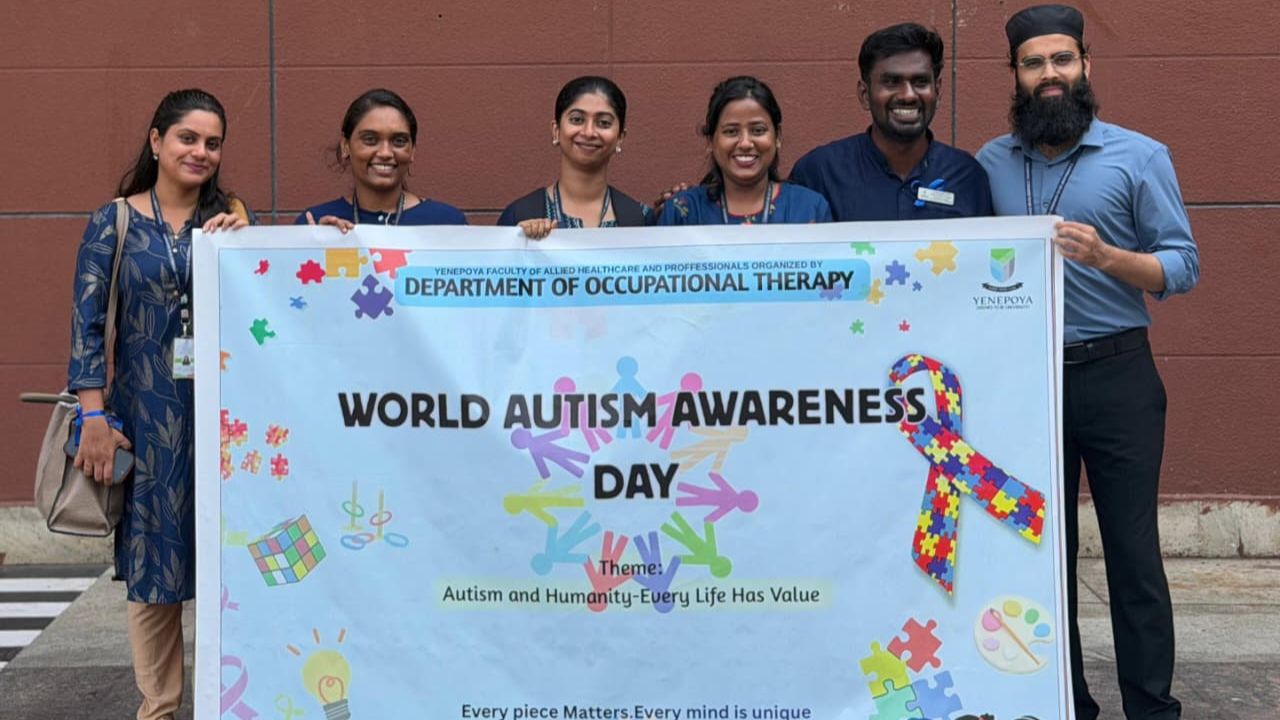
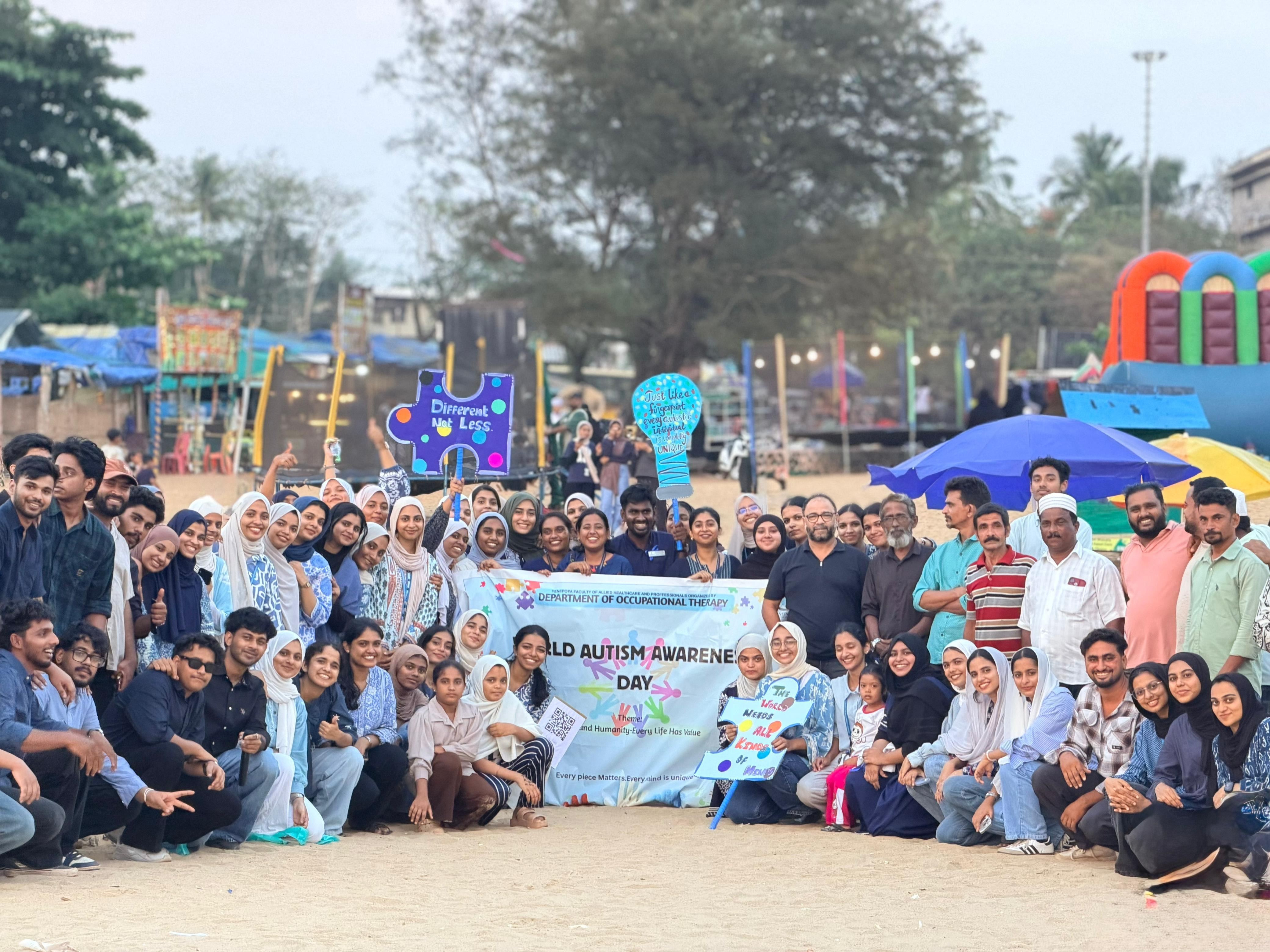
Mangaluru: The Department of Occupational Therapy at Yenepoya (Deemed to be University) conducted a community-based Autism Awareness Campaign at Fiza Mall and Ullal Beach in the city.
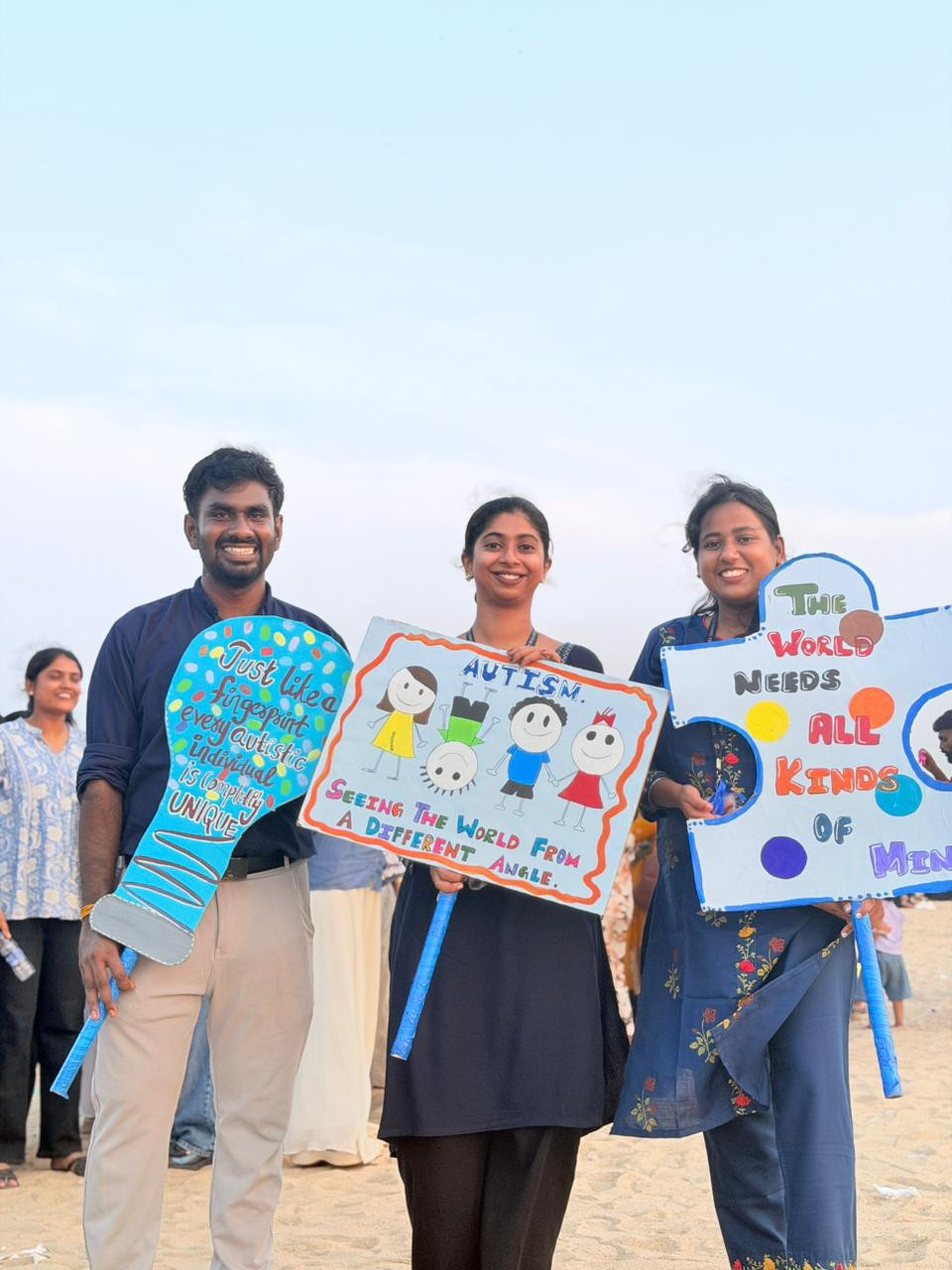
The campaign was aimed at promoting awareness, inclusion, and early identification of autism, in line with the global theme, “Autism and Humanity – Every Life Has Value.”
The programme was led by Dr. Dhayanithi K and Dr. Ananya Jana as organising chairpersons, with Dr. Anas, Dr. Amanda S. Phillip, and Dr. Ansu V. David served as organising members.
Students of the Bachelor of Occupational Therapy (BOT) programme participated in conducting the campaign.
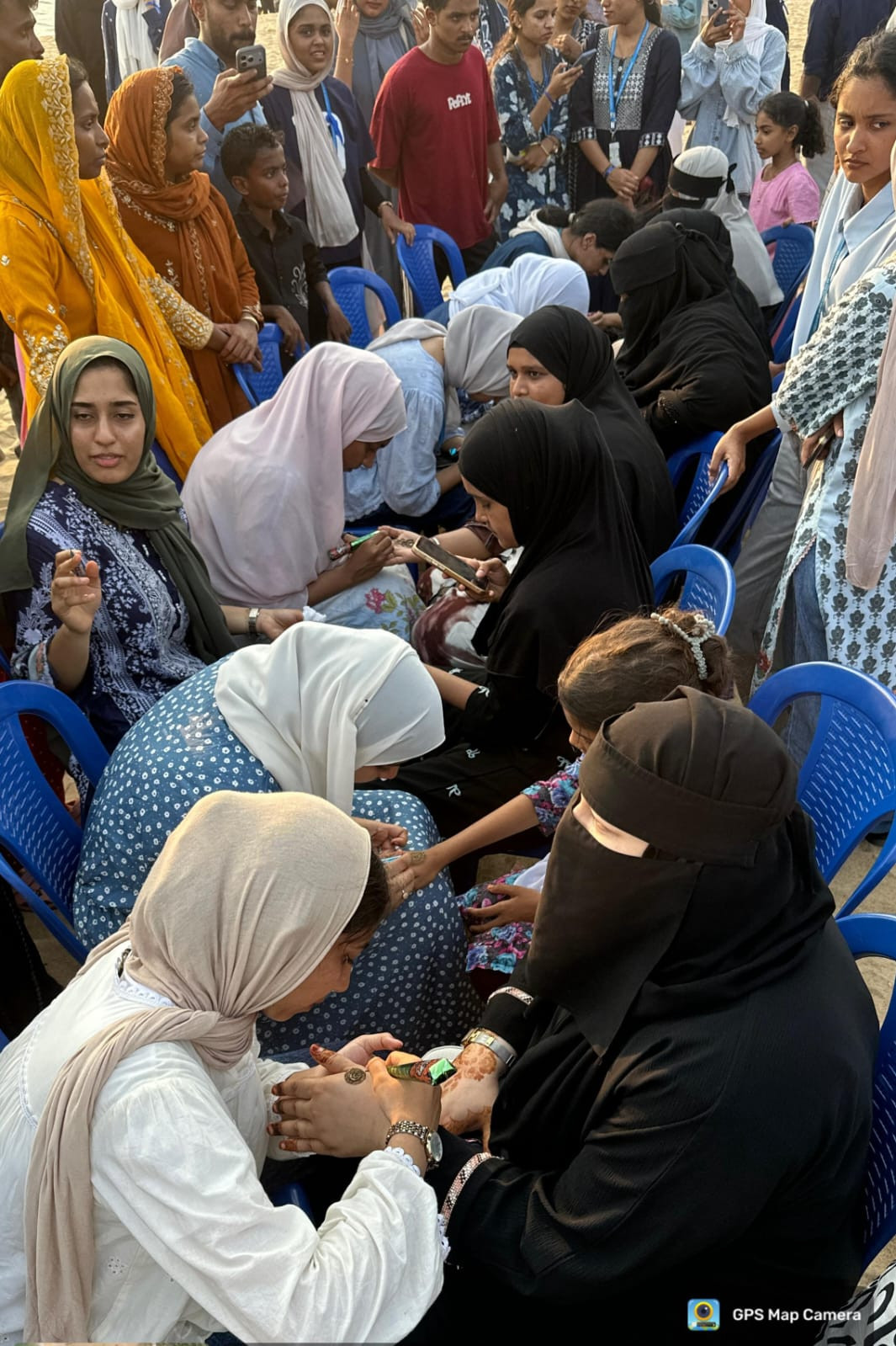
The event included activities such as flash mobs, street plays, face painting, mehendi, and direct interaction with the public.
These activities focused on highlighting early signs of autism, the need for early intervention, and the importance of inclusion and acceptance of individuals with autism.
The campaign reached around 300 to 500 members of the public. It also provided students with practical exposure to community-based rehabilitation and public health education.
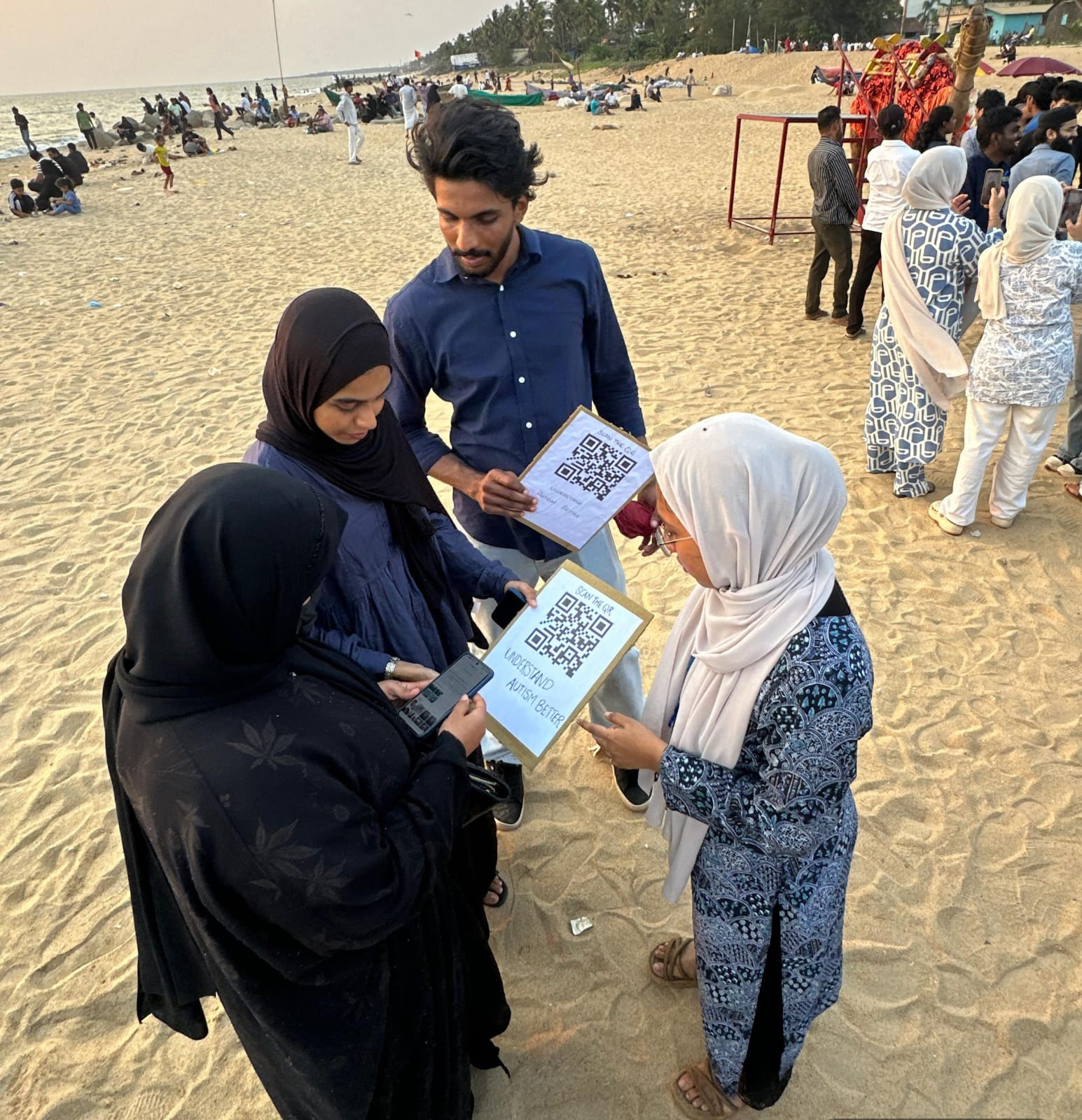
As part of the initiative, QR-based digital resources were introduced to help the public access reliable information on autism.
“Awareness is the first step towards inclusion, and early intervention can significantly improve outcomes,” the organising team said.
The department thanked the university for its support in organising the campaign. It also acknowledged the cooperation of the management of Fiza Mall and the Ullal Beach Police Department in facilitating the event.