Assembly polls: EC allows padayatras, 4 more hours of campaigning in a day
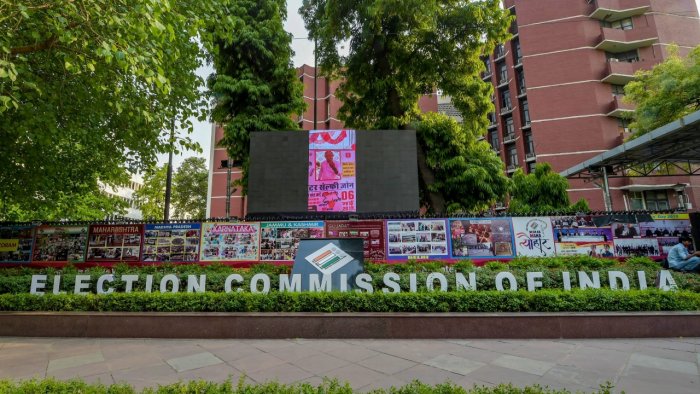
New Delhi, Feb 12: The Election Commission on Saturday further relaxed COVID-19-induced restrictions on the assembly poll campaign in five states, allowing padayatras with a limited number of people and increasing the number of hours campaigning can take place in a day.
According to the poll panel, election campaign can now be conducted between 6 am and 10 pm instead of earlier 8 am to 8 pm.
This will give candidates and parties four more hours to campaign in a day.
Citing the rise in COVID-19 cases, the poll panel had imposed a ban on physical rallies, roadshows and padayatras when it announced the assembly poll schedule for Uttar Pradesh, Uttarakhand, Goa, Punjab and Manipur on January 8.
The commission has been reviewing the pandemic situation periodically and allowing some relaxations.
According to an EC statement, political parties and candidates can campaign outdoor with a maximum of 50 per cent of the capacity of the designated open spaces or the limit prescribed by state disaster management authorities, whichever is less.
So far the limit for such outdoor events such as meetings and rallies was 30 per cent of the open space or ground capacity.
On padayatra, the EC said such a gathering cannot consist of more people than the number permitted by state disaster management authorities.
The assembly polls began on February 10 and will conclude on March 7. The results will be declared on March 10.
Let the Truth be known. If you read VB and like VB, please be a VB Supporter and Help us deliver the Truth to one and all.
Congress using hijab issue to pacify minority anger, alleges Karnataka LoP R Ashoka
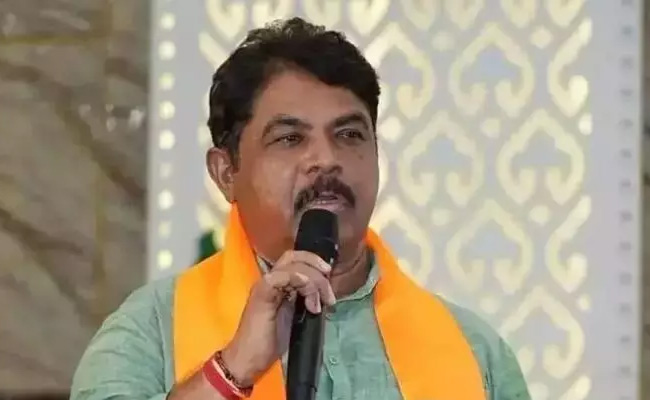
Bengaluru: Leader of Opposition in the Assembly R. Ashoka has accused the Congress government of using the hijab issue to placate what he described as discontent among minority voters after the Davanagere by-election.
In a post on X on Wednesday, Ashoka alleged that the state government, instead of addressing issues such as price rise, corruption, farmers’ distress and law and order, was attempting to retain its minority vote base by reviving the hijab issue.
Referring to the 2022 dress code introduced by the BJP government, which prohibited hijab in schools and colleges, Ashoka said the Karnataka High Court had upheld the policy and emphasised the importance of discipline in educational institutions.
He questioned the Congress government’s move to revisit the issue and asked whether setting aside the court-backed policy to benefit one community could be described as secularism.
Ashoka further alleged that while the government was willing to permit hijab, it continued to prohibit saffron shawls.
He accused the government of dividing students on religious lines rather than treating schools and colleges as spaces of equality.
Drawing a comparison with Mamata Banerjee’s government in West Bengal, Ashoka claimed that excessive appeasement politics had harmed the state and warned that the Congress in Karnataka could face a similar political response.
He said voters in Karnataka would teach the Congress a lesson for what he termed “vote-bank politics” and for compromising constitutional and judicial principles.