Attempt to cast bogus vote by woman at Manjeshwar during bypoll: CEO
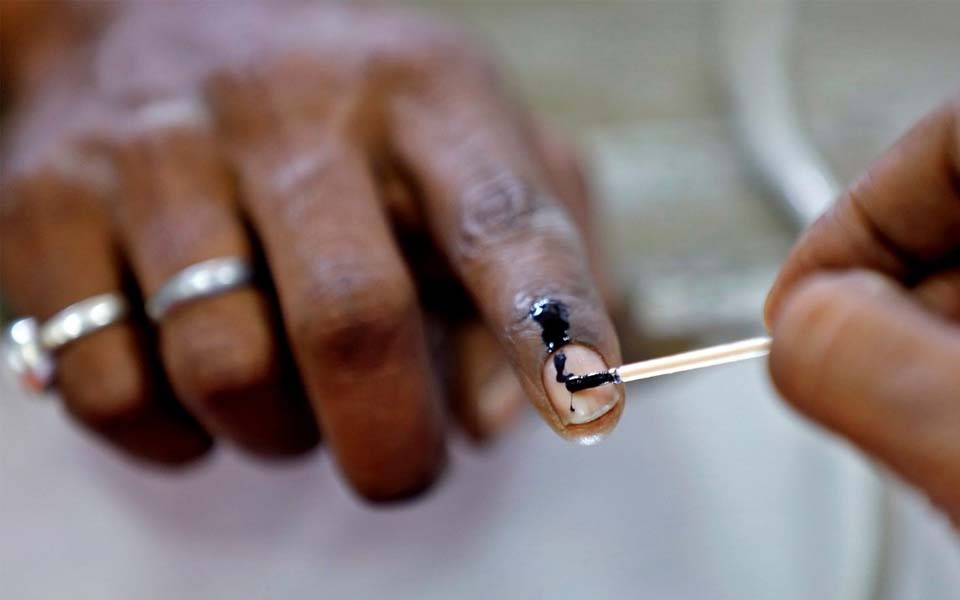
Thiruvananthapuram, Oct 22: Chief Electoral Officer Teeka Ram Meena on Tuesday confirmed there was an attempt to cast bogus vote at Manjeshwar in Kasaragod where Assembly bypoll took place on October 21.
He said a case has been registered under various sections of Indian Penal Code.
"The incident happened at Manjeswaram. A woman named Nabeesa came there for another lady who is also named Nabeesa.
Presiding officer found out that she was not a voter of that polling booth," he said.
She was handed over to the police and a case has been registered under various sections of IPC, he told reporters.
Nabeesa was arrested for impersonation as she allegedly tried to cast bogus vote in a booth.
She was later released on bail.
The bypolls to five assembly constituencies in Kerala on Monday was marred by heavy rains, especially in Ernakulam.
Voting percentage in Ernakulam constituency was just 57.90 per cent.
Political parties blamed incessant rains for such low turnout.
Manjeshwar saw 75.78 per cent voting, whereas Aroor witnessed 80.47 per cent.
Konni in Pathanamthitta district witnessed 70.07 per cent voter turnout while it was 62.66 per cent in Vattiyoorkavu.
Let the Truth be known. If you read VB and like VB, please be a VB Supporter and Help us deliver the Truth to one and all.
4 workers die after being buried under coal slurry in Jharkhand's Dhanbad
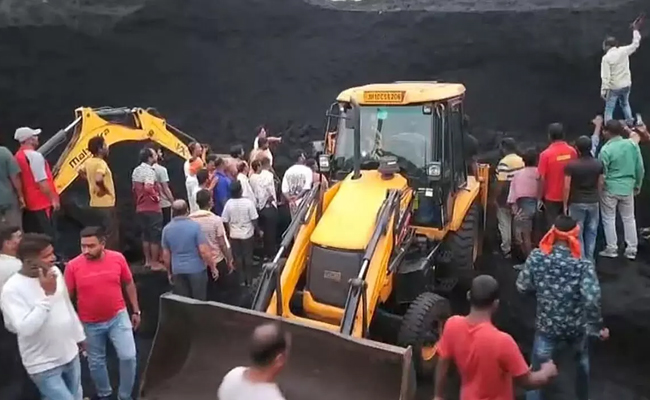
Dhanbad (Jharkhand) (PTI): At least four workers died after being buried under coal slurry in Jharkhand's Dhanbad district on Saturday, a police official said.
The incident took place at Moonidih coal washery in the command area of Bharat Coking Coal Limited (BCCL).
"Bodies of all four workers were dug out of debris during a rescue operation," Putki police station in-charge Waqar Hussain told PTI.
The incident took place when coal slurry was being loaded into trucks by workers, during which a large chunk of slurry fell and trapped several workers underneath, officials said.
The deceased have been identified as Manik Bauri, Dinesh Bauri, Deepak Bauri, and Hemlal Gope.
Meanwhile, the family members of the deceased and local villagers placed the bodies in front of the washery gate and began a protest.
They demanded compensation, jobs for dependents and action against those responsible for the incident.
Police and administration officials are trying to pacify the protesters, an official said.