Average number of Parliament sittings dropped: TMC's Derek O'Brien
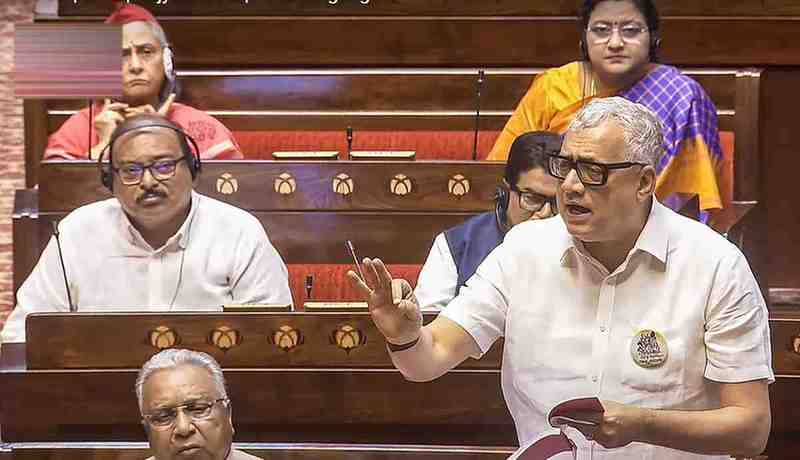
New Delhi (PTI): The average number of sittings of Parliament per session has dropped to 17 days with the dates of the Winter Session announced on Saturday, Trinamool Congress (TMC) leader Derek O'Brien said.
The Winter Session of Parliament would be held from December 1 to 19, Parliamentary Affairs Minister Kiren Rijiju announced on Saturday.
O'Brien, TMC's leader in the Rajya Sabha, claimed that the BJP-led Centre suffers from "Parliament-ophobia" and accused it of running away from a debate on the Special Intensive Revision (SIR) of the electoral rolls during the Monsoon Session. He also said a longer session would have meant the opposition demanding discussions on issues like unemployment and "throttling federalism".
"The House will actually just sit for 15 days," O'Brien said in a blogpost.
He said during the first Lok Sabha (1952), the average number of sittings per session of Parliament was 45 days. In the second and third Lok Sabhas, the average was 36 days.
During the ninth Lok Sabha (1989-1991), which lasted for only 15 months, this number came down to 14 days.
"Since 1991, the average days per Parliament session has always remained above twenty," he said.
During the 10th Lok Sabha (1991-1996) Parliament sat for an average of 26 days. In subsequent Lok Sabhas, the average number of days was 21, 25 and 22, O'Brien said.
"When the Narendra Modi government came to power in 2014, this number dropped below 20 days. During the 16th Lok Sabha (2014-2019), the average days per session was 19. During the 17th Lok Sabha (2019-2024), it was 18 days," he added.
"After today's announcement, it has dropped to an abysmal 17 days," the TMC leader said, claiming that the ruling Bharatiya Janata Party (BJP) suffers from "Parliament-ophobia".
"The reason for this government's Parliament-ophobia is obvious. The creaky coalition led by PM Narendra Modi shied away from a discussion on SIR (Silent Invisible Rigging) during the entire Monsoon Session of Parliament.
"A longer Winter Session would have made them even more uncomfortable when the Opposition demands discussions on unemployment and throttling federalism," he said.
"There is another reason why this skittish coalition wants a truncated session of Parliament, starting only in December," O'Brien said.
"It is Constitution Day on 26 November. It would have been a perfect occasion for a meaningful debate on upholding the values of the Constitution of India. But then, who cares about Parliament?" he added.
In a post on X earlier in the day, the TMC leader said, "Parliament-ophobia. PM Narendra Modi and team continue to suffer from the acute condition called Parliament-ophobia, a morbid fear of facing Parliament."
Let the Truth be known. If you read VB and like VB, please be a VB Supporter and Help us deliver the Truth to one and all.
Lebanon appoints new representative for talks with Israel, rejects linkage to Iran
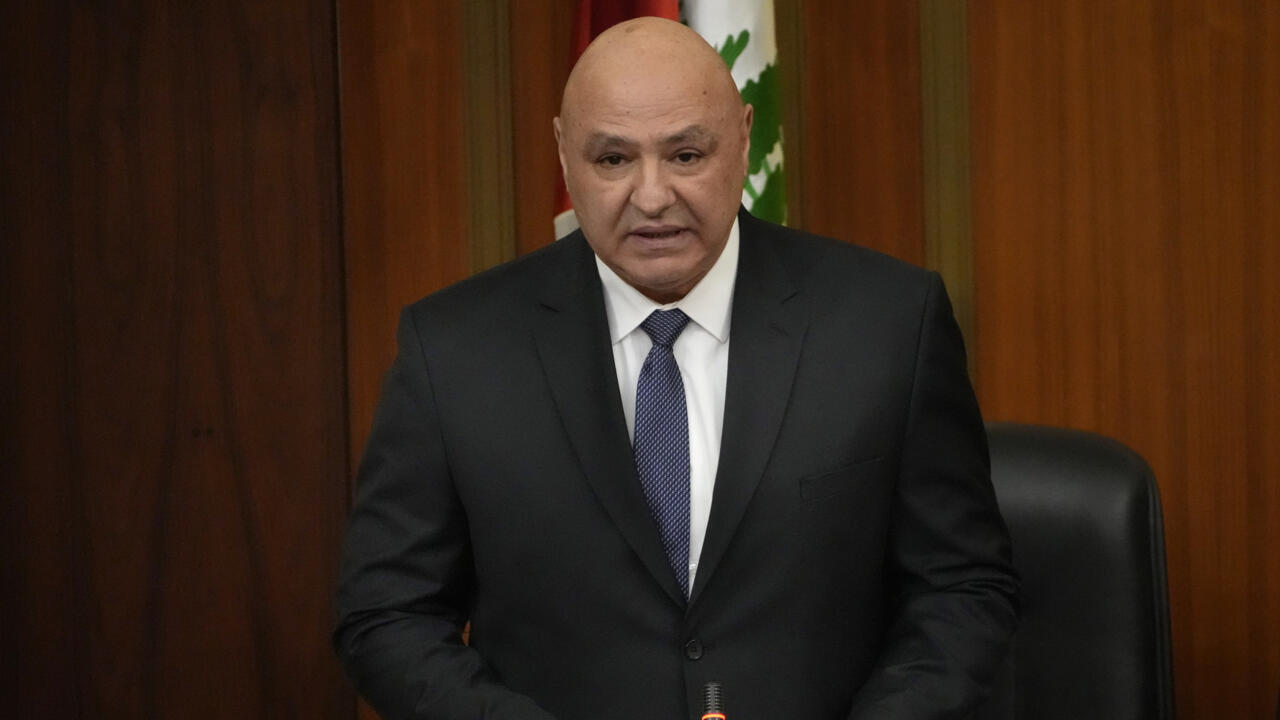
Beirut: Lebanon’s has moved to underline its independent position in ongoing regional developments, amid attempts to link the country to the broader conflict involving Iran, the United States and Israel.
President Joseph Aoun, while announcing the appointment of former US ambassador Simon Karam as Lebanon’s representative in talks with Israel, made it clear that Karam would be the sole representative for Lebanon and that there would be no substitute.
The move comes in response to what the Lebanese officials see as efforts by Iran to tie Lebanon’s situation to the wider regional conflict. Iran had indicated that there would be no ceasefire involving the US, Israel and Iran unless it also included a ceasefire in Lebanon.
Some groups, including Hezbollah and its supporters, had expressed support for linking the situations, citing concerns that the Lebanese government has limited leverage in negotiations with Israel. Lebanon is not formally a party to the conflict, and its army is considered weak.
However, others, including Prime Minister Nawaf Salam, have opposed this approach. They view Iran’s stance as an attempt to influence Lebanon’s internal affairs and see it as undermining the country’s sovereignty.
Officials backing the government’s position say the move is aimed at reaffirming Lebanon’s sovereignty and ensuring that decisions about peace and ceasefire within the country are not dictated externally.
They also see it as a safeguard, so that any breakdown in talks between the US, Israel and Iran does not automatically lead to renewed conflict in Lebanon.