'Baba Ka Dhaba' owner accuses YouTuber of misappropriation of funds; files police complaint
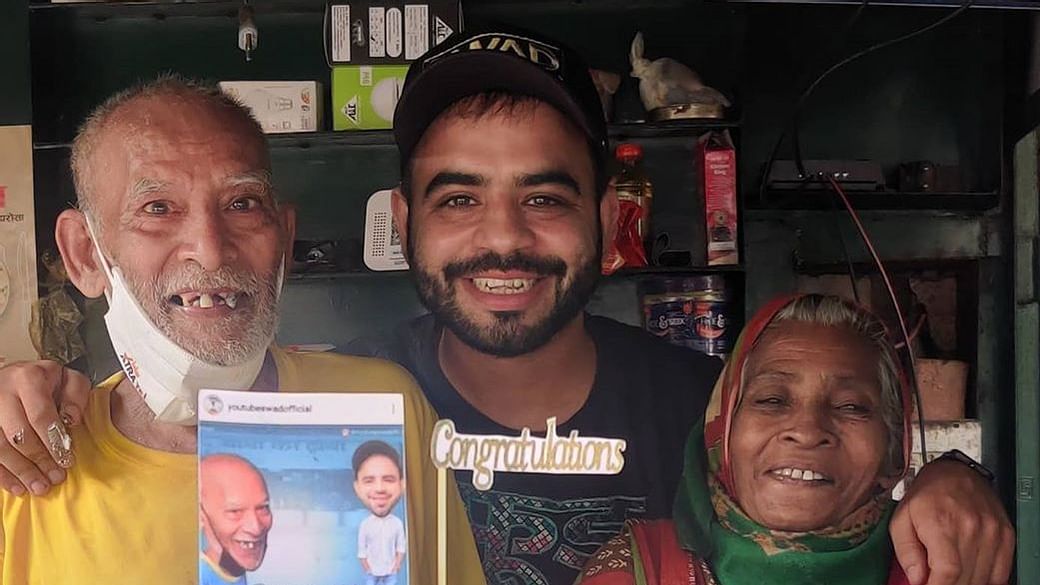
New Delhi: Kanta Prasad, the owner of popular eatery Baba Ka Dhaba' in south Delhi's Malviya Nagar, has filed a complaint against Instagram influencer Gaurav Wasan for misappropriation of funds, police said on Sunday.
Prasad (80) had shot to fame after a video of him tearfully recounting the desperation of the months since the lockdown was shared widely across social media platforms recently.
Ironically, Prasad's despair had come to light when Wasan captured the eatery owner breaking down as he talked about his struggles in a video shared on the YouTuber's social media account.
In his complaint to police, Prasad said Wasan shot his video and posted it online, and convinced the public on social media to donate money to the eatery owner.
He further alleged that Wasan "intentionally and deliberately shared only his and his family/friends bank details and mobile numbers with the donors and collected a huge amount of donation through different modes of payments i.e bank account/wallets without providing any information to the complainant".
The owner of the food joint also accused the YouTuber of not providing details of the financial transactions to him.
We received the complaint yesterday at the Malviya Nagar Police Station and the matter is being probed. No FIR has been registered yet in the case, Atul Kumar Thakur, Deputy Commissioner of Police (South), said.
After the video went viral, Baba ka Dhaba was the cynosure of many eyes across the country, including celebs from showbiz who posted appeals asking people to go there and get themselves a meal.
A day after the heartbreaking video, #Babakadhaba was trending on Twitter and the food joint was flooded with more customers than it had seen in 30 years of being in business.
Let the Truth be known. If you read VB and like VB, please be a VB Supporter and Help us deliver the Truth to one and all.
Remarks against St Francis Xavier: Right-wing speaker Gautam Khattar gets bail
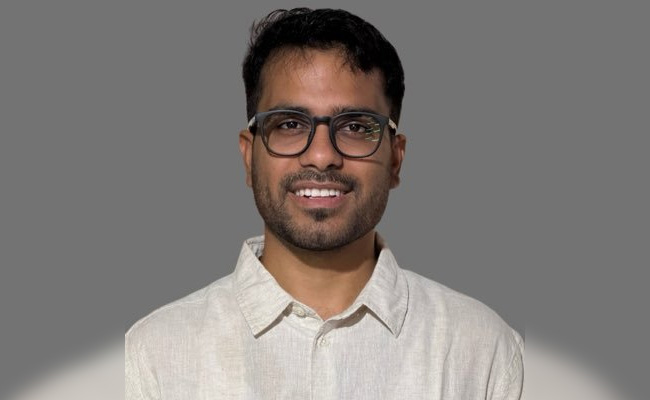
Panaji (PTI): A court in Goa on Saturday granted bail to right-wing speaker Gautam Khattar, who was arrested after he allegedly made derogatory comments against St Francis Xavier.
Judicial Magistrate First Class, Vasco, granted regular bail to Khattar, currently admitted to Goa Medical College and Hospital at Bambolim for treatment of chest pain after he was shifted from the District Hospital in Mapusa two days back.
A row erupted after a video of remarks by Khattar, the founder of Sanatan Mahasangh, at an event on April 18 in the presence of Swami Brahmeshanand, State Transport Minister Mauvin Godinho and BJP MLAs Sankulp Amonkar and Daji (Krishna) Salkar, went viral.
St Francis Xavier is revered as the patron saint of Goa.
The controversial remarks led to the Vasco Police registering an FIR against Khattar on charges of hurting religious sentiments and creating enmity between groups.
He was detained in Kullu, Himachal Pradesh, by local police. His custody was later handed over to the Goa Crime Branch, according to officials.