'Bachke re rehna re baba': Cong claims PM not going for ASEAN summit to avoid meeting Trump
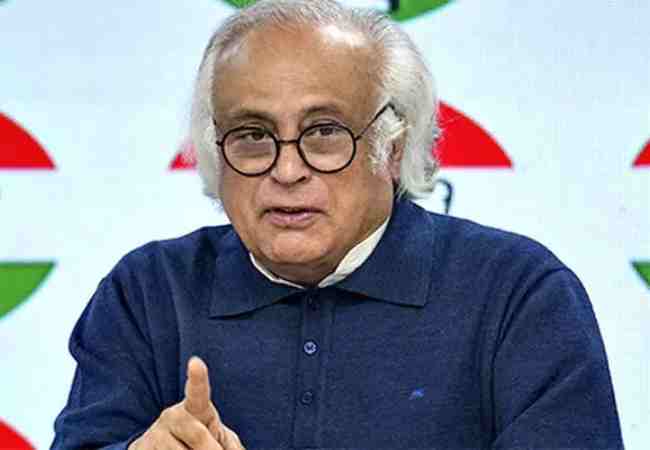
New Delhi (PTI): With Prime Minister Narendra Modi unlikely to travel to Malaysia for the ASEAN summit, the Congress on Thursday claimed that the reason for his not going was that the PM doesn't want to be cornered by US President Donald Trump.
Congress general secretary in-charge communications Jairam Ramesh said posting messages in praise of President Trump on social media is one thing, but to be seen hobnobbing physically with the man who has claimed 53 times that he stopped Operation Sindoor and has claimed five times that India has promised to stop buying oil from Russia is far too risky for him.
"For days the speculation has been - will He or won't He? Will Mr. Modi go to Kuala Lumpur for the Summit or not?" Ramesh said on X.
"Now it appears certain that the PM will not go. It means the loss of so many opportunities to hug and get photo ops with world leaders or to flaunt himself as the self-styled Vishwaguru," the Congress leader said.
"The reason why Mr. Modi is not going is simple. He just doesn't want to be cornered by President Trump who will also be there. He refused an invitation to attend the Gaza peace summit in Egypt a few weeks back, precisely for this reason," Ramesh said.
"Posting messages in praise of President Trump on social media is one thing. But to be seen hobnobbing physically with the man who has claimed 53 times that he stopped Op Sindoor and has claimed 5 times that India has promised to stop buying oil from Russia is another matter. It's far too risky for him," he said.
"The PM may well be recalling that old hit Bollywood number: Bachke re rehna re baba, bachke rehna re," Ramesh said.
Modi is unlikely to travel to Malaysia to participate in the meetings related to the ASEAN summit beginning Sunday due to scheduling issues, people familiar with the matter said.
It is learnt that External Affairs Minister S Jaishankar will represent India at the meetings.
The ASEAN (Association of Southeast Asian Nations) summit will be held in Kuala Lumpur from October 26 to 28.
There is no official word on India's level of participation at the deliberations related to the summit.
India is learnt to have conveyed to Malaysia that Jaishankar will represent India at the ASEAN meetings.
There is a possibility of PM Modi's participation through virtual mode at the ASEAN-India summit.
The prime minister has led the Indian delegations at the ASEAN-India summit and the East Asia Summit in the last few years.
Malaysia has invited Trump as well as leaders of several countries which are the dialogue partners of the ASEAN. Trump is set to travel to Kuala Lumpur on October 26 on a two-day trip.
The ASEAN-India dialogue relations started with the establishment of a sectoral partnership in 1992. This graduated to full dialogue partnership in December 1995 and summit level partnership in 2002.
The ties were elevated to a strategic partnership in 2012.
The 10 member countries of ASEAN are Indonesia, Malaysia, the Philippines, Singapore, Thailand, Brunei, Vietnam, Laos, Myanmar and Cambodia.
The two-way relations between India and ASEAN have been on a significant upswing in the last few years with focus being on boosting cooperation in the areas of trade and investment as well as security and defence.
Let the Truth be known. If you read VB and like VB, please be a VB Supporter and Help us deliver the Truth to one and all.
Trump says he ‘hasn’t even thought about’ continuing Iran ceasefire
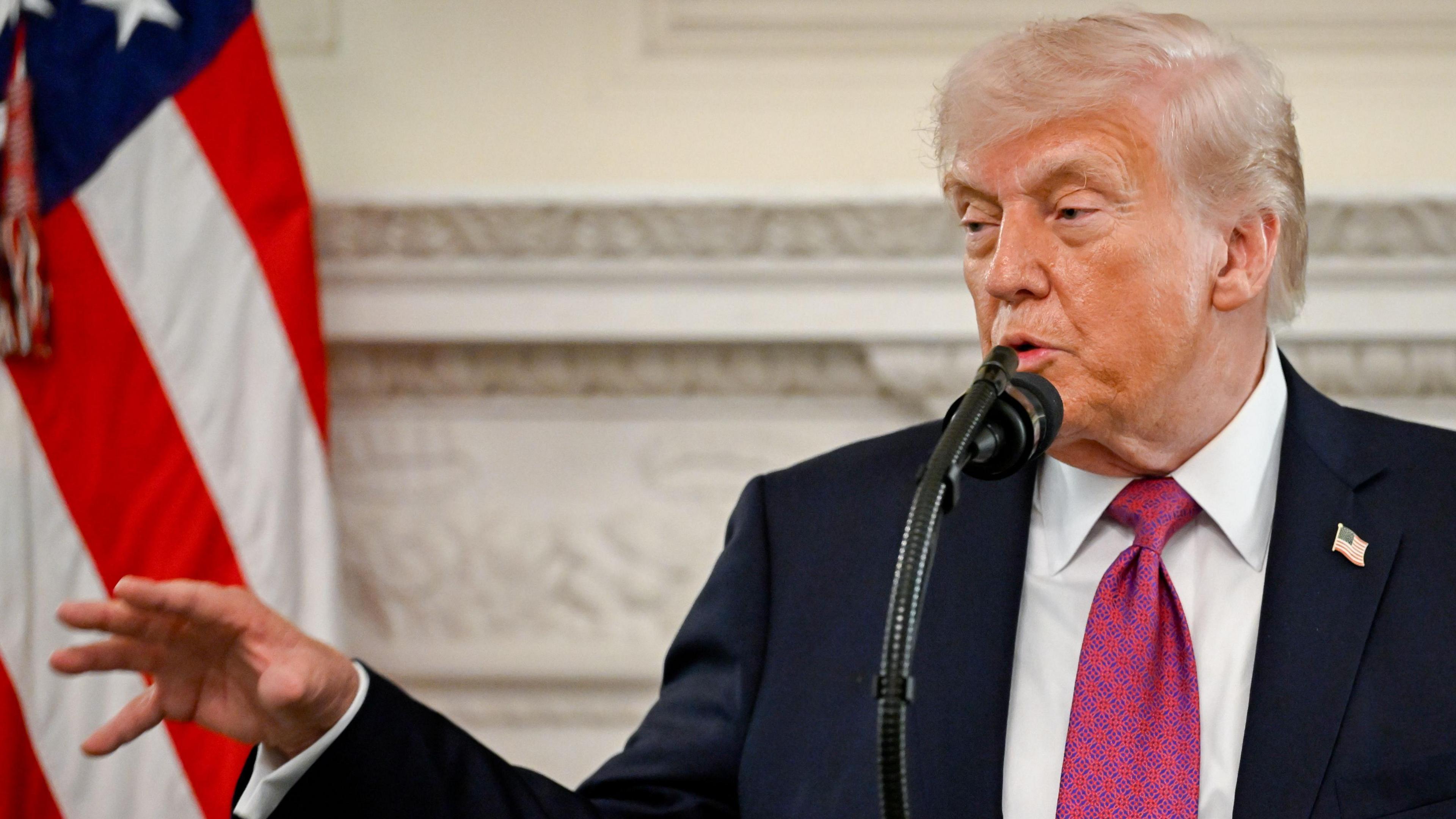
Washington: US President Donald Trump has said he has not yet considered whether he would continue the ceasefire involving Iran, while also claiming the United States holds the advantage in negotiations.
Speaking to reporters, Trump said he was prepared to make a deal with “whoever is running the show” in Iran.
“They are fighting with each other, there’s tremendous infighting. They’re probably fighting for leadership in many cases. I think they’re fighting not to be leader because we knocked out two levels of leaders,” he said.
Trump added, “When they want they can call me. We have all the cards, we’ve won everything.”
Referring to ongoing negotiations, he said, “They gave us a paper that should’ve been better. And, interestingly, immediately when I cancelled it [envoy trip to Pakistan], within 10 minutes we got a new paper that was much better.”
“We talked about they will not have a nuclear weapon, very simple … They offered a lot, but not enough,” he added.
When asked whether he would continue the ceasefire, Trump replied, “I haven’t even thought about it.”
The remarks come as uncertainty remains over the future of the temporary truce and broader negotiations between Washington and Tehran.