Ban on entry of polluting commercial vehicles into Delhi from Nov 1
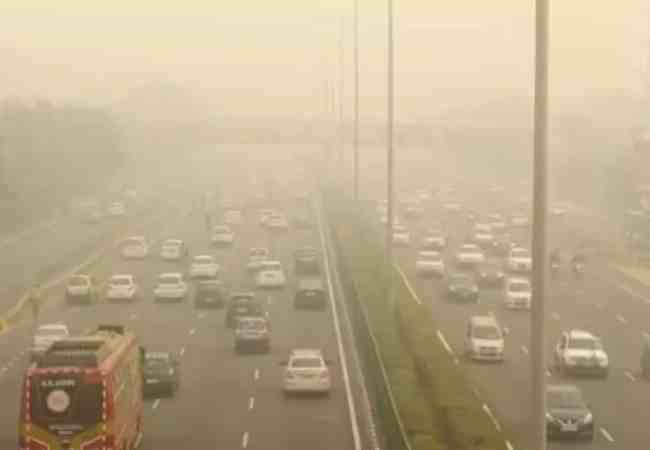
New Delhi (PTI): The Commission for Air Quality Management (CAQM) on Friday approved a sweeping ban on the entry of polluting commercial vehicles into Delhi from November 1 and warned of strict action against officials failing to stop stubble burning in NCR states.
Chairing the 25th meeting of the Commission, CAQM Chairperson Rajesh Verma ratified directions empowering district authorities in Punjab, Haryana, Delhi, and NCR regions of Uttar Pradesh and Rajasthan to initiate legal proceedings against officials showing inaction on stubble burning.
In line with a Supreme Court order, CAQM decided that only BS-VI, CNG, LNG, and electric goods vehicles will be allowed to enter Delhi from November 1.
BS-IV light, medium, and heavy goods vehicles registered in Delhi will be permitted till October 31, 2026, as a transitional measure.
Enforcement agencies have been told to ensure strict checks at all border entry points.
CAQM also put on hold its earlier directive to remove 10-year-old diesel and 15-year-old petrol vehicles in NCR after the court barred coercive steps against such owners.
The meeting reviewed winter action plans of Delhi and NCR states and asked Punjab, Haryana and Uttar Pradesh to intensify surveillance and ensure effective crop residue management.
The Commission took note of the Supreme Court's October 15 order allowing sale of green firecrackers only at designated NCR locations between October 18 and 20 and restricting their use to specific hours on Diwali eve and day.
District teams have been directed to ensure strict enforcement.
CPCB and state pollution boards will monitor air quality from October 14 to 25 and collect sand and water samples from areas with heavy firecracker use.
All agencies were told to regularly review air pollution control measures and ensure strict implementation under the Graded Response Action Plan.
Let the Truth be known. If you read VB and like VB, please be a VB Supporter and Help us deliver the Truth to one and all.
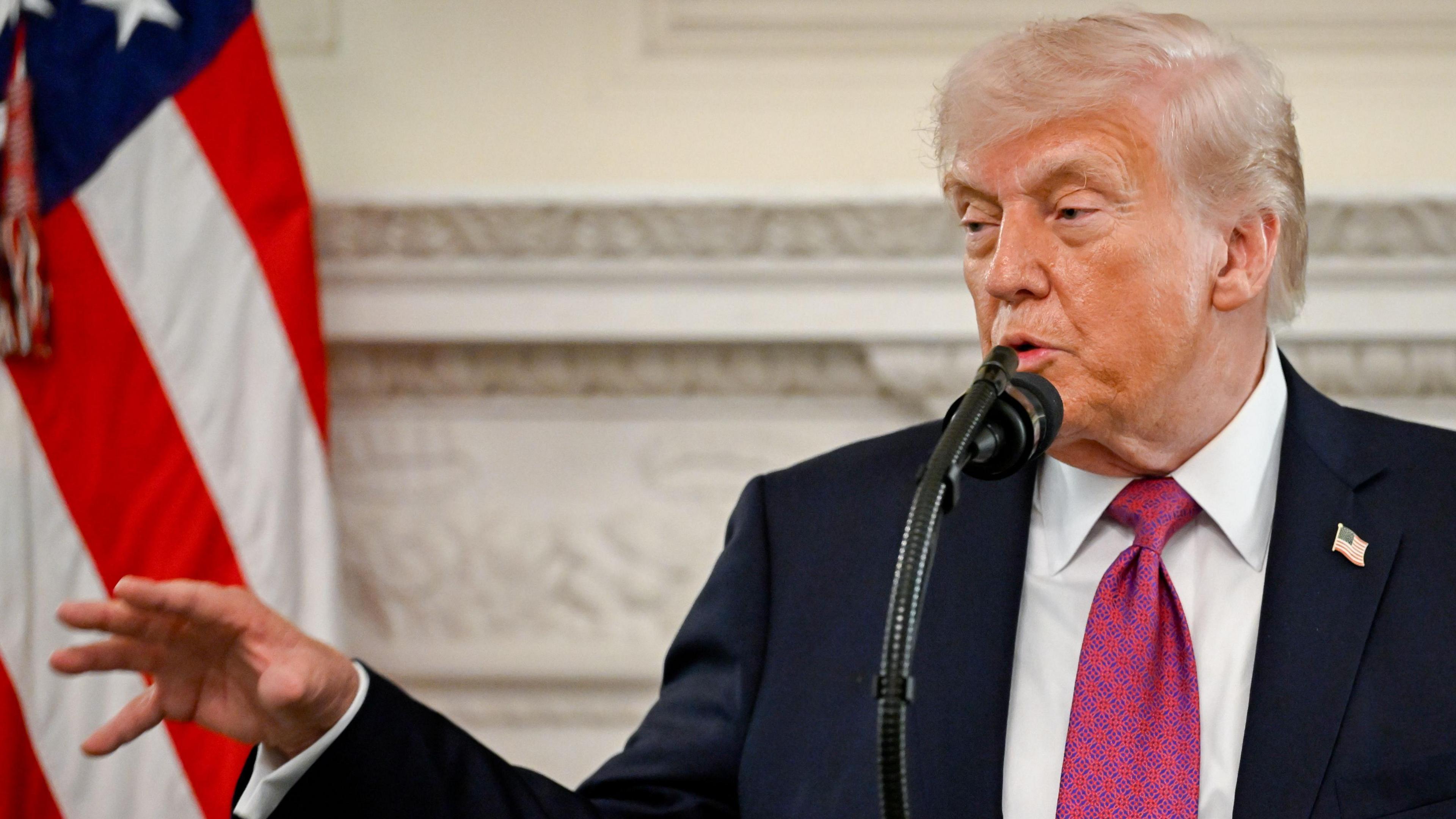
Trump says suspect was armed with multiple weapons at WH correspondents' dinner
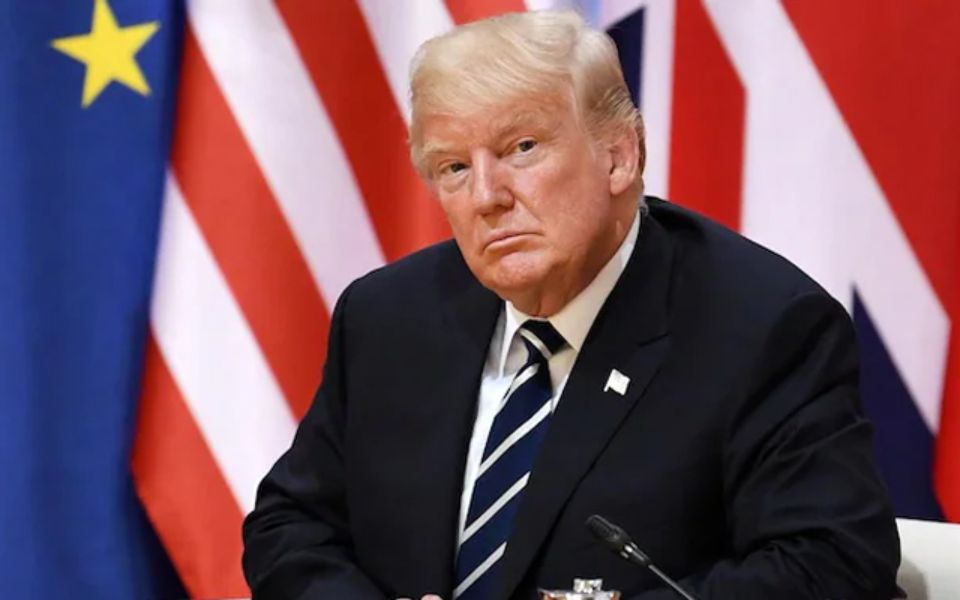
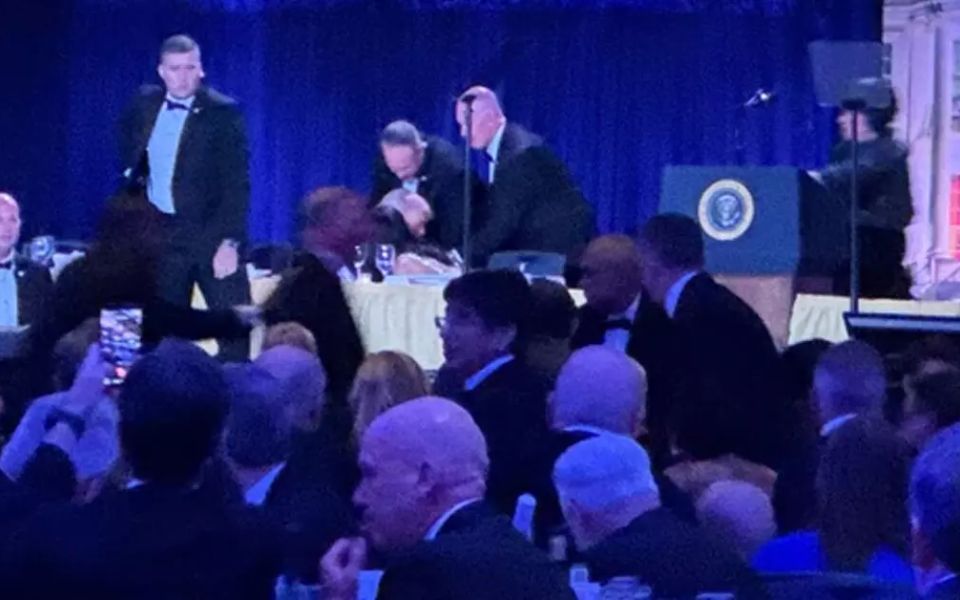
Washington (PTI): President Donald Trump is addressing reporters at the White House after he and other top leaders of the United States were evacuated from an annual dinner of White House correspondents on Saturday night after a shooting incident outside the ballroom.
Trump said the suspect was armed with multiple weapons before stopped by Secret Service. One officer was shot, but he was protected by a bulletproof vest.
“He was shot from very close distance with a very powerful gun, and the vest did the job,” Trump said.