Ban PETA, Amul vice-chairman urges PM, alleging conspiracy
This report was first published in indianexpress.com and has been posted here without any alterations or editing. To read the original report, CLICK HERE
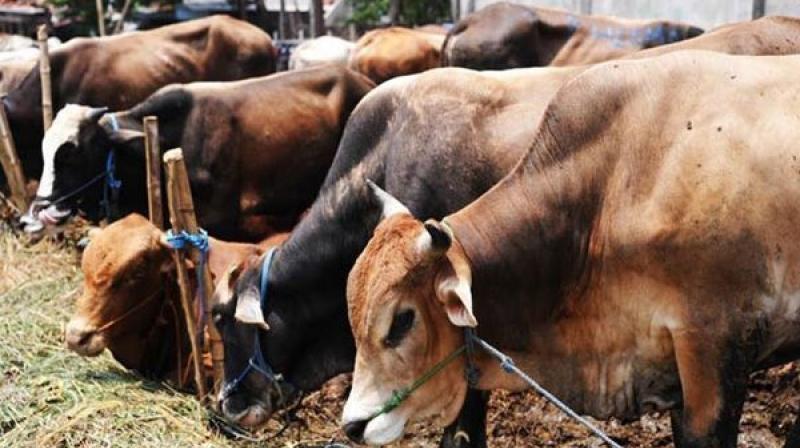
Three days after People for the Ethical Treatment of Animals (PETA) suggested Amul to capitalise on what it called India’s and indeed the whole world’s readiness for vegan milk and food, Amul vice-chairman Valamji Humbal on Tuesday urged Prime Minister Narendra Modi to ban the NGO saying it was attempting to ruin the livelihood of 10 crore people by tarnishing the image of Indian dairy sector.
“Dairy sector is an important contributor to the GDP of India but the GDP can be affected adversely by misinformation spread by opportunistic elements like this NGO. Organisations like this are part of the conspiracy to render unemployed the milk producers of India,” Humbal said in a release on Tuesday.
“To ensure that such organisations stop their activities in India, milk producers of Gujarat urge Prime Minister Narendra Modi to initiate necessary action to impose a ban on organisations which are engaged in condemnable activity of tarnishing the image of dairy industry through misinformation campaign and then harm them by encouraging plants of multination companies producing synthetic milk,” he added.
The move comes three days after the global NGO working for animal rights urged Amul, the largest dairy organisation of India, to take advantage of its position to exploit market for plant-based milk and food. Humbal insisted that 10 crore Indians don’t mete out any cruelty to their milch animals.
“Indian culture positions livestock as part of their family and raise them as a member of the family. Therefore, the question of cruelty does not arise at all… This entire episode is misinformation campaign and an attempt to break the Indian dairy industry, which is self-sufficient and thereby saves the country from the trouble of importing milk and milk products, and render unemployed 10 crore people who are relying on it. The move appears to have been prompted by various foreign companies,” said Humbal who is also the president of Sarhad Dairy, a member union of Gujarat Cooperative Milk Marketing Federation (GCMMF).
GCMMF markets dairy products under brand name Amul. “We urge around 40 lakh dairy farmers associated with Amul and around 15 lakh others to write to the PM seeking a ban on PETA. We shall do the same at our levels also,” he added.
Reacting to Humbal, PETA India’s CEO Dr Manilal Valliyate in a statement issued late Tuesday said, “Amul has shown itself to be a bully, unable to appreciate the public’s concern for animals, and a business that apparently cannot change despite changing consumer trends. But no amount of bullying is going to change the fact: vegan eating is taking the world by storm”.
He added how consumers were opting for plant milks and vegan foods because “they do not support cruelties like male calves routinely being abandoned or killed since they cannot produce milk, want to experience better health, and are concerned about dairy’s contribution to greenhouse gas, water wastage and other environmental concerns.”
“India is a nation of animal lovers, and now we can be a world leader in compassionate vegan foods too”, the statement said.
Courtesy: indianexpress.com
Let the Truth be known. If you read VB and like VB, please be a VB Supporter and Help us deliver the Truth to one and all.
Sujit Nair raises concerns over speculation of DMK-AIADMK understanding to block TVK
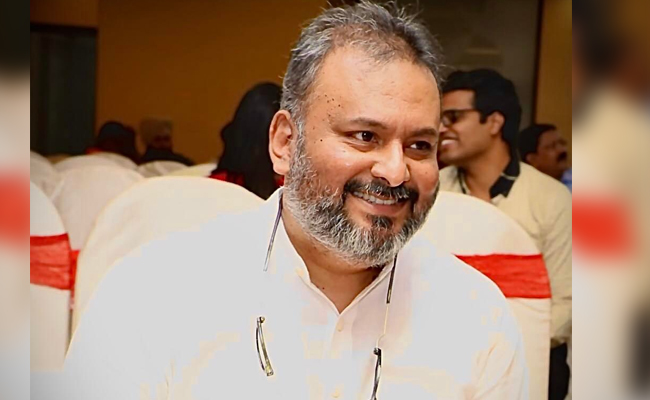
Chennai: Journalist and political commentator Sujit Nair has expressed concern over speculation that the Dravida Munnetra Kazhagam and the All India Anna Dravida Munnetra Kazhagam could explore a post-poll understanding to prevent Vijay-led Tamilaga Vettri Kazhagam from forming the government in Tamil Nadu.
In a social media post, Sujit Nair said the election verdict in Tamil Nadu reflected a clear public demand for political change and argued that the mandate should be respected irrespective of political preferences.
Referring to reports and political discussions surrounding a possible understanding between the DMK and AIADMK, he said he hoped such developments remained only speculative conversations and did not turn into reality.
Nair stated that if such an alliance were to take shape, it would raise serious questions about ideological politics in the country. He said TVK had emerged through a democratic electoral process and that the legitimacy to govern in a parliamentary democracy comes from the people’s verdict.
According to him, attempts to prevent an electoral winner from forming the government through unexpected political arrangements may be constitutionally valid, but many people could view them as politically opportunistic.
He further said that such a move could particularly affect the political image of the DMK, which has historically projected itself around ideology, social justice and opposition politics. Nair said that in ideological terms, the DMK appeared closer to TVK than to the AIADMK, and joining hands with its long-time political rival only to remain in power could weaken its broader political narrative.
He added that the same questions would apply to the AIADMK as well, as the party had spent decades positioning itself against the DMK and such an arrangement could create discomfort among its cadre and supporters.
Drawing a comparison with Maharashtra politics in 2019, Nair said he had expressed similar views when the Shiv Sena formed an alliance with the Indian National Congress and the Nationalist Congress Party after the Assembly elections.
He said post-poll alliances between long-standing political rivals often create a public perception that ideology and electoral mandates become secondary when political power equations come into play.
Nair also said such developments increase public cynicism towards politics and reinforce the belief among voters that ideology is often sidelined after elections.
He maintained that the Tamil Nadu verdict was emphatic and said respecting both the spirit and substance of the mandate was important for the credibility of democratic politics.