Batteries, blades among 56 metal objects removed from UP teen's stomach; patient dies post surgery
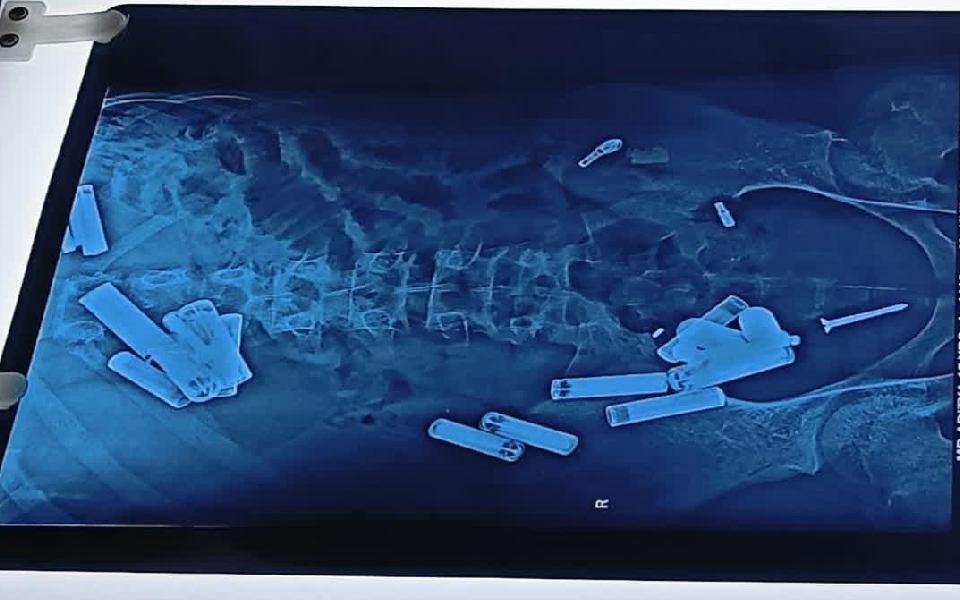
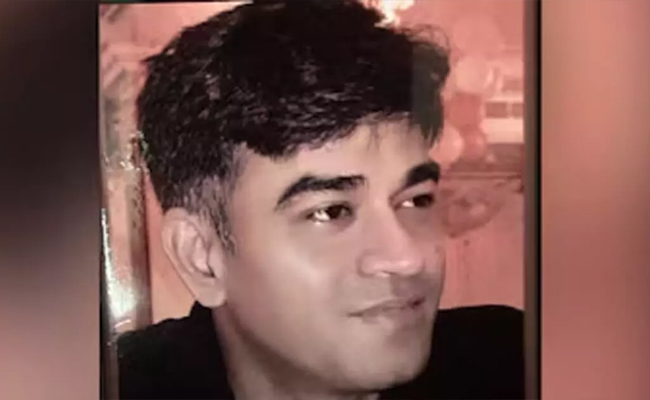
Hathras (UP), Nov 3: A 15-year-old boy from Uttar Pradesh's Hathras died a day after a major surgery was performed on him at a Delhi hospital to remove an astonishing 56 objects such as watch batteries, blades, nails and other metal fragments from his stomach.
The discovery of multiple foreign objects inside the body of Aditya Sharma, a Class 9 student, has left the medical community perplexed and his family shaken, the boy's father Sanchit Sharma, a Hathras-based medical representative, told PTI.
The boy died a day after the surgery at Safdarjung Hospital as his heart rate spiked and his BP dropped alarmingly, his father said.
The foreign objects inside Aditya's stomach were detected during multiple medical check-ups in different hospitals in Uttar Pradesh, Jaipur, and Delhi, Sanchit said.
He said his family's ordeal started after his son complained of severe stomach pain and breathing difficulties.
Sanchit said Aditya was initially taken to a local hospital in Hathras from where on medical advice he was subsequently moved to a Jaipur hospital, which discharged the patient after a brief treatment.
However, when the boy's symptoms resurfaced, his family took him to a hospital in Aligarh where a surgery was performed on him to ease his breathing discomfort.
A post-surgery ultrasound at the Aligarh hospital on October 26 revealed presence of about 19 items inside Aditya's body, following which doctors referred him to a more advanced medical facility in Noida. Here, another scan revealed presence of about 56 metal fragments, which led to the family moving the boy to Delhi's Safdarjung Hospital where a major surgery was performed on him on October 27.
"Doctors said that about 56 foreign objects were removed from my son's body after the surgery at this Delhi hospital. Subsequently, three more foreign objects were removed, which surprised even the doctors who conceded that they were clueless about how this was medically possible," he said.
"I must say that the doctors did try their best but perhaps destiny willed otherwise. My son died a day after the surgery at the Delhi hospital as his heart rate spiked and his BP dropped alarmingly," Sanchit said.
Sanchit admitted that Aditya's case left even the doctors perplexed, as there were no injury signs in his mouth or throat to suggest if the minor boy ingested the items deliberately or accidentally.
He said: "I lost my only son and am now left with my daughter, who, like the rest of us, is shaken by this terrible, unexplained, and mysterious tragedy to have hit us out of nowhere."
He said Aditya's unexplained death has raised many questions, leaving both his family and medical professionals puzzled.
The family resides at Ratangarbha colony in Hathras.
No comment was available from the Safdarjung Hospital on the matter.
Let the Truth be known. If you read VB and like VB, please be a VB Supporter and Help us deliver the Truth to one and all.
Sujit Nair raises concerns over speculation of DMK-AIADMK understanding to block TVK
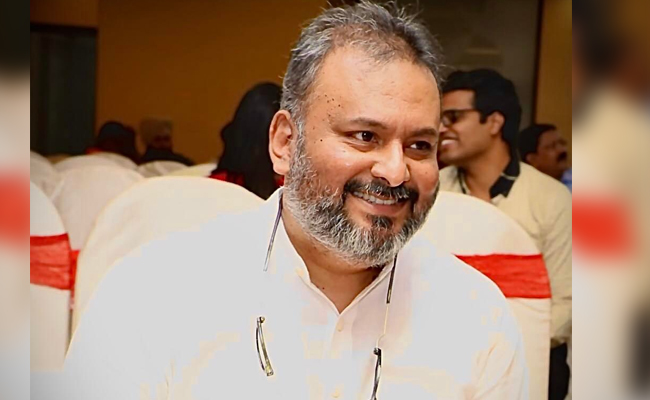
Chennai: Journalist and political commentator Sujit Nair has expressed concern over speculation that the Dravida Munnetra Kazhagam and the All India Anna Dravida Munnetra Kazhagam could explore a post-poll understanding to prevent Vijay-led Tamilaga Vettri Kazhagam from forming the government in Tamil Nadu.
In a social media post, Sujit Nair said the election verdict in Tamil Nadu reflected a clear public demand for political change and argued that the mandate should be respected irrespective of political preferences.
Referring to reports and political discussions surrounding a possible understanding between the DMK and AIADMK, he said he hoped such developments remained only speculative conversations and did not turn into reality.
Nair stated that if such an alliance were to take shape, it would raise serious questions about ideological politics in the country. He said TVK had emerged through a democratic electoral process and that the legitimacy to govern in a parliamentary democracy comes from the people’s verdict.
According to him, attempts to prevent an electoral winner from forming the government through unexpected political arrangements may be constitutionally valid, but many people could view them as politically opportunistic.
He further said that such a move could particularly affect the political image of the DMK, which has historically projected itself around ideology, social justice and opposition politics. Nair said that in ideological terms, the DMK appeared closer to TVK than to the AIADMK, and joining hands with its long-time political rival only to remain in power could weaken its broader political narrative.
He added that the same questions would apply to the AIADMK as well, as the party had spent decades positioning itself against the DMK and such an arrangement could create discomfort among its cadre and supporters.
Drawing a comparison with Maharashtra politics in 2019, Nair said he had expressed similar views when the Shiv Sena formed an alliance with the Indian National Congress and the Nationalist Congress Party after the Assembly elections.
He said post-poll alliances between long-standing political rivals often create a public perception that ideology and electoral mandates become secondary when political power equations come into play.
Nair also said such developments increase public cynicism towards politics and reinforce the belief among voters that ideology is often sidelined after elections.
He maintained that the Tamil Nadu verdict was emphatic and said respecting both the spirit and substance of the mandate was important for the credibility of democratic politics.