Beef up healthcare services in HP: Jai Ram Thakur advises state govt after ruckus at hospital
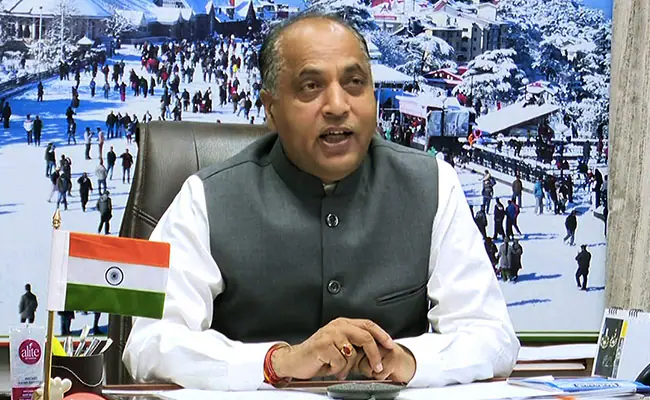
Shimla (PTI): Leader of Opposition Jai Ram Thakur on Tuesday said the state government should take concrete steps to prevent overcrowding at hospitals, enhance security arrangements, reduce excessive workload and curb administrative negligence, which he held responsible for the assault of a patient by a doctor at a prominent hospital here.
In a statement issued here, Thakur said that this incident is a serious warning to the health department and the state government.
His statement came a day after a junior resident doctor allegedly assaulted a patient, throwing multiple punches, following an argument at the Indira Gandhi Medical College (IGMC), sparking a protest with the victim's relatives demanding that the doctor be handed over to them.
A video of the shocking incident also surfaced on social media.
The leader of the opposition said the government should take concrete steps instead of making statements.
Expressing concern over the deteriorating condition of the healthcare sector in Himachal Pradesh, Thakur said today, the people are suffering due to this collapse in the sector.
"The state government should prioritise healthcare services and should immediately fill vacant posts in the sector. They should also strengthen security arrangements in hospitals and ensure uninterrupted supply of medicines and medical equipment in hospitals,” he added.
He further said that the state government should work honestly to ensure that the benefits of central schemes are provided to every person in Himachal Pradesh.
"Schemes such as Himcare and Ayushman Bharat should be ensured for the people, as they are very beneficial for poor and needy families as well as for the middle-class people. However, due to negligence and mismanagement of the government in implementing them, people are unable to avail the benefits,” Thakur said.
He also alleged that, despite the budget being allocated by the Centre for these schemes, patients are unable to avail the basic facilities.
The situation is such that even many essential medicines are not available for patients, he added.
Let the Truth be known. If you read VB and like VB, please be a VB Supporter and Help us deliver the Truth to one and all.
Sengottaiyan secures historic 10th victory in Gobichettipalayam assembly constituency
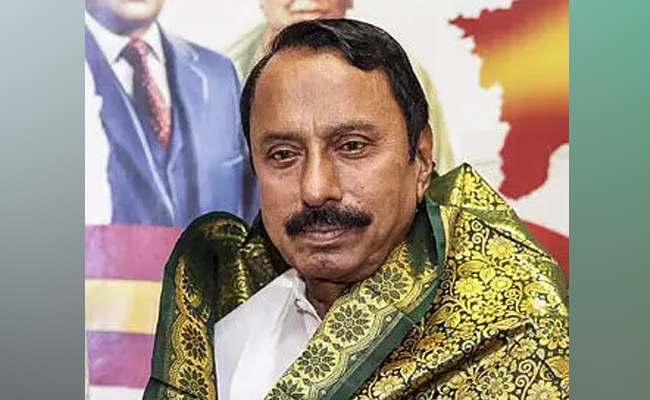
Gobichettipalayam (Tamil Nadu) (PTI): In a historic 10th win, veteran leader K A Sengottaiyan clinched the Gobichettipalayam seat in the 2026 Assembly elections.
Contesting for the first time under actor Vijay’s TVK, the 78-year-old secured approximately 71,380 votes, defeating DMK’s N Nallasivam by a margin of nearly 13,000 votes.
This win marks Sengottaiyan’s 10th consecutive victory in the constituency, cementing his status as an immovable force in the region despite his high-profile exit from the AIADMK in late 2025.
His success was a cornerstone for the TVK, which emerged as a formidable force across the state. Supporters celebrated the win as a testament to Sengottaiyan’s personal influence, which successfully transitioned from his former Dravidian home to the newly formed TVK.