BEST connects Mumbai Metro with BKC hub
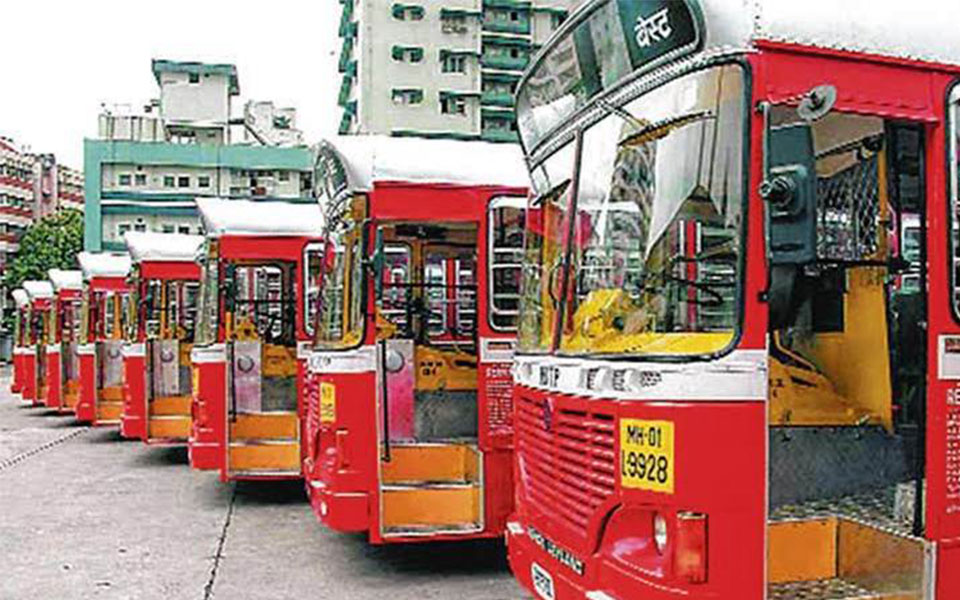
Mumbai, June 26: In a major initiative, the BEST public transport has launched new bus services connecting Mumbai Metro One's WEH station with the business hub of Bandra Kurla Complex, an official said here on Tuesday.
The new air-conditioned bus service between Western Express Highway station and BKC offer point-to-point connectivity to and fro, as an improvement in the last mile connectivity.
The new feeder route of BEST which started from Monday with 40-minutes intervals, will ensure smooth commuter movement from the Reliance Infra's Mumbai Metro One stations to various commercial complexes in the city.
It ensures that once a commuter steps out of a Metro train, he or she can board an AC bus to reach the bustling commercial centres in the BKC area conveniently and return between 8 a.m.- 5.20 p.m. daily, with the BEST buses making 23 round trips.
The BEST No. 16 will connect key junctions like domestic airport, Vakola Police Station, Kala Nagar and offers pickup-drop at commercial important points like Family Court, RBI, IT Building, ICICI Bank, Diamond Bourse, CitiBank and BKC Telephone Exchange, the termination point.
This service is expected to motivate more commuters give up their own cars and adopt a comfortable travel by public transport, besides affording a cost-effective option of between Rs 21 to Rs 53, compared to private taxi services, the official said.
Since the WEH Metro station attracts average 23,500 commuters daily, the company is promoting the BEST services in a big way on traditional and social media platforms.
Let the Truth be known. If you read VB and like VB, please be a VB Supporter and Help us deliver the Truth to one and all.
AIITA welcomes Karnataka’s ban on obscene songs in school events
Bhatkal: The Karnataka unit of the All India Ideal Teachers Association (AIITA) has welcomed the Karnataka government’s decision to strictly ban school children from dancing to obscene songs during educational and cultural programmes in government, aided, and private schools across the state.
AIITA Karnataka State President M. R. Manvi congratulated the government for taking what he termed an important step to preserve the sanctity of education.
“Such decisions to safeguard the dignity of school children and uphold the values of education are the need of the hour. This rule should not be limited to government schools alone but must be strictly implemented in all private educational institutions as well,” he said.
He further urged the government to address other concerns within school programmes.
“The government should not only prohibit obscene dances in the name of school anniversaries, but also ensure that plays and dialogues that incite religious hatred are avoided. Schools should be centres of harmony, not platforms for spreading hatred,” he added.
According to a recent circular issued by the Department of School Education and Literacy, obscene dances are adversely affecting the mental health and moral values of students.
In this regard, schools have been advised to use songs that promote nationalism, positive thinking, the greatness of Kannada culture, and value-based traditions instead of inappropriate content during programmes.
The circular also emphasises that students should be dressed in decent attire.
AIITA also backed the department’s warning that disciplinary action would be taken against head teachers if such guidelines are violated. The association has further demanded that district Deputy Directors of Public Instruction strictly monitor the implementation of these rules.