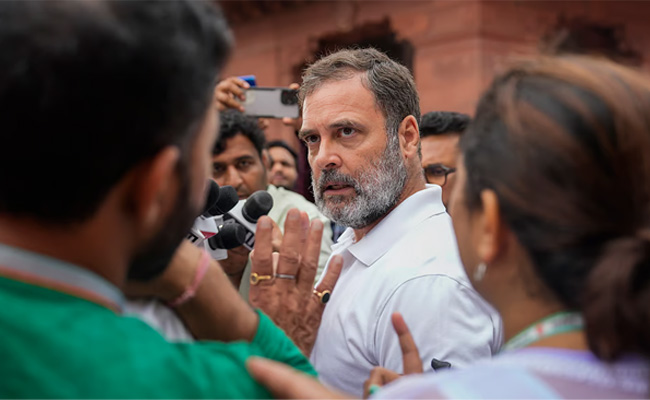
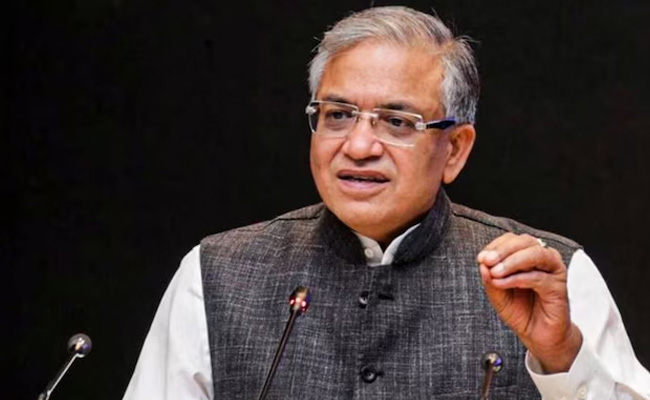
Bihar polls: 60 pc voting till 5 pm
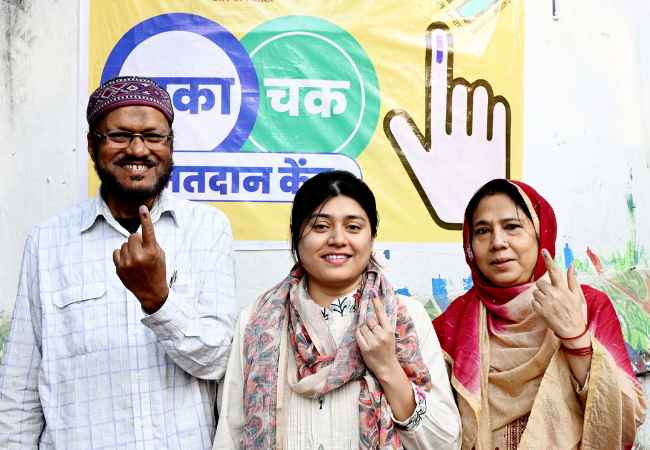
Patna (PTI): Amid stray incidents of violence, including an attack on Deputy Chief Minister Vijay Kumar Sinha's vehicle, 60.18 per cent of 3.75 crore voters exercised their franchise till 5 pm on Thursday across 121 constituencies in the first phase of Bihar assembly elections.
Begusarai district recorded the highest polling percentage so far at 67.32, followed by Samastipur (66.65) and Madhepura (65.74).
Stakes are high for both the ruling NDA and the opposition INDIA bloc in the first phase of the assembly elections, with several key leaders, including RJD’s Tejashwi Yadav, Deputy Chief Ministers Samrat Choudhary and Vijay Kumar Sinha, and several ministers, in the fray.
The ruling NDA, which has been in power in the state for 20 years, except for a few brief interruptions, is banking on its image of "sushasan" (good governance) in contrast to the alleged "jungle raj" that marked the 15 years old rule of the RJD-Congress combine.
Prime Minister Narendra Modi, who addressed rallies in a couple of constituencies going to polls in the second and final phase, felt that the noticeably high number of women turning up to vote was a good sign for the NDA.
"Mothers, daughters and sisters have been the worst sufferers of 'jungle raj'. Today, they seem to have put up a fortress around polling booths to prevent the return of 'jungle raj'", Modi had remarked.
The NDA hopes that Chief Minister Nitish Kumar’s record, along with recent welfare measures such as 125 units of free power, Rs 10,000 cash transfers to over one crore women, and an increase in social security pensions, will help counter anti-incumbency.
However, the opposition dismissed the boasts of the BJP-led coalition and hoped that people would vote for a change.
RJD president Lalu Prasad, who hopes that his younger son and heir apparent Tejashwi Yadav will form the next government, came out with an evocative social media post, drawing the analogy of a "roti".
"If a roti is not flipped on a tawa (pan), it gets burnt. Twenty years is a long time. A Tejashwi government is essential to build a new Bihar", Prasad wrote on X.
There have also been allegations and counter-allegations from both sides on polling day.
Deputy CM Sinha, who is seeking a fourth consecutive term from Lakhisarai, claimed that one of the cars in his convoy was attacked by RJD supporters trying to “intimidate” voters belonging to extremely backward classes.
On the other hand, the RJD alleged on its X handle that voting had been "deliberately slowed down" in areas where the INDIA bloc was strongly placed, a charge promptly rejected by the Election Commission.
A notable feature of this election has been the presence of Prashant Kishor’s Jan Suraaj Party, which the former political strategist believes could emerge as the proverbial dark horse.
Kishor has caught public imagination with his promise of making the state "among the top-ranking ones in the country", and to this end, he has not shied away from making a few bold statements, including his public announcement that he intends to scrap the prohibition law, which has been bleeding the state dry.
Polling was being held across 18 districts, with Muzaffarpur and Gopalganj reporting turnouts above 58 per cent till 3 pm, while in state capital Patna it was 48.69 per cent.
The low turnout in Patna was largely attributed to urban constituencies such as Bankipur (34.80 per cent), Digha (31.89 per cent) and Kumhrar (37.73 per cent), where electors are known to be unenthusiastic.
Let the Truth be known. If you read VB and like VB, please be a VB Supporter and Help us deliver the Truth to one and all.
Lebanon appoints new representative for talks with Israel, rejects linkage to Iran
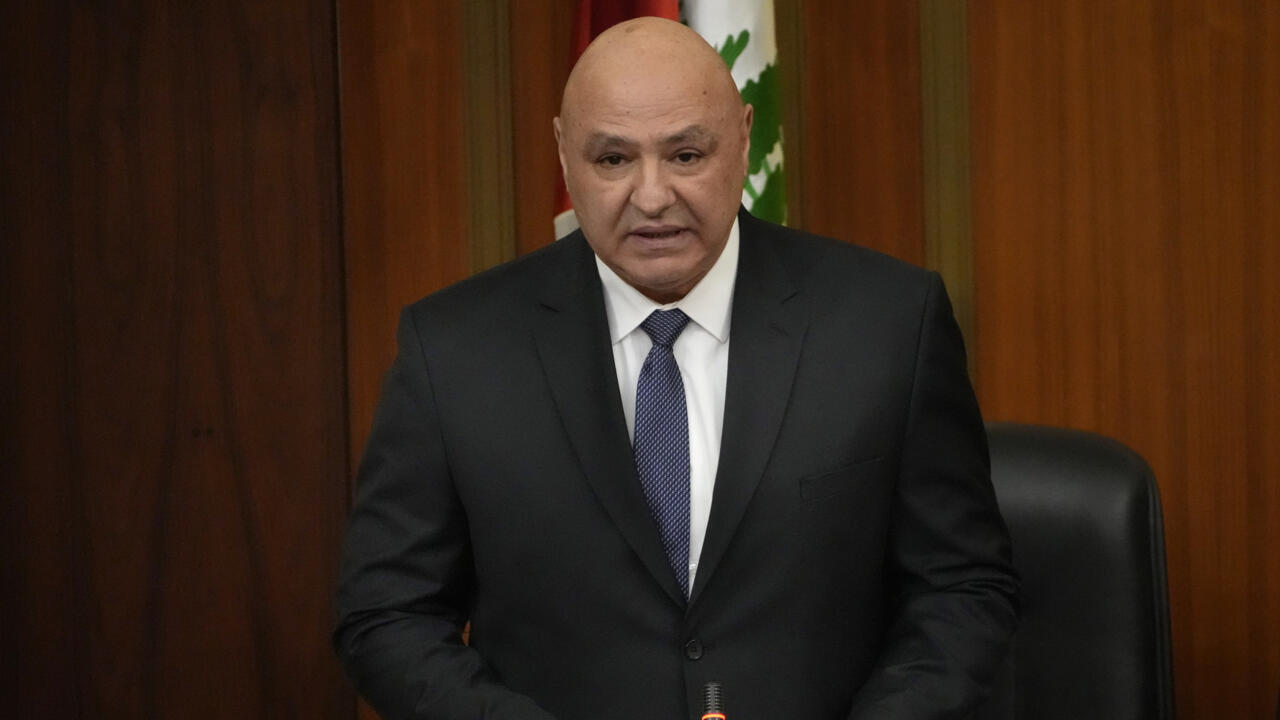
Beirut: Lebanon’s has moved to underline its independent position in ongoing regional developments, amid attempts to link the country to the broader conflict involving Iran, the United States and Israel.
President Joseph Aoun, while announcing the appointment of former US ambassador Simon Karam as Lebanon’s representative in talks with Israel, made it clear that Karam would be the sole representative for Lebanon and that there would be no substitute.
The move comes in response to what the Lebanese officials see as efforts by Iran to tie Lebanon’s situation to the wider regional conflict. Iran had indicated that there would be no ceasefire involving the US, Israel and Iran unless it also included a ceasefire in Lebanon.
Some groups, including Hezbollah and its supporters, had expressed support for linking the situations, citing concerns that the Lebanese government has limited leverage in negotiations with Israel. Lebanon is not formally a party to the conflict, and its army is considered weak.
However, others, including Prime Minister Nawaf Salam, have opposed this approach. They view Iran’s stance as an attempt to influence Lebanon’s internal affairs and see it as undermining the country’s sovereignty.
Officials backing the government’s position say the move is aimed at reaffirming Lebanon’s sovereignty and ensuring that decisions about peace and ceasefire within the country are not dictated externally.
They also see it as a safeguard, so that any breakdown in talks between the US, Israel and Iran does not automatically lead to renewed conflict in Lebanon.